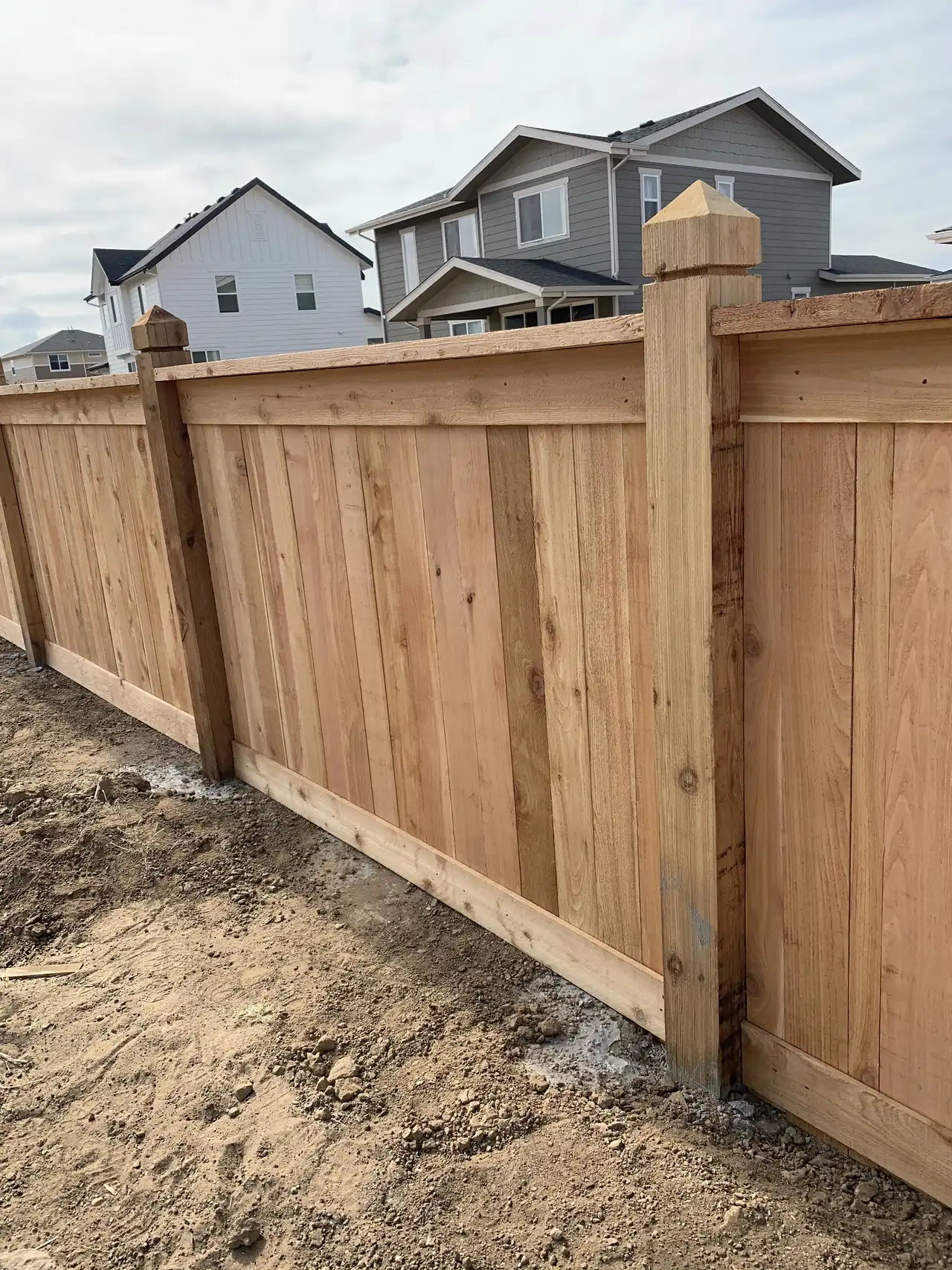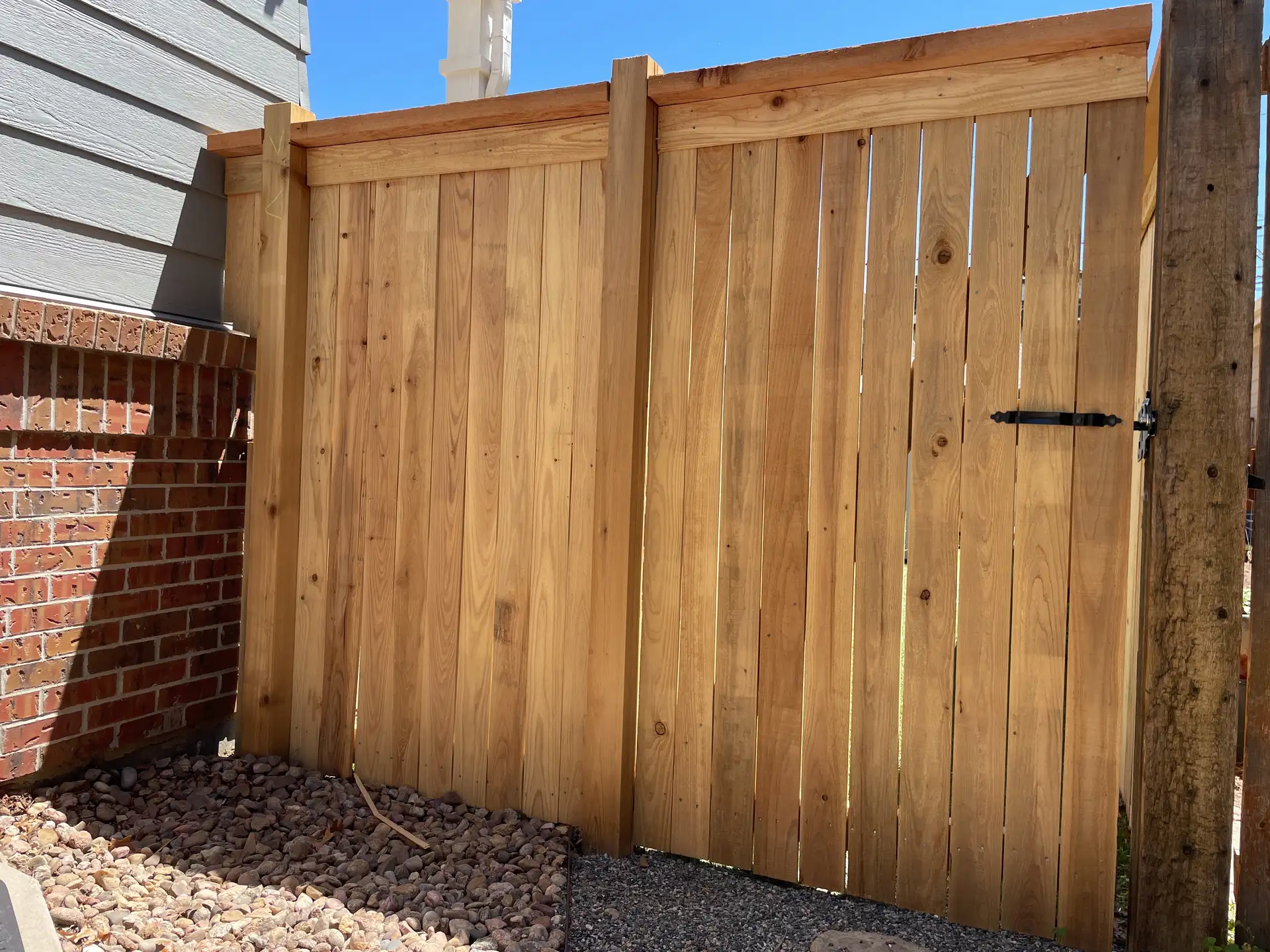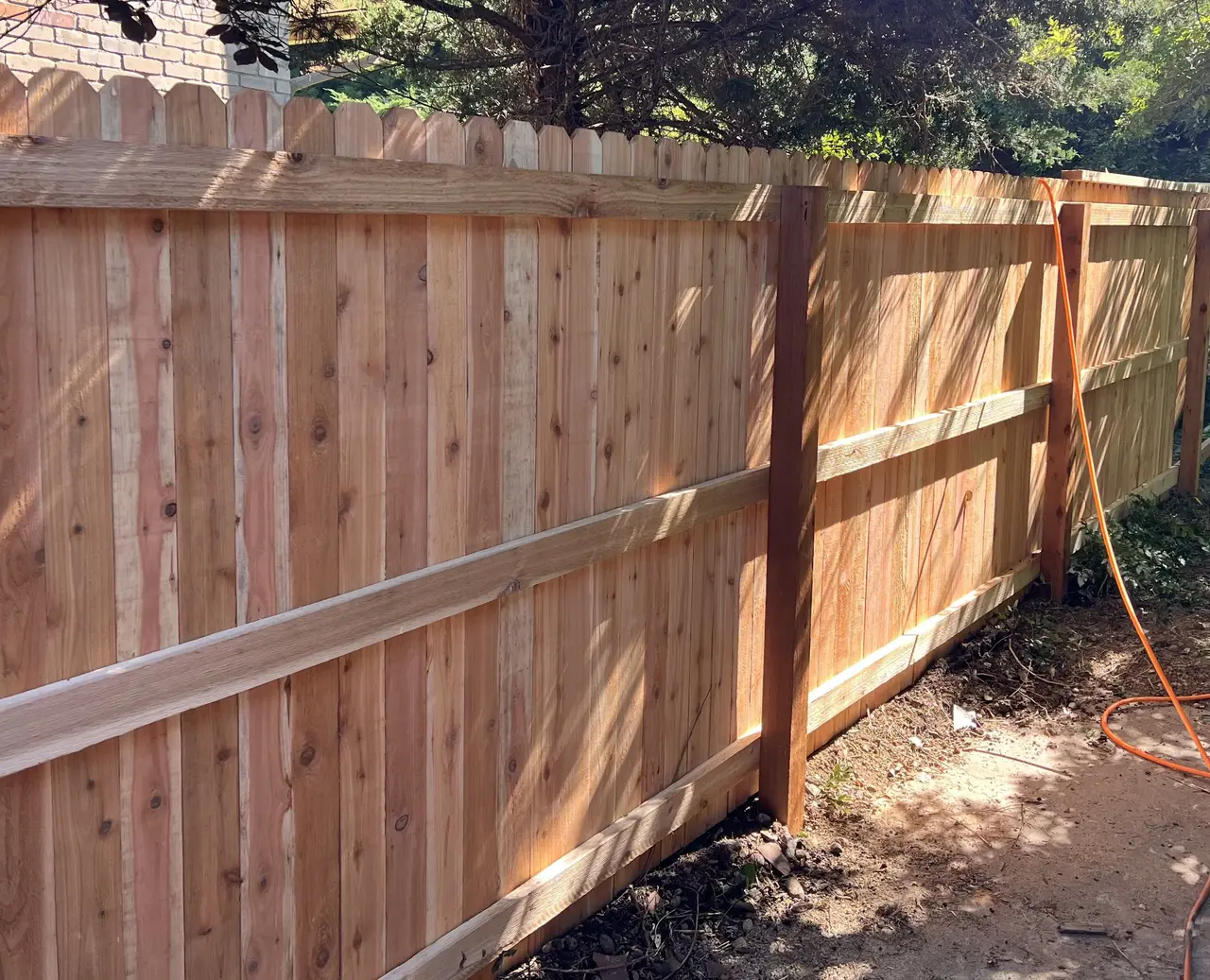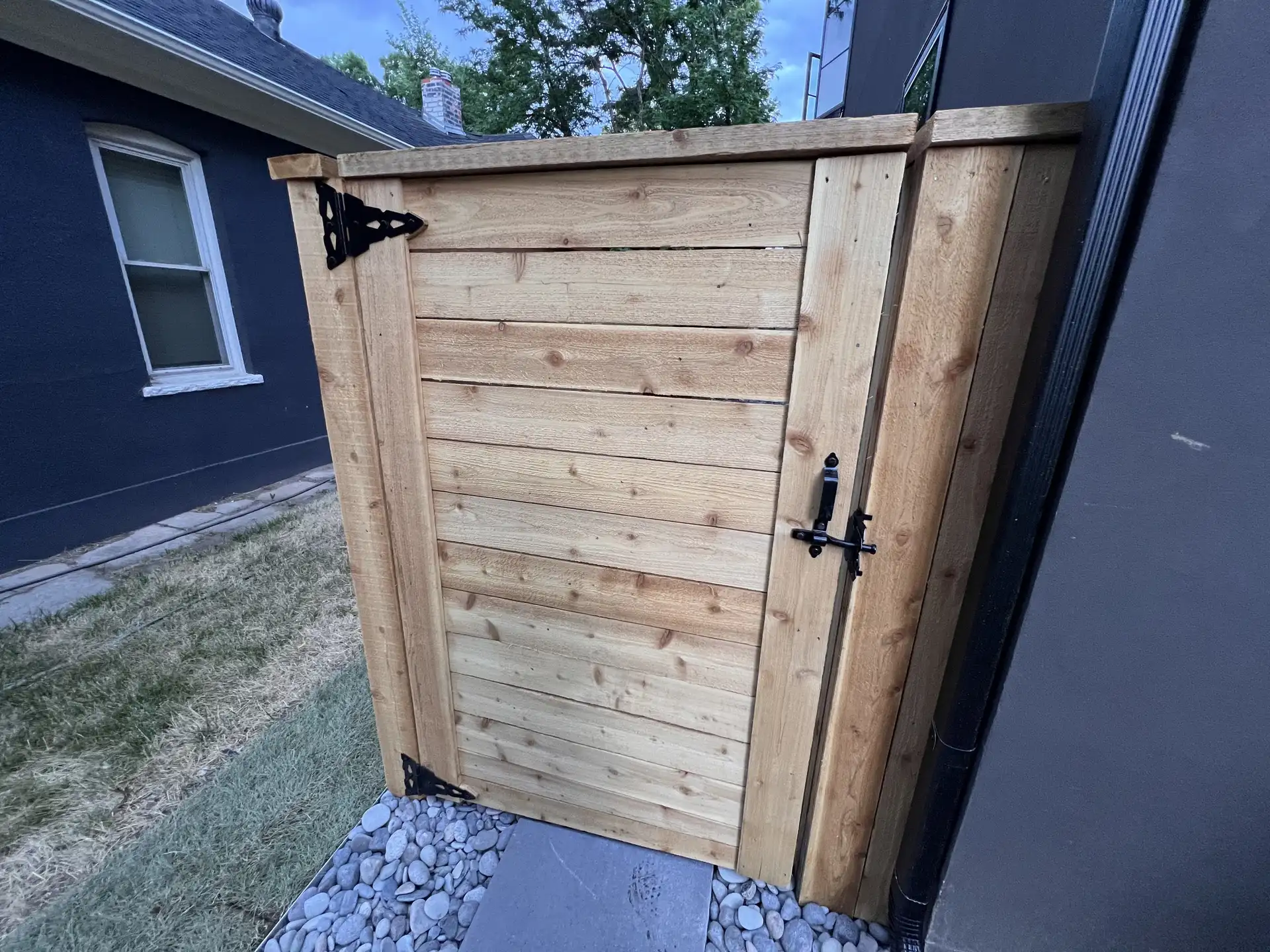
A fence can do its job perfectly and still leave a yard looking unfinished. That is usually when owners start looking at stone look fence panels. They want privacy and security, and they want something more substantial than a basic fence line.
Stone inspired fencing gives the visual weight of masonry without a full stone wall around the property. For homes, that means a cleaner backyard and stronger curb appeal. For commercial properties, it means a perimeter that looks intentional.
Why do stone look fence panels appeal to so many property owners?
The main reason is the look. A stone style fence adds texture, dimension and a finished appearance that flat panels usually cannot match.
There is a practical side. Full masonry walls are heavy, labor intensive and often much more expensive to build. Stone look panels give a similar effect with less structural demand and, in many cases, a faster installation.
Privacy is another factor. Many of these panels are solid or semi solid, so they block more than open picket or rail designs.
Where do stone look fence panels make the most sense?
The style works best when the fence is part of the property design. Front courtyards, backyard privacy runs, pool surrounds and commercial perimeters are all strong candidates. The payoff is highest where the fence is easy to see from the home, patio, entry or street.
It is also a smart option when you want a masonry look and need to watch weight, timeline or budget.
It depends on the setting. On a rustic property with a lot of natural wood, a cedar or board on board fence may sit better. On a very modern home, horizontal fencing may fit, and stone look panels suit architecture that leans classic or textured.
What should you look for in stone look fence panels?
First, realism. A quality panel has enough depth, contour and color variation to avoid looking flat. If every section repeats the same pattern, a long run starts to look artificial.
Second, structure. Posts, footings, panel connections and wind resistance matter as much as the finish. Colorado weather and freeze and thaw cycles expose weak installation quickly.
Third, maintenance. Some systems stay low maintenance for a long time, and others show staining, fading or surface wear sooner than expected. Ask how the material performs over time, not just how it looks on installation day.
How do height and proportion affect the look?
Stone style panels carry more visual weight than wood or chain link, so scale matters. A six foot privacy fence can look balanced in a backyard and too heavy in a tight front yard.
Long unbroken runs may need columns, transitions or mixed materials so the fence does not read as one continuous wall.
This is where custom planning helps. The panel style should work with the house, the hardscape, the gates and the grade changes across the property.
How do stone look fence panels compare with real stone walls?
For some properties a true stone wall is the right answer. It is permanent and can define the architecture. It also brings higher cost, more labor and greater structural requirements.
Stone look panels usually make more sense when the priority is visual impact with a more practical installation. They reduce weight and often shorten construction time.
There are trade offs. Real stone has a depth that manufactured systems cannot fully copy. Many owners simply want a fence that looks sharp, holds up and fits the budget, and for them the panels can be the better value.
What should you budget for stone look fencing?
Stone style fencing sits in a more premium category than basic chain link or standard wood privacy panels. The finish is more decorative.
Premium does not always mean impractical. Compared with full masonry, the panels can be a more budget conscious way to raise the look of the whole property.
Choosing well also saves a second project. Replacing the wrong fence always costs more than choosing the right one the first time.
Why does installation quality make the difference?
A good looking panel installed poorly will not stay good looking for long. Layout, footing depth, alignment and gate integration all have to be right. If the line shifts, leans or settles unevenly, the result suffers fast.
Heavy panels need strong footings, so ask how the posts will be set. Planning should start with the site: grade, drainage, access, wind exposure and local requirements.
In HOA neighborhoods the design may need approval before construction starts. An experienced contractor raises these points early, before materials are ordered.
Is this the right style for your property?
If you want a fence that disappears into the background, probably not. Stone look fencing has more presence and texture than most standard options.
It is strong for owners who want privacy and security without a plain perimeter. It also suits homes that already have masonry, textured finishes or higher end landscaping.
Compare it against one or two realistic alternatives, not ten. Regal Fencing installs precast concrete, wood and vinyl fencing, and a free on site estimate is a good place to see the options side by side.