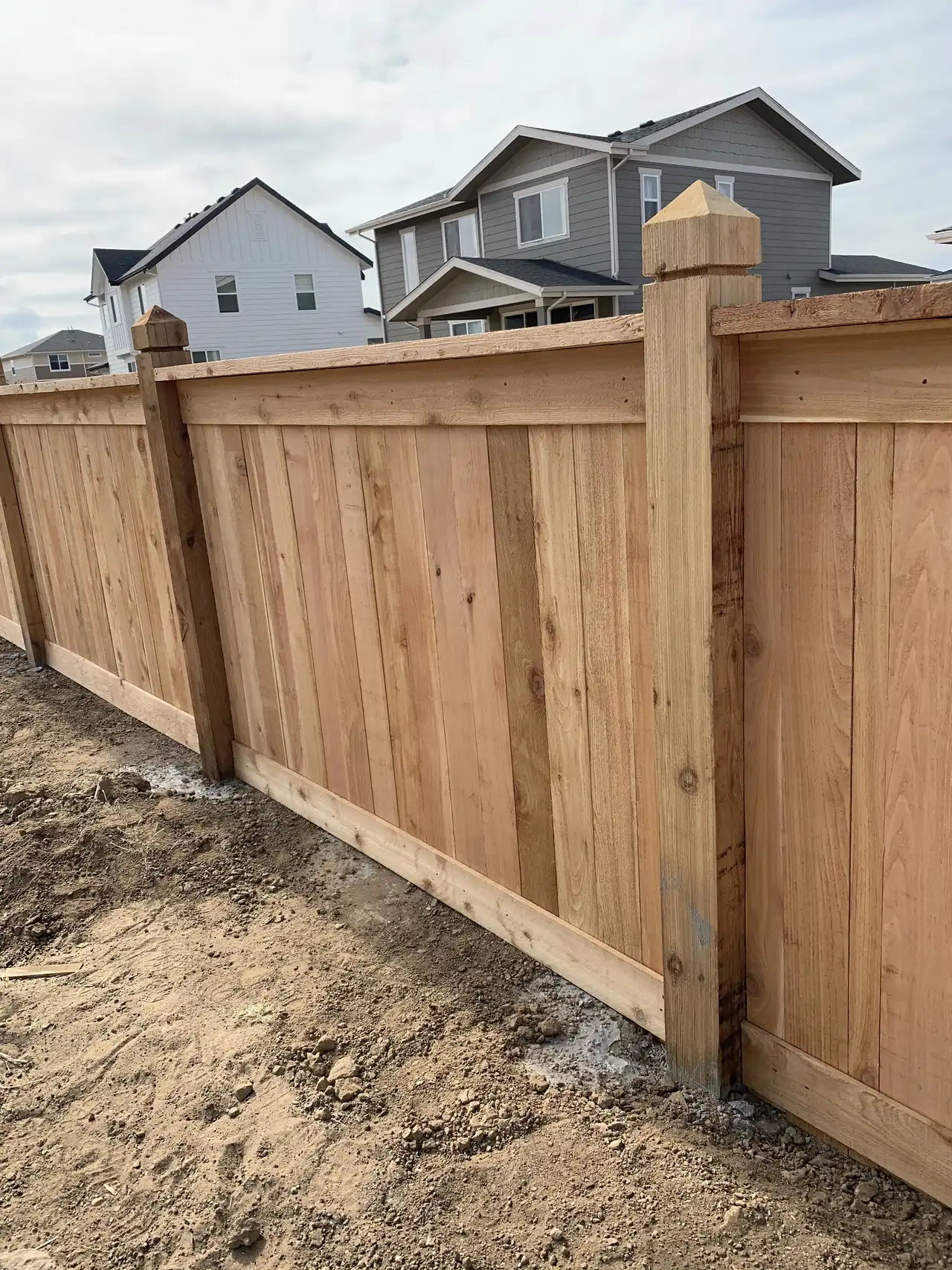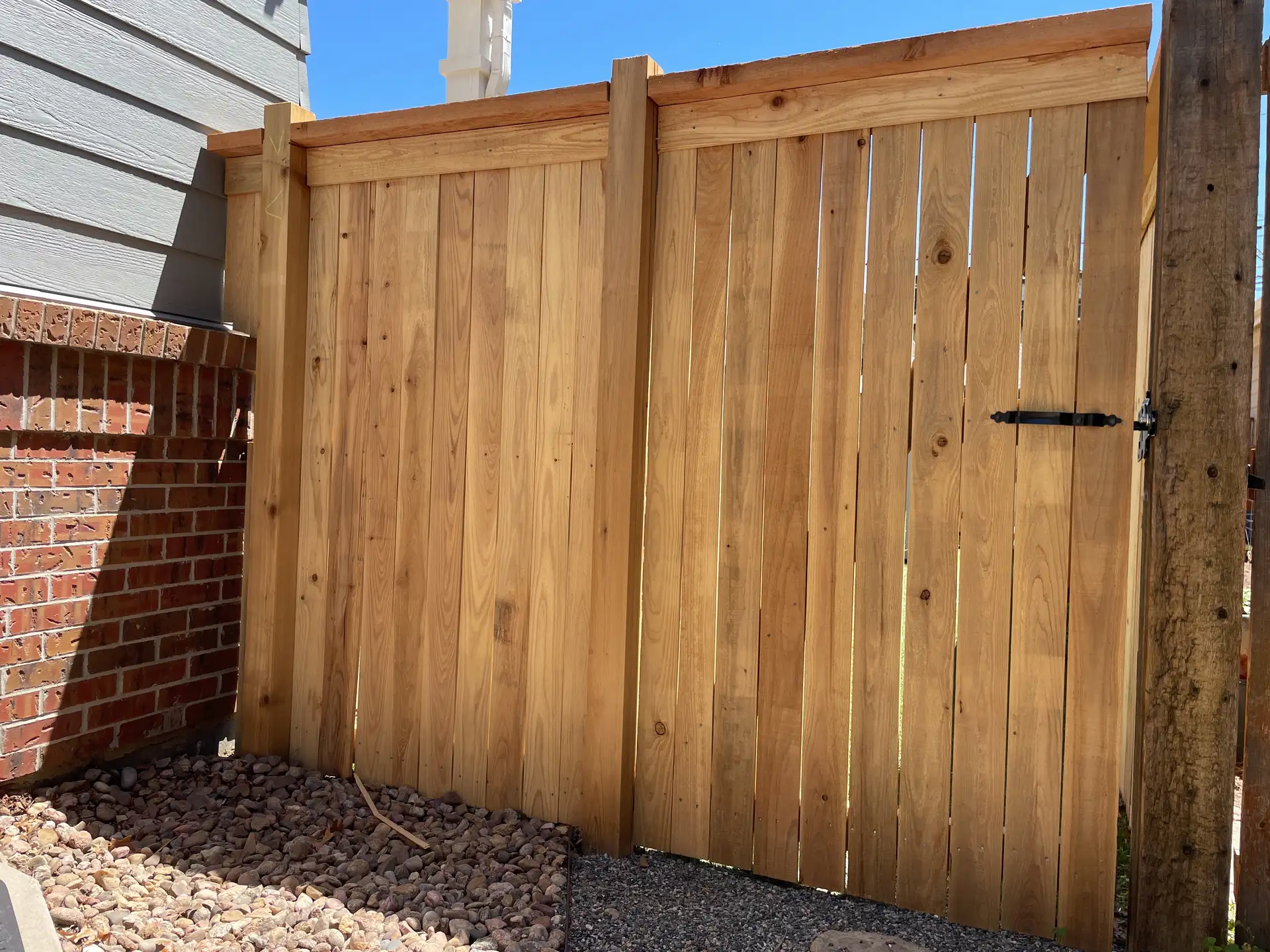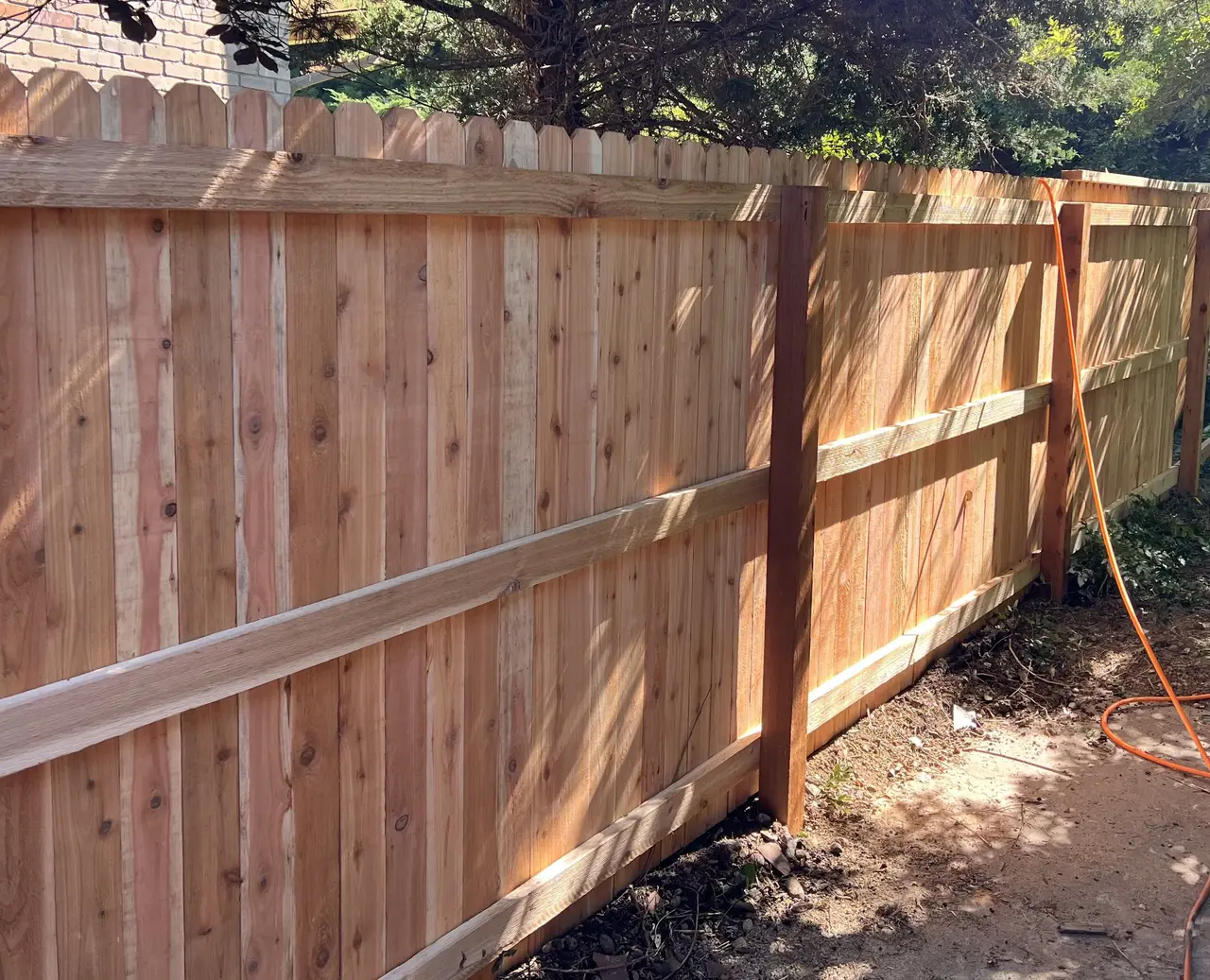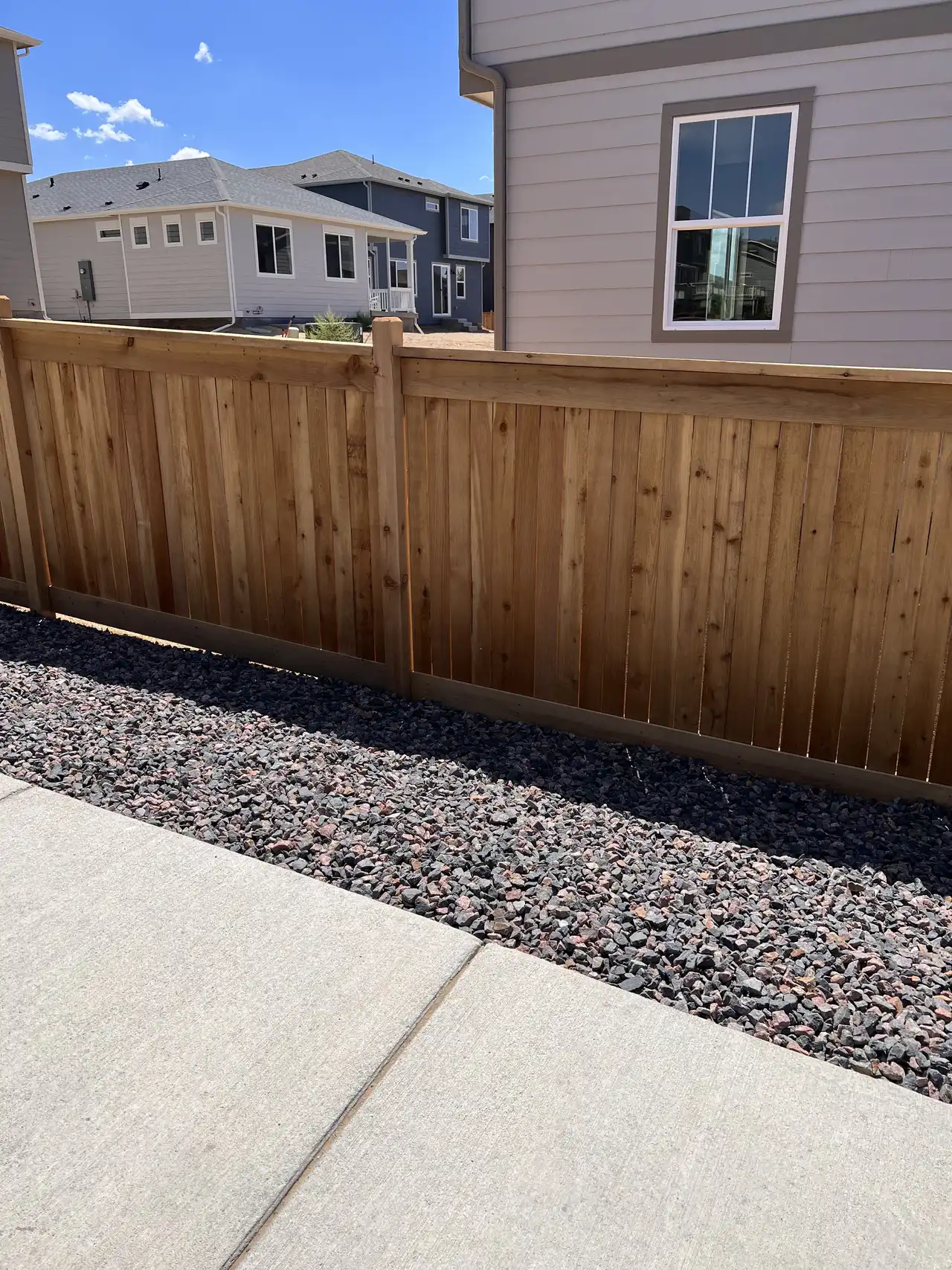
A backyard feels different once the fence goes up. The right privacy fence makes an exposed lot quieter, safer and more usable. It blocks sightlines from nearby homes and gives kids and pets a secure place to play.
Privacy is only one part of the decision. The fence also has to hold up to weather, suit the home, meet local or HOA requirements and fit the budget.
What makes a good privacy fence for a backyard?
A true privacy fence limits visibility in a meaningful way. In most cases that means minimal gaps between boards or panels and a height that screens neighboring views.
The best design depends on how the yard is used. To keep a patio private, the fence may only need to focus on the seating area. If pets are the concern, the bottom gap and gate security matter as much as the style.
The fence should also suit the site. Soil, grade changes, wind load and existing landscaping all affect the design. A fence that looks straight on day one and leans after a season is not good value.
What are the best materials for a backyard privacy fence?
Wood remains one of the most popular options because it is warm, flexible and custom. It can be built side by side, board on board for added coverage, or horizontal for a modern look.
Board on board appeals for privacy because the overlapping boards keep sightlines blocked as the wood expands and contracts. That makes a real difference where homes sit close together. The trade off with wood is staining and ongoing care.
Vinyl suits homeowners who want a clean look with less routine upkeep. It needs no staining, and the panels are built with very little spacing. It usually costs more upfront than basic wood, and thinner, lower grade vinyl will not give the same strength or finish.
Composite and stone look styles lean more upscale or contemporary. They can be durable and distinctive, and they tend to come at a higher price point. For many yards a custom wood fence gets a similar result for less.
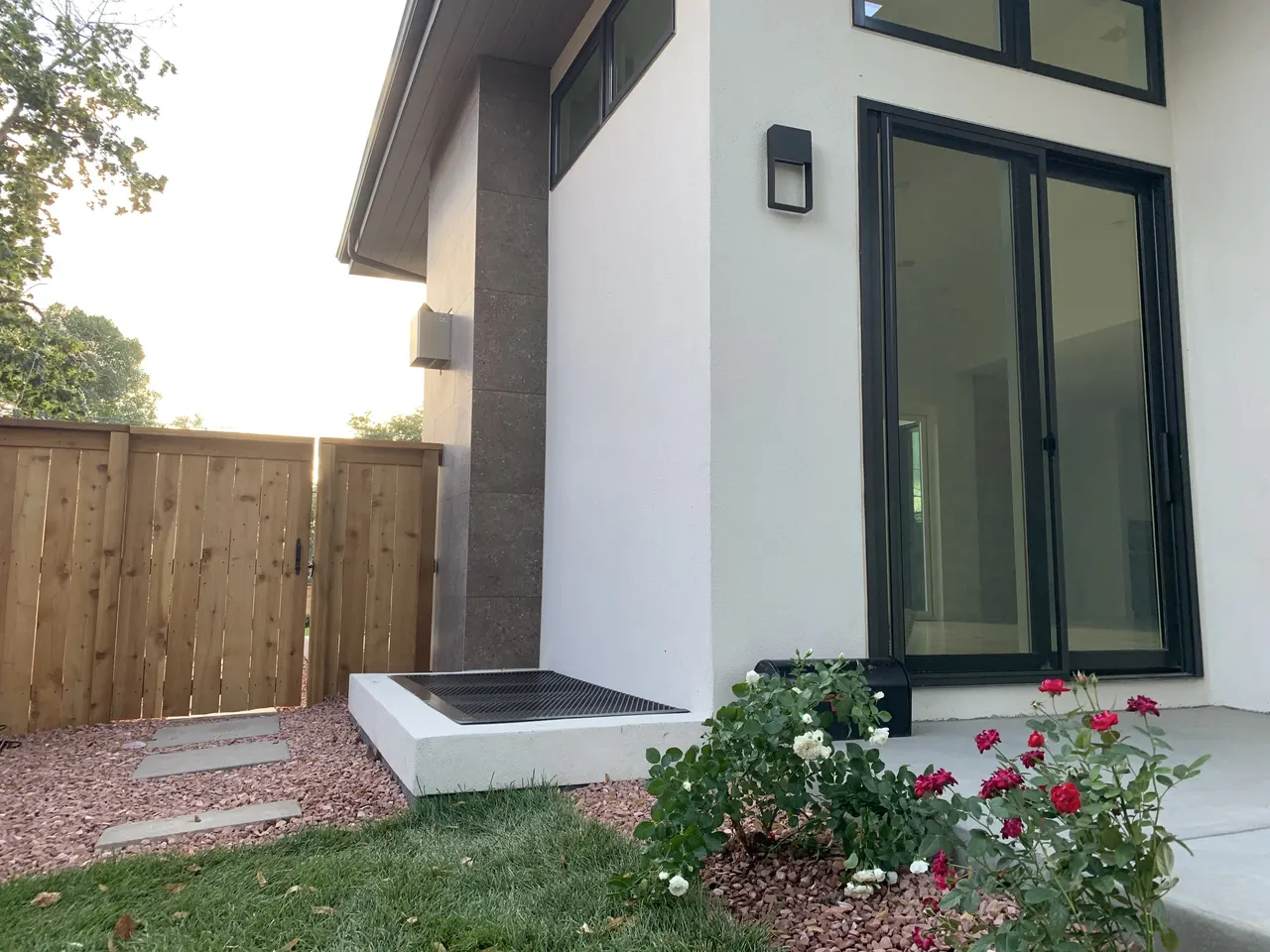
Which design choices affect privacy and appearance?
Two fences of the same height can feel very different. Six feet is a common starting point, but height alone does not solve everything. If the neighboring lot sits higher or second story windows are the issue, think about where added screening matters most.
Spacing is as important. Small gaps reduce privacy more than expected, especially when the yard is lit at night. A tighter pattern or overlapping boards screen better.
Vertical wood fencing is classic and is often the easiest style to align with neighborhood standards. Horizontal fencing looks more modern and needs proper support and careful installation to keep its lines.
A privacy fence only works as well as its gates. Side yards, alley access, trash storage and entertaining all affect where gates go and how wide they are. A gate should feel solid, latch cleanly and match the fence.
Which backyard conditions change the right fence choice?
In the Denver area, sun exposure, seasonal moisture changes and wind all influence how a fence performs. A yard with strong wind exposure may need a different structure than a sheltered lot.
Sloped yards may call for stepped panels or custom contouring. Mature trees affect layout and post placement through their roots and spacing.
This is why a personal estimate helps. What looks simple online becomes specific once the property is measured. Regal Fencing gives free on site estimates with a written price, usually the same day.
- Flat top
- Dog ear
- Board on board
- Spaced picket
- Horizontal
- Cap and trim
- Lattice top
How should you weigh budget against long term value?
Most homeowners start by comparing price per foot. That makes sense, but the cheapest option is not always the most economical over time.
A lower cost fence may use lighter materials, simpler construction or fewer details. That is reasonable for a rental or a short term improvement.
If the fence is meant to stay for a long time and frame the backyard, look at the full picture. Better materials, stronger posts and a careful layout usually mean fewer headaches later. For many owners the sweet spot balances durability, style and maintenance.
Which rules and neighborhood standards apply?
Privacy fencing often comes with local height limits, setback rules and HOA guidelines. Those can affect material, color, style and the finished height.
This is one of the biggest reasons fence projects stall. A homeowner picks a design they love, then finds the neighborhood requires something different. Regal Fencing helps with HOA approval and permit guidance so that is settled early.
Consider how the fence looks from both sides as well. It should serve your property and still fit the neighborhood.
When is custom design worth it?
A standard fence works well in many situations. Custom design earns its place when the yard has unusual dimensions, a strong architectural style or a specific privacy problem.
One side of the property may need deeper screening. The fence may need to blend with stone or landscaping. In those cases custom work often gives a noticeably better result.
A good estimate appointment should not feel like a sales pitch. It should be a practical conversation about goals, trade offs and what will work on the property.