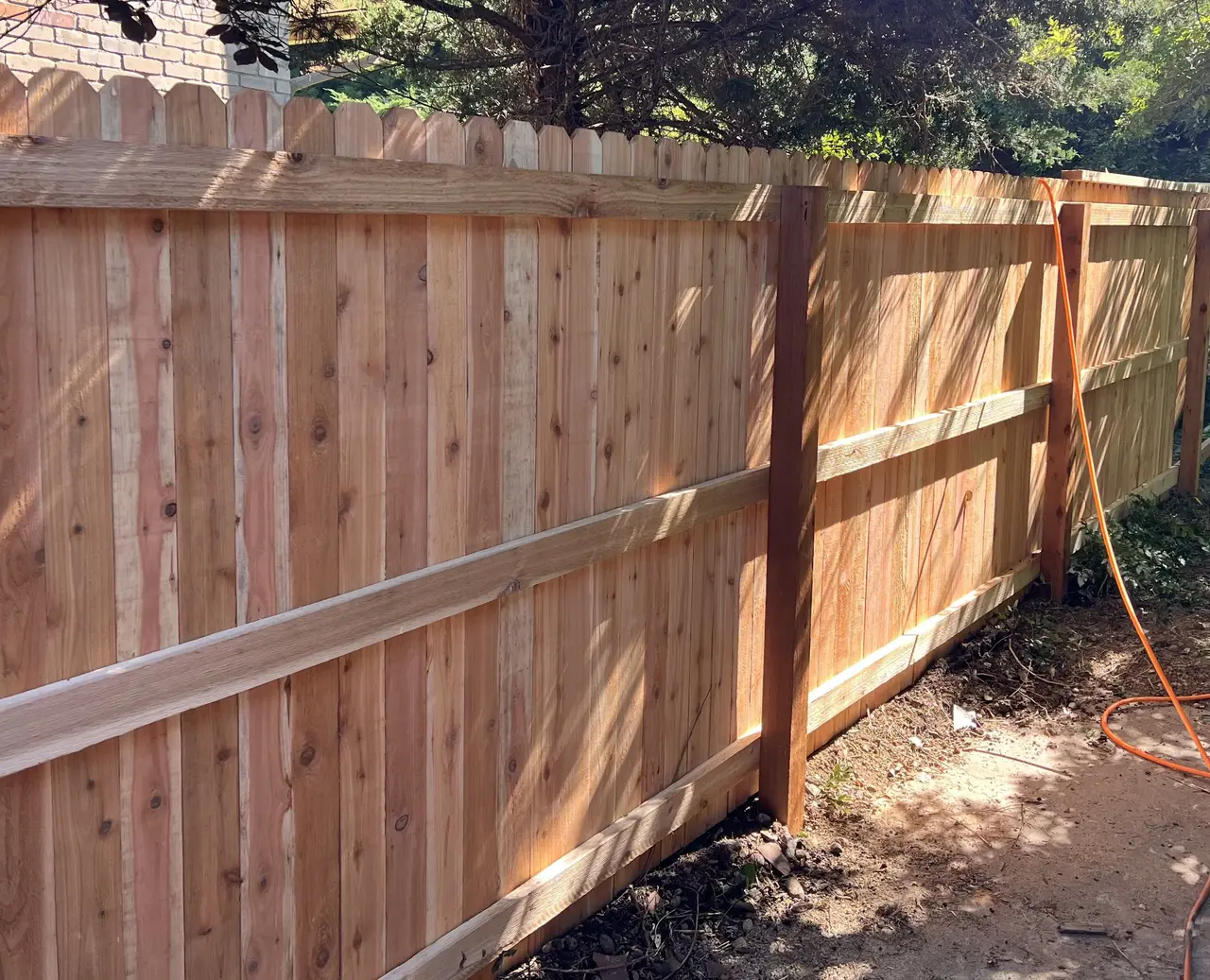
A fence project starts long before the first post goes in the ground. Good preparation saves time, prevents surprises and protects your landscaping.
Most of it comes down to clear decisions, a ready yard and good communication with your contractor. With those in place, the build moves faster and with fewer interruptions.
What should you decide before work begins?
Be clear on what the fence has to do. Privacy, security, pet containment, curb appeal and replacing a damaged fence each point to a different material, height, style and layout.
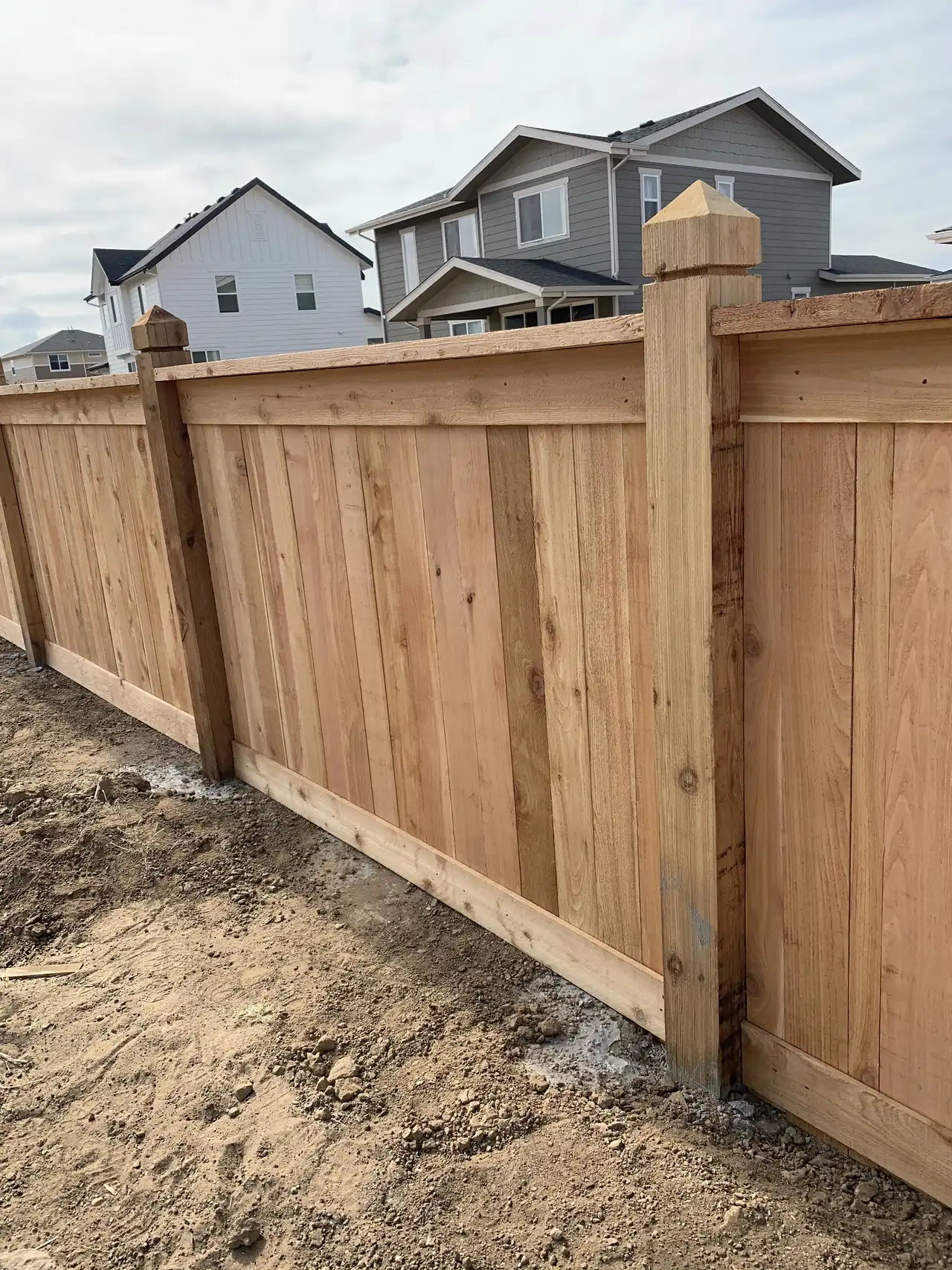
A wood privacy fence is a different look and maintenance plan from vinyl or chain link. Board on board adds coverage, and horizontal leans modern.
Think about budget as long term value, not just the first cost. The right fence should match your maintenance expectations, your weather exposure and how long you plan to stay.
How do you confirm property lines and neighborhood rules?
Uncertainty about where the fence goes is one of the most common causes of delay. If you have a survey or an improvement location certificate, bring it to the estimate. A fence contractor can talk through the layout but cannot establish a legal boundary without reliable documents.
Do not rely on an old fence, a row of shrubs or a neighbor's memory. Existing fences are sometimes built inside the line, outside it or at an angle. If there is doubt, a survey costs less than moving a fence later.
Talk to the neighbors too. Telling them the timing and which side will face their yard avoids surprises.
Then check the rules. Many Denver metro HOAs set height, color, style, materials and placement, and some require an architectural review before construction. Permit rules vary by city. Denver needs a zoning permit for fences over 4 feet, Centennial and Littleton permit every new fence, and Aurora requires one only above 7 feet, per each city's fence guidance. Corner lots, retaining walls, drainage corridors and easements may need extra review.
What should you talk through in the design?
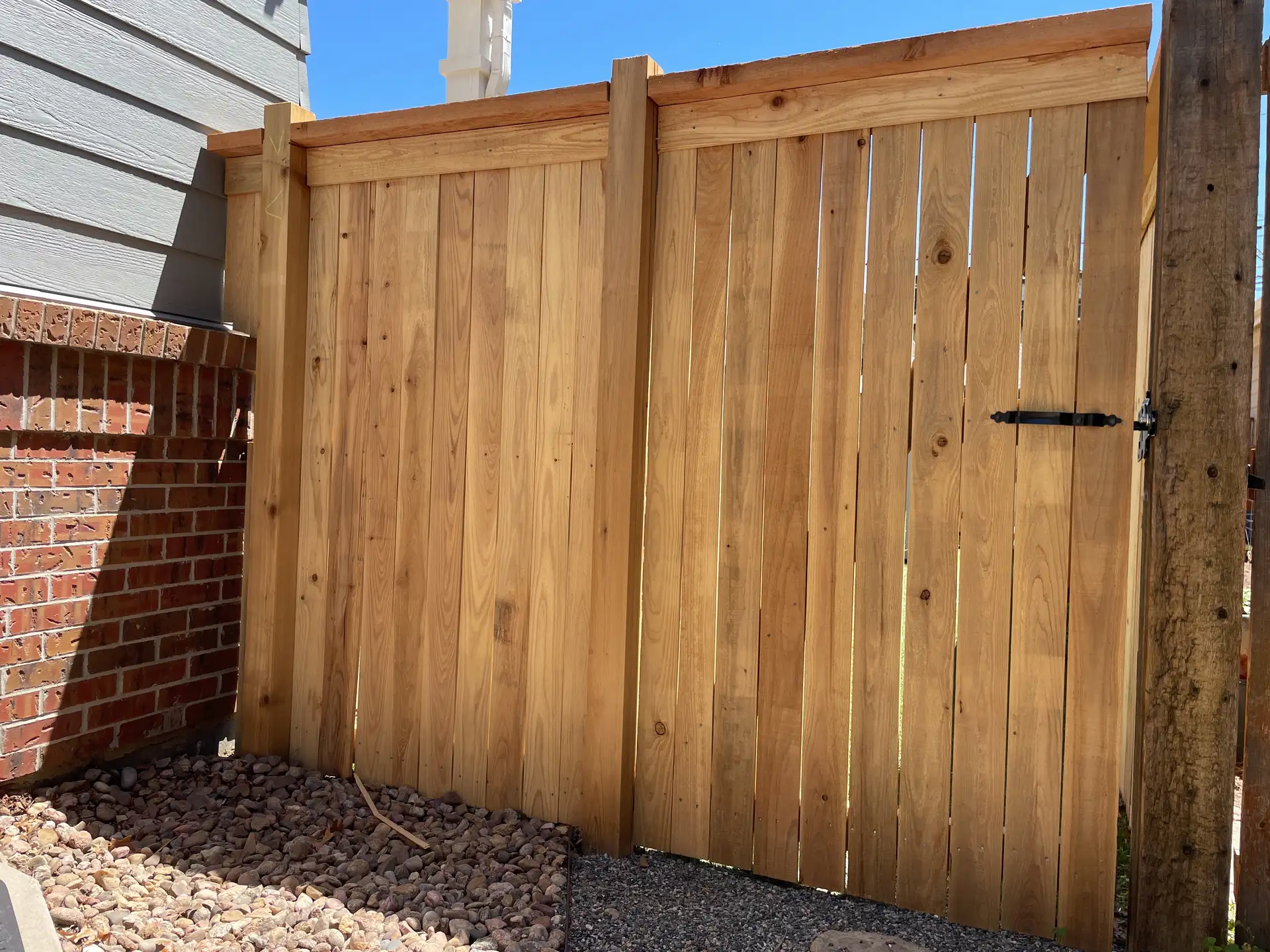
Cover the everyday details before installation. That means gate placement, access points, slope changes and how the fence meets the house or garage.
Think about who and what passes through each gate. A single walk gate suits trash bins and foot traffic. Lawn equipment, a trailer or a future shed may call for a wider double gate.
Check the swing direction, the grade under the gate and any conflict with steps, the AC unit or landscaping. If the fence encloses a pool, review the applicable safety requirements before you finalize the design.
How do you make the yard accessible?
Crews need room for materials, tools and post digging. Move patio furniture, grills, planters, toys, hoses and portable fire pits out of the work area. Move vehicles away from gates, side yards and the driveway if materials will be staged there.
Measure the side yard access if the crew has to pass through a gate. Tell the contractor about parking limits, shared driveways, alley access and gate codes.
Keep pets indoors or well away from the work zone, and keep children clear too. Gates stay open during installation, and the site has open post holes, tools and deliveries.
How do you clear obstacles along the fence line?
Trim back low branches, vines and shrubs that reach into the fence path. The goal is not to strip your landscaping. It is to leave enough room to dig, align rails and set panels without damaging plants.
If a mature tree, a retaining wall or a planting bed sits on the line, raise it during planning. Moving the fence slightly may save the tree, but it can affect the property line placement, gate spacing or HOA compliance.
On a replacement, agree who removes and hauls off the old fence. Take down vines, garden decor and anything attached that you want to keep.
How do you plan for utilities, permits and timing?
No post should go in until underground public utilities are marked. Colorado 811 asks for 3 business days of notice, and Regal Fencing calls 811 at least 3 business days before we dig.
Public marks do not always show private lines. Tell us about irrigation piping, landscape lighting wire, invisible pet fence wire, propane lines, drainage pipes and lines to sheds, hot tubs or detached garages.
Sprinklers need particular attention, because posts often cross irrigation zones near the property edge. Turn the irrigation off before the crew arrives so the ground is not muddy. Under our sprinkler line guarantee, any line we damage during install is fixed free.
Permits and HOA approvals can take longer than expected, so sort them before scheduling. Frozen ground, heavy rain and wind can also move the date. That usually means the crew is protecting the quality of the work.
What should you know about grade, drainage and soil?
Colorado yards often have slopes, compacted soil and drainage patterns that need attention. Walk the fence line after rain or snowmelt and note where water collects or runs toward a gate. A fence should not block a drainage path or sit in a low spot that keeps the post bases wet.
A sloped yard needs a design decision. The fence can step down in sections, or it can be racked to follow the grade. Not every material or style racks equally well.
Hard or rocky soil can mean extra labor and equipment. Mention it at the estimate so the approach is planned, not improvised.
What happens on installation day?
The day before, walk the work area once more. Move remaining obstacles, take the locks off the gates, secure pets and turn off the irrigation.
Small decisions sometimes come up once the crew is on site. A gate may shift slightly, or a post may move to avoid a root or an old footing. Be reachable so a quick answer keeps the job moving.
Expect some disturbance to grass and mulch near the fence line. Ask about cleanup ahead of time so everyone knows what the finished work area will look like.
What do homeowners often overlook?
The missed details are tied to everyday use. Think about mail delivery, trash can routes, side yard storage, AC unit clearance and gate latch height.
Another one is the staining plan for a new wood fence. Ask when the wood will be ready for stain, because early care affects how it weathers. Regal Fencing gives free on site estimates and can walk through all of this with you.