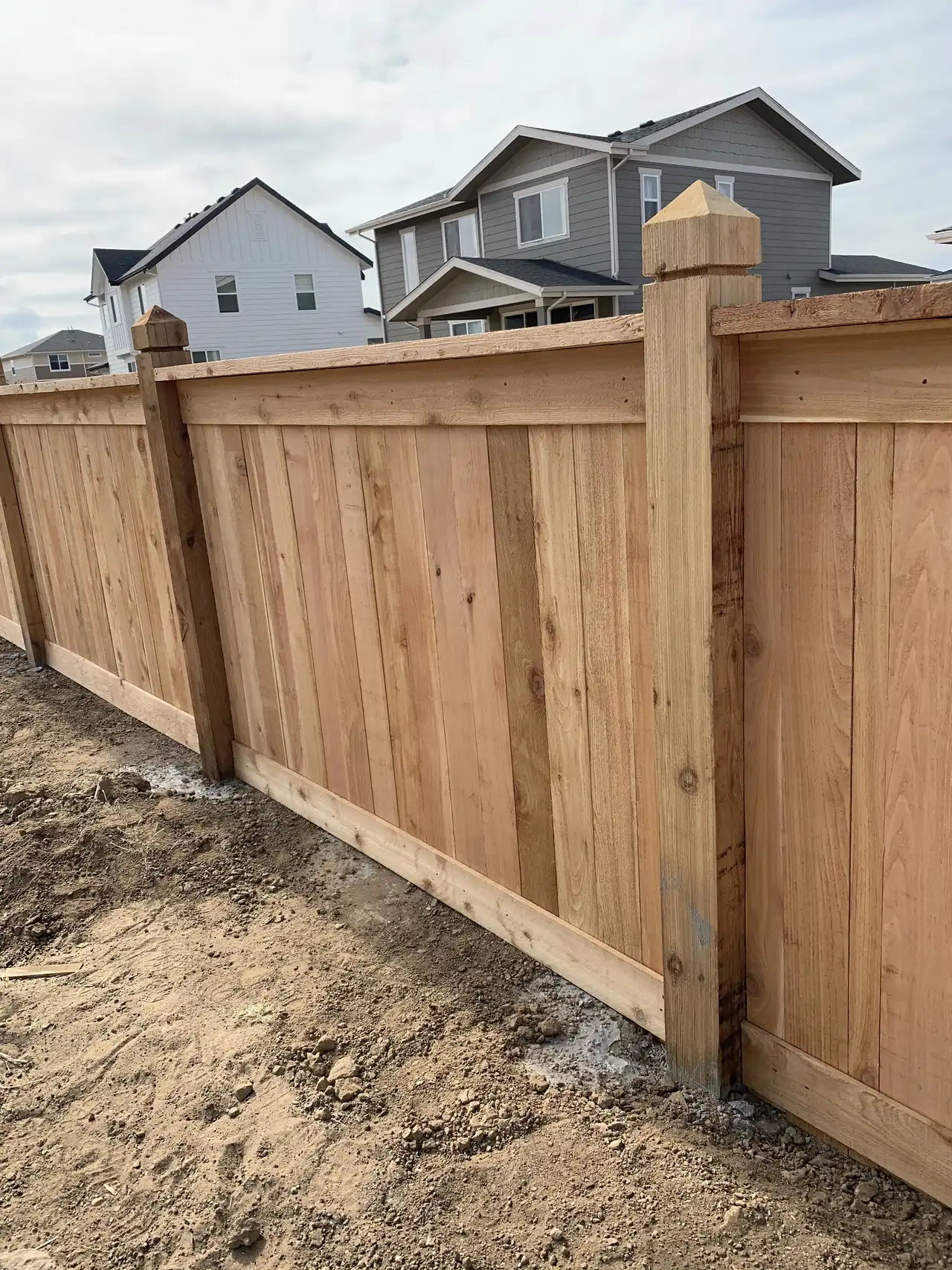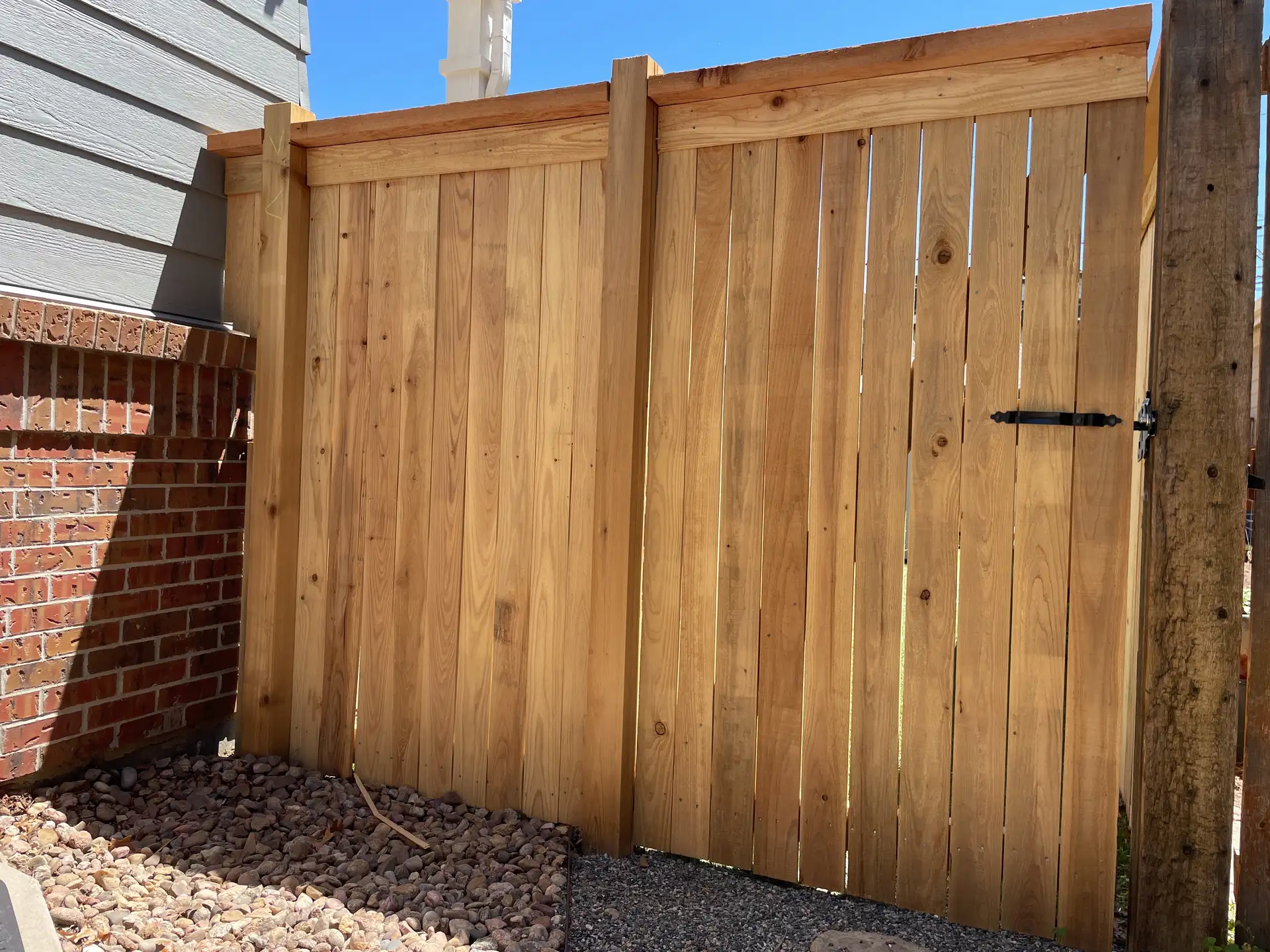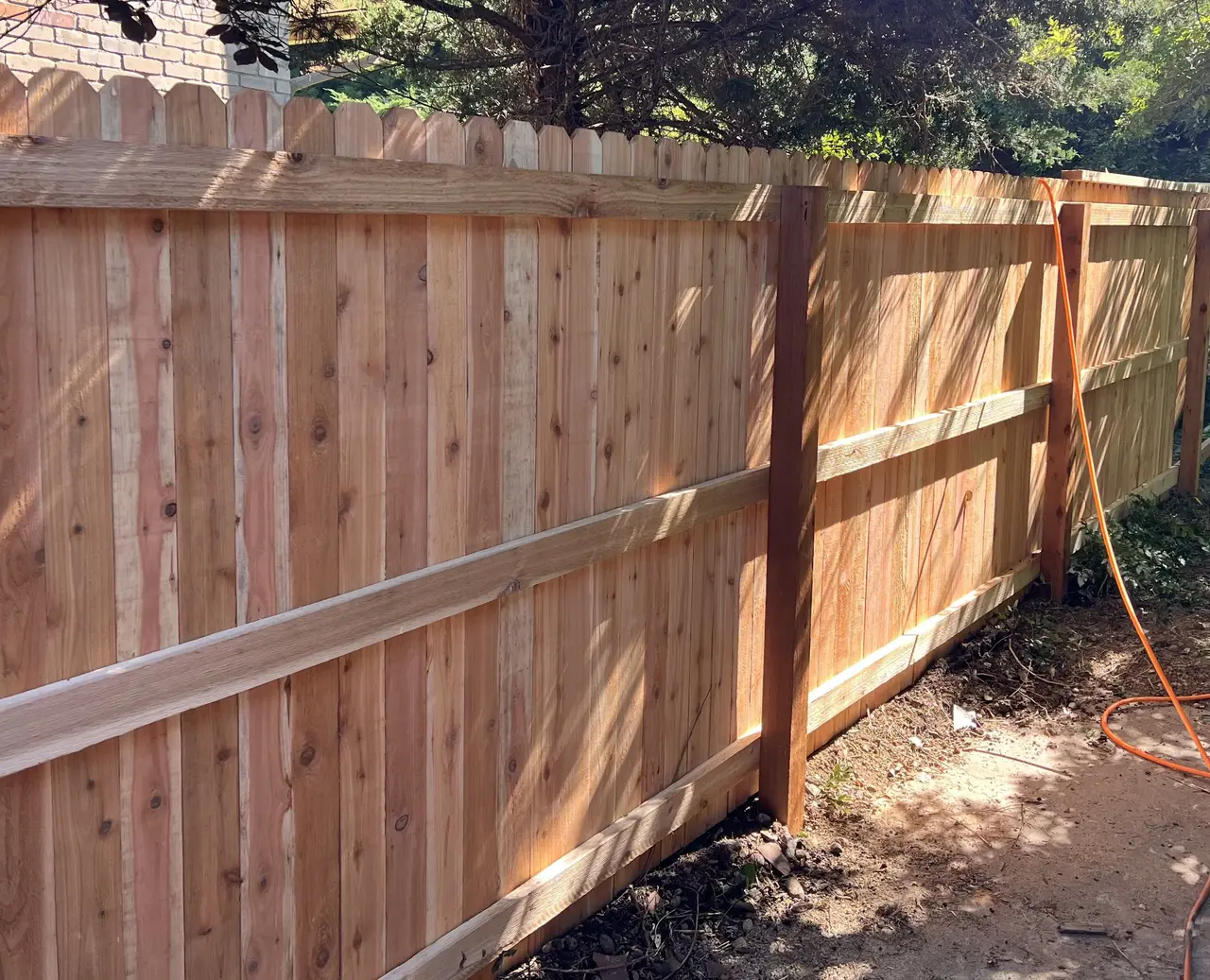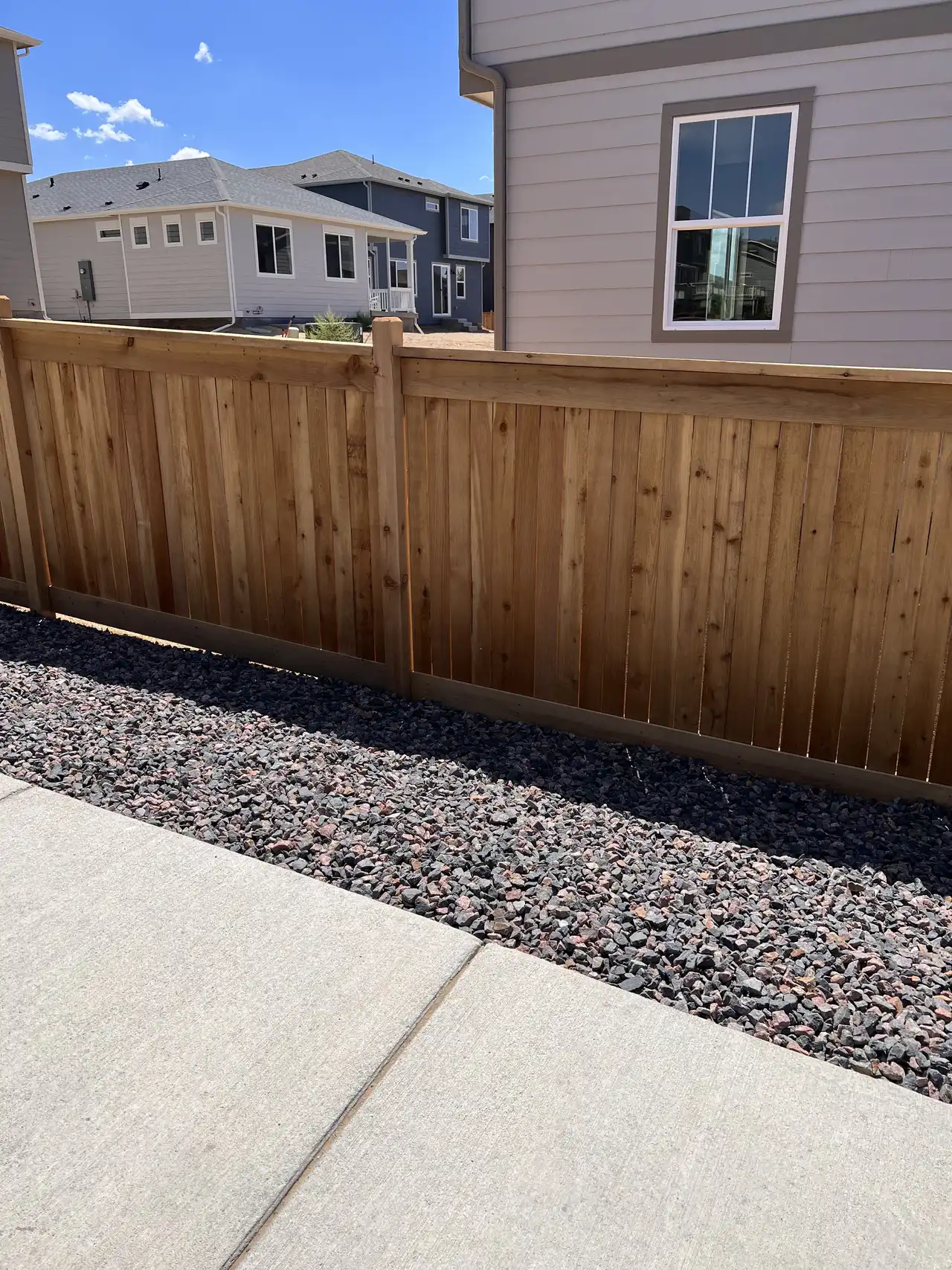
A wood fence can look solid from the street and still be overdue for stain. The boards are standing and the posts seem fine. Then one hard season of sun, snow and sprinkler spray leaves the wood faded, dry and exposed.
Our rule of thumb is every 2 to 3 years for most wood fences. The real answer depends on your wood, your stain, your sun exposure and the weather. A steady schedule slows moisture damage, sun damage, warping and cracking.
How often should a fence be stained in real conditions?
For most residential wood fences, our rule of thumb of every 2 to 3 years works. If your fence gets intense direct sun, strong wind, frequent snow or regular sprinkler contact, stain closer to every 2 years.
A fence in a shaded yard with good drainage and a quality penetrating stain may hold for 3 years or a little longer. The mistake is treating every fence the same. A privacy fence on the west side weathers differently from a side yard fence under mature trees.
In the Denver area, altitude and sun are hard on exterior wood. The World Health Organization's rule of thumb is that UV rises about 10 percent for every 1,000 meters of altitude, about 16 percent more at Denver's 5,280 feet than at sea level. Freeze and thaw cycles do not help. That makes a yearly look as important as the calendar.
What affects how long fence stain lasts?
Exposure is the biggest factor. Sun breaks down stain, especially on south and west facing sections. Rain, snow, irrigation and poor drainage make wood take on and release water again and again, which wears the finish faster.
Wood species plays a part. Cedar is popular for fencing and naturally durable, but it still needs protection to keep its look. Pressure treated pine can also do well, though it may take stain differently depending on its age and moisture.
The product matters more than people expect. A quality penetrating or semi transparent stain generally outlasts a thin coating that sits on top of the wood. Transparent stains show more grain but need more frequent care, and more heavily pigmented stains last longer and change the look more.
Application counts too. If a fence was stained before the wood dried, or the surface was not cleaned first, the finish can fail early.
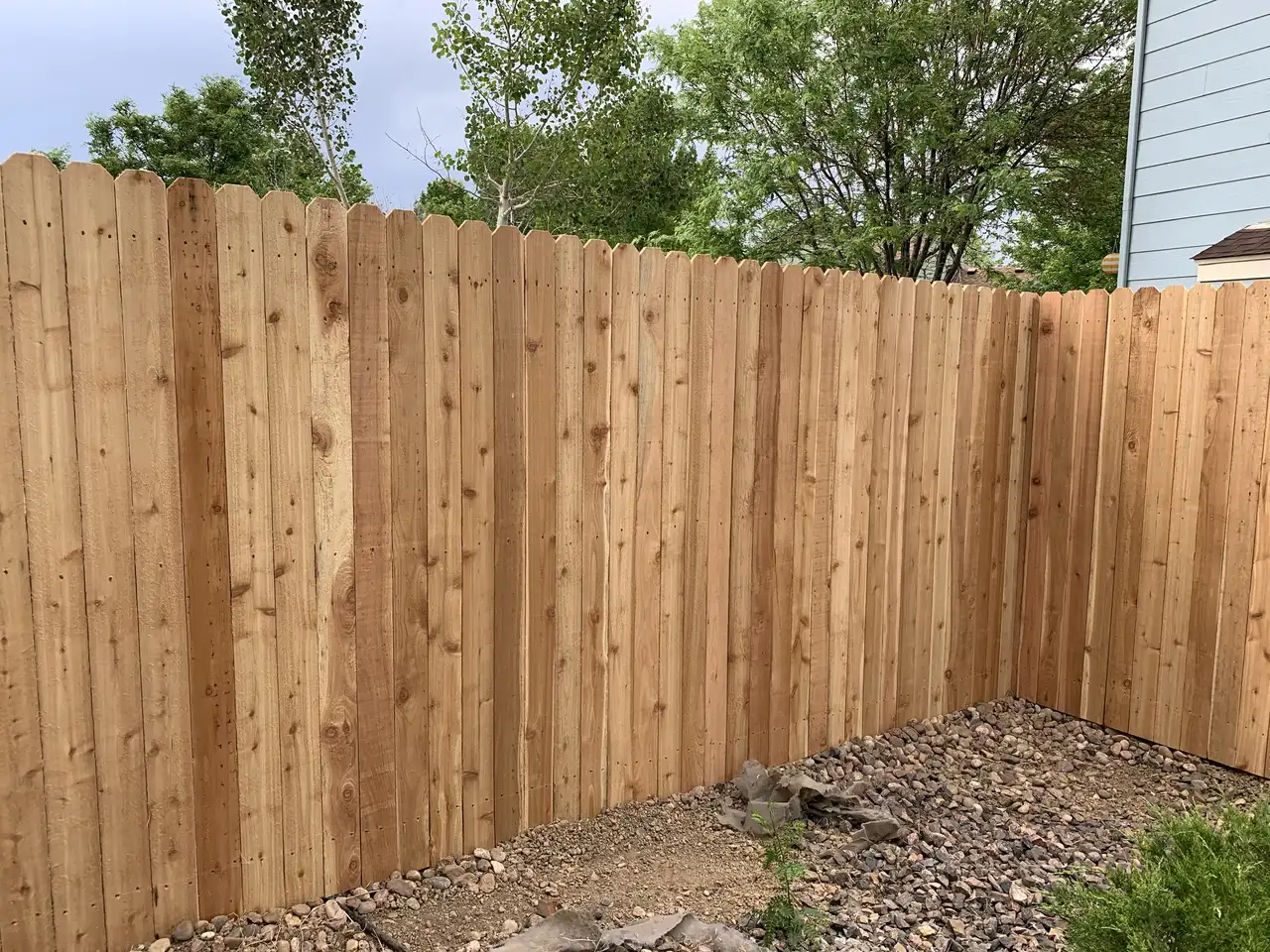
What are the signs a fence needs staining sooner?
Look at the wood, not the date of the last coat. Fading is usually the first clue. When the color looks dull or washed out, protection is already weakening.
Dryness is the next sign. Wood that looks thirsty, rough or splintery is no longer sealed. Graying on rails and sunny sections means the wood has been exposed too long.
A simple water test helps. Sprinkle a little water on a few boards. If it beads up, the stain is still working, and if it soaks in quickly, it is time to stain again.
When should a new fence be stained compared with an older one?
A new fence should not always be stained right away. Fresh wood, especially pressure treated lumber, often needs time to dry before it can take stain. Stain applied too early may not soak in and can wear off faster.
For many new fences the wait is a few weeks to a few months, depending on the wood and the weather. Cedar may be ready sooner than pressure treated material. Either way it should be checked, not rushed.
Older fences are different. If the structure is sound and the boards are in fair shape, staining can extend the life of the fence. Widespread rot, loose boards, failing posts or severe warping need repair first.
How often should a fence be stained if it faces full sun?
Every 2 years is the safer interval, especially for sections that take harsh afternoon sun. Sun wears both the wood and the stain, and the finish can thin unevenly long before the whole fence looks damaged.
This is why one side of a fence ages faster than the other. The shaded side can look fine while the sunny side is drying out. A regular walk around catches that before it turns into a repair.
Should you stain on a fixed schedule or inspect yearly?
Do both. A schedule keeps the job from being forgotten, and a yearly inspection lets you adjust for real conditions. That helps after a hard winter, a hail season or an unusually hot year.
Think of staining as preventive care. A light, regular cycle usually costs less than letting the finish fail and then restoring a weathered fence.
An annual check in spring or early summer is enough for most owners. Look for fading, dry boards, mildew, graying and spots near gates or bottom rails that stay damp.
What is the right timing for staining?
Mild, dry weather is ideal. Wet wood will not take stain properly. In high heat, stain can dry too fast and leave an uneven finish.
Spring through early fall is usually the best window. The right day is dry, moderate and not very windy. Cleaning the fence and letting it dry fully gives the stain a much better chance to last.
This is where professional staining helps, because prep, product and timing all affect how long the finish holds. Fence staining is one of Regal Fencing's services.
What is the bottom line on fence staining frequency?
Start with every 2 to 3 years and adjust for sun, moisture, wood type and the state of the current finish. If the fence faces strong sun or looks dry and faded, move sooner. If it still sheds water and the color is even, you may have more time.
If you are not sure, have the fence looked at before visible damage sets in. Regal Fencing gives free on site estimates across the Denver metro.