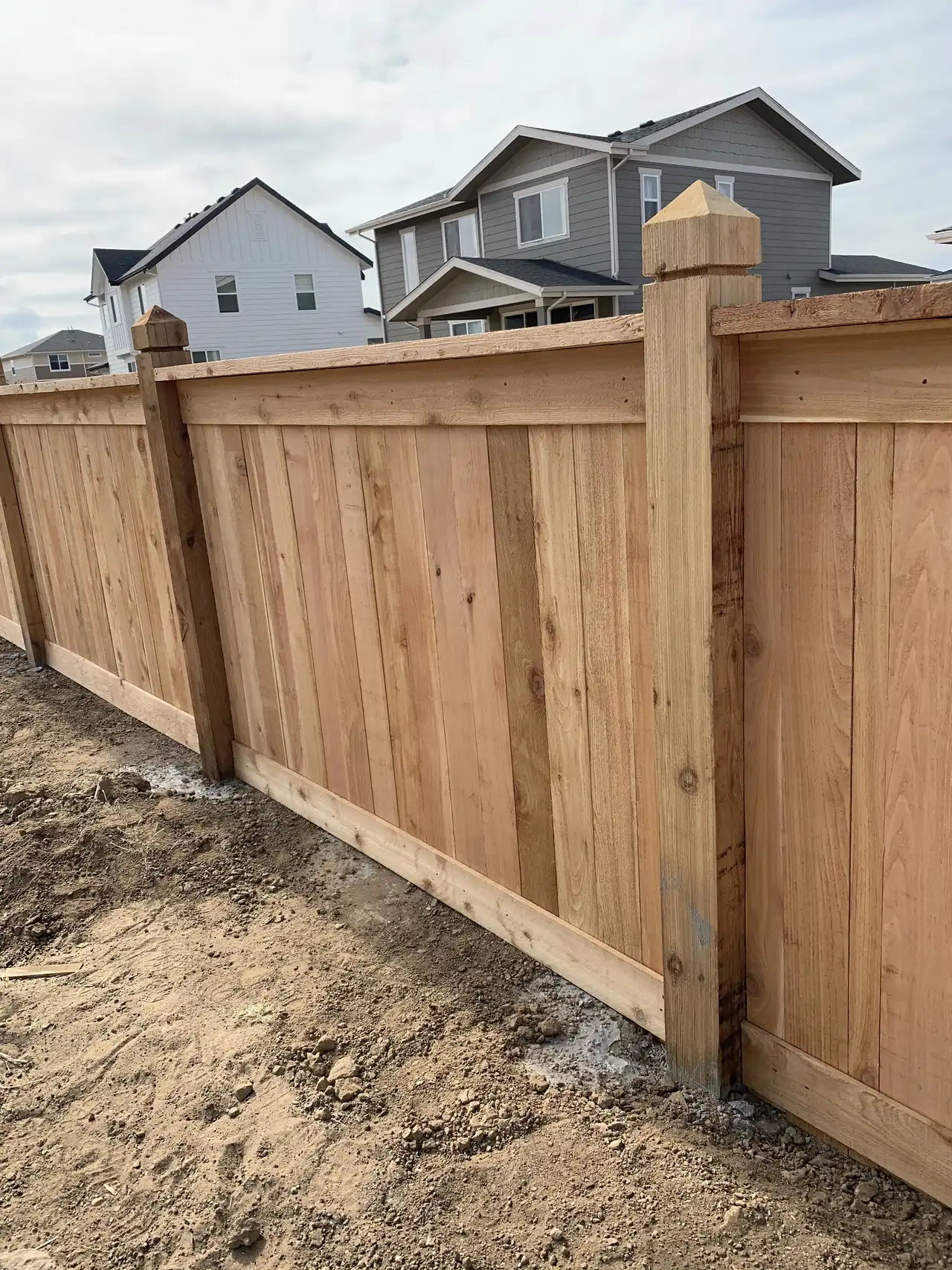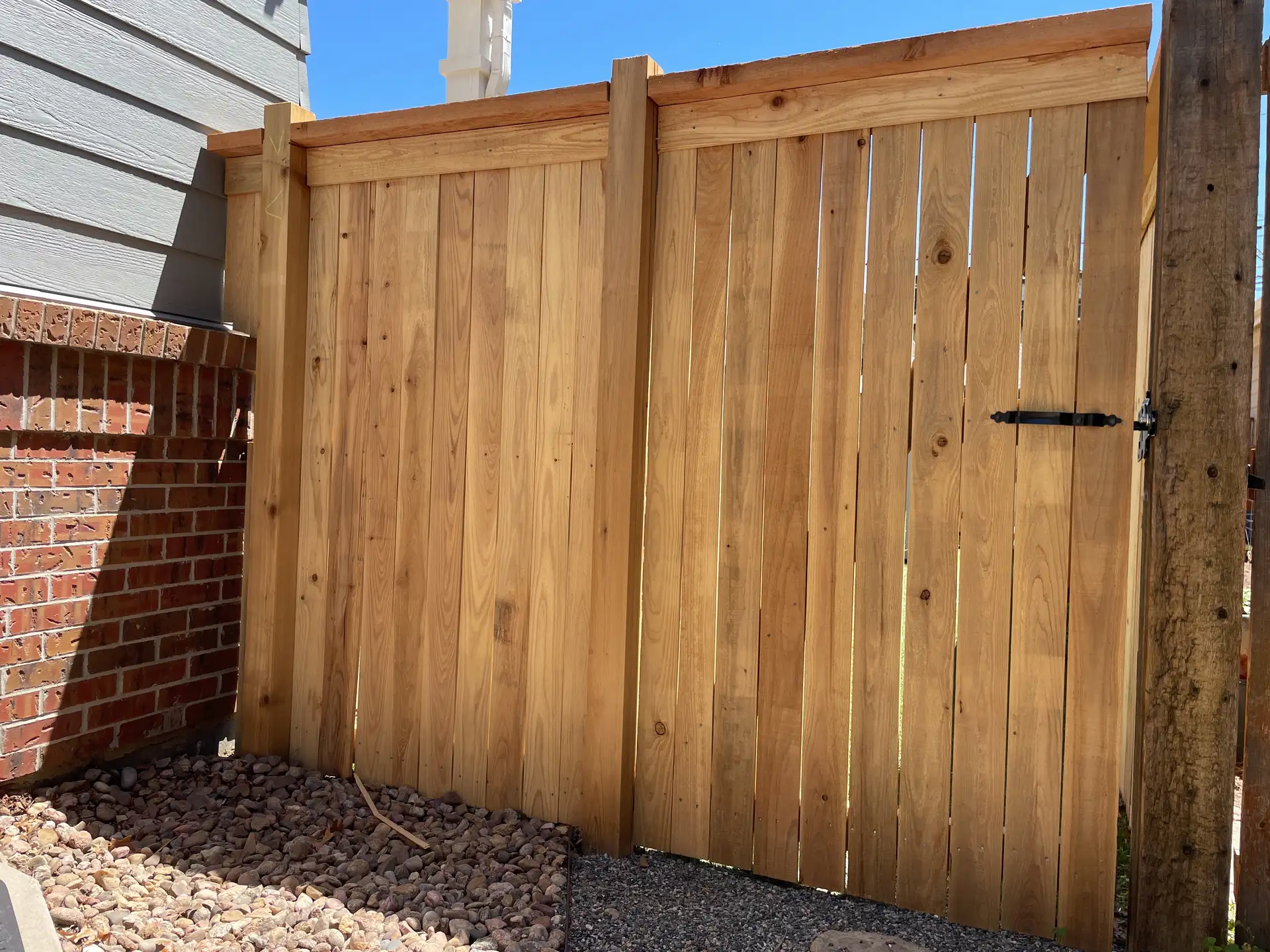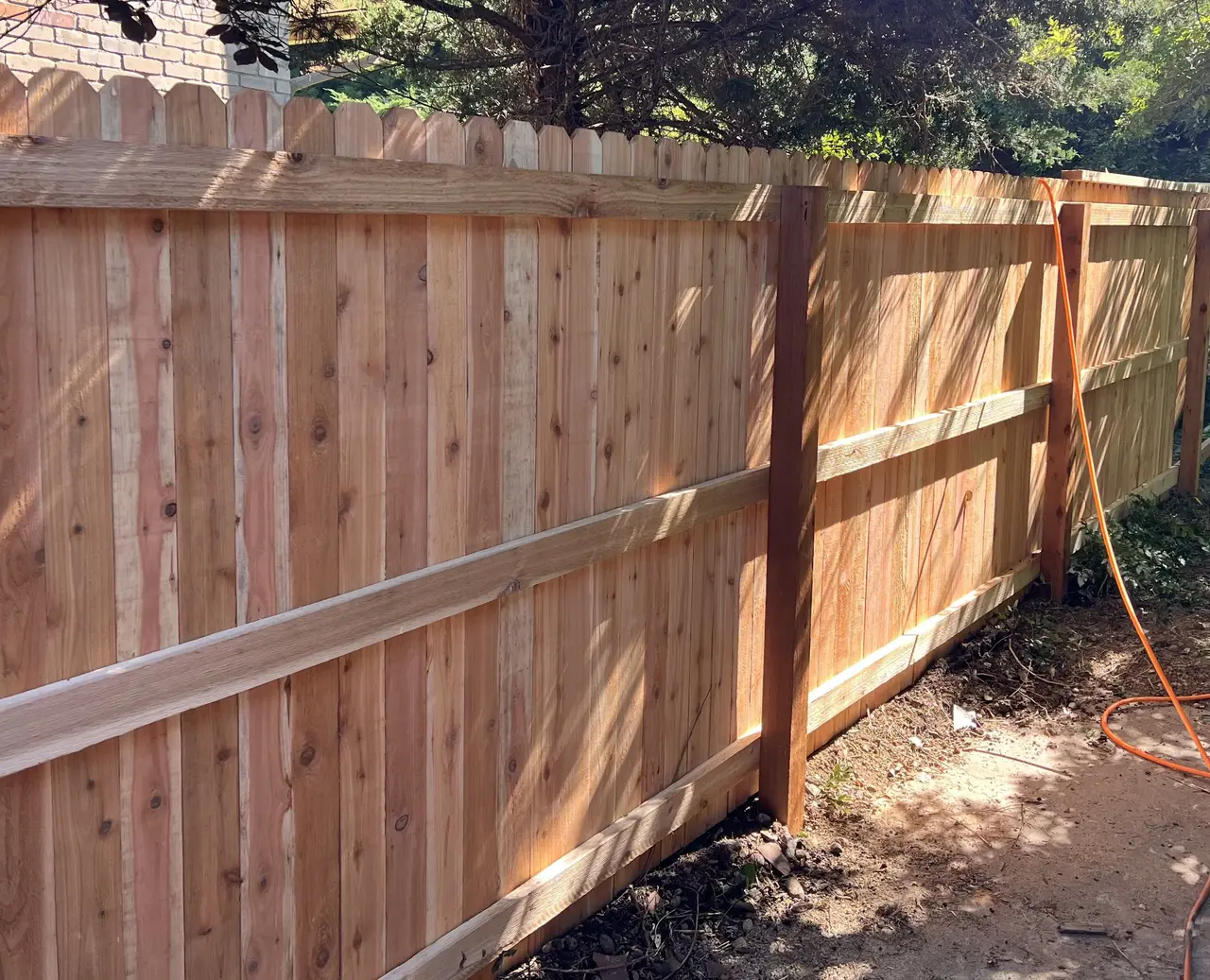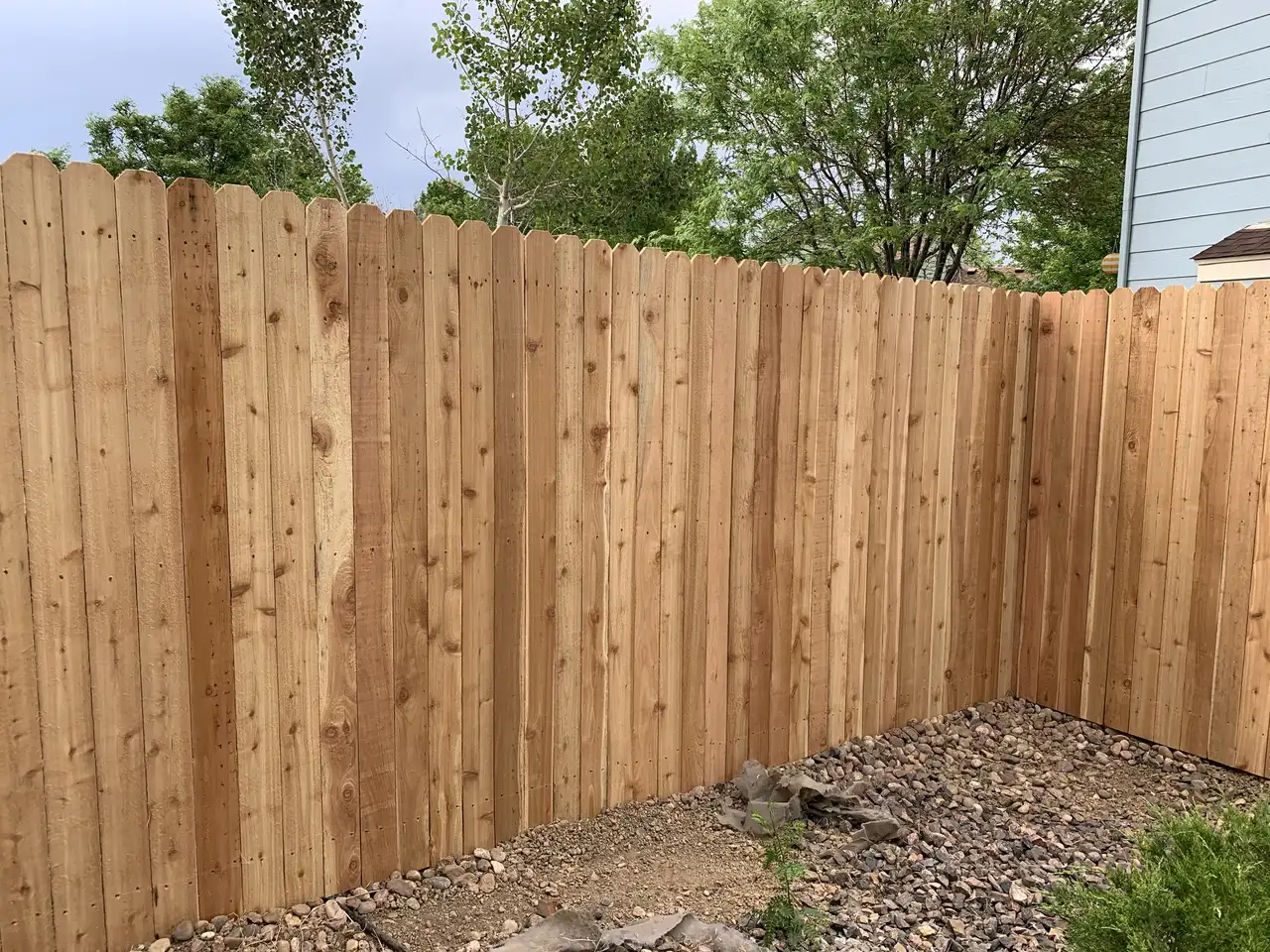
A horizontal fence changes how a yard feels. It looks cleaner, more modern and more custom than a standard vertical picket design. Then the quotes come in, and one lands far above another.
The short answer is that horizontal fencing usually costs more than traditional wood fencing. The design is more detailed, it can use more material, and the structure has to be built correctly to avoid sagging and warping. The price covers layout and craftsmanship as well as boards and posts.
What affects horizontal wood fence cost?
Project size is the biggest factor, but it is only the start. Two fences with the same footage can price very differently because of materials, site conditions and finish details.
Wood species makes a clear difference. Cedar is a common choice because it balances appearance and durability. Pressure treated lumber can lower the upfront cost, and higher end hardwoods push it up fast.
Height matters. A 6 foot privacy fence costs less than a 7 foot custom fence built for more screening. Taller fences usually need stronger posts, deeper footings and more material.
Then there is the board layout. Tight spacing for full privacy uses more material and takes more precision to keep the lines even from one section to the next. Small reveals between boards give a lighter look.
Is there a typical price range for a horizontal wood fence?
A horizontal wood fence generally lands above a standard vertical wood fence, and custom details move it up from there. We do not publish a per foot figure, because fence pricing depends on the property.
Labor, permit requirements, soil and material availability all affect the number. In the Denver area, freeze and thaw, wind exposure and sloped lots can change how a fence has to be built. That can affect cost as much as the wood itself.
For a full backyard perimeter, small differences per foot add up quickly. The gap between two quotes usually comes down to construction details, not just markup. Regal Fencing gives a written price after measuring the yard, usually the same day.
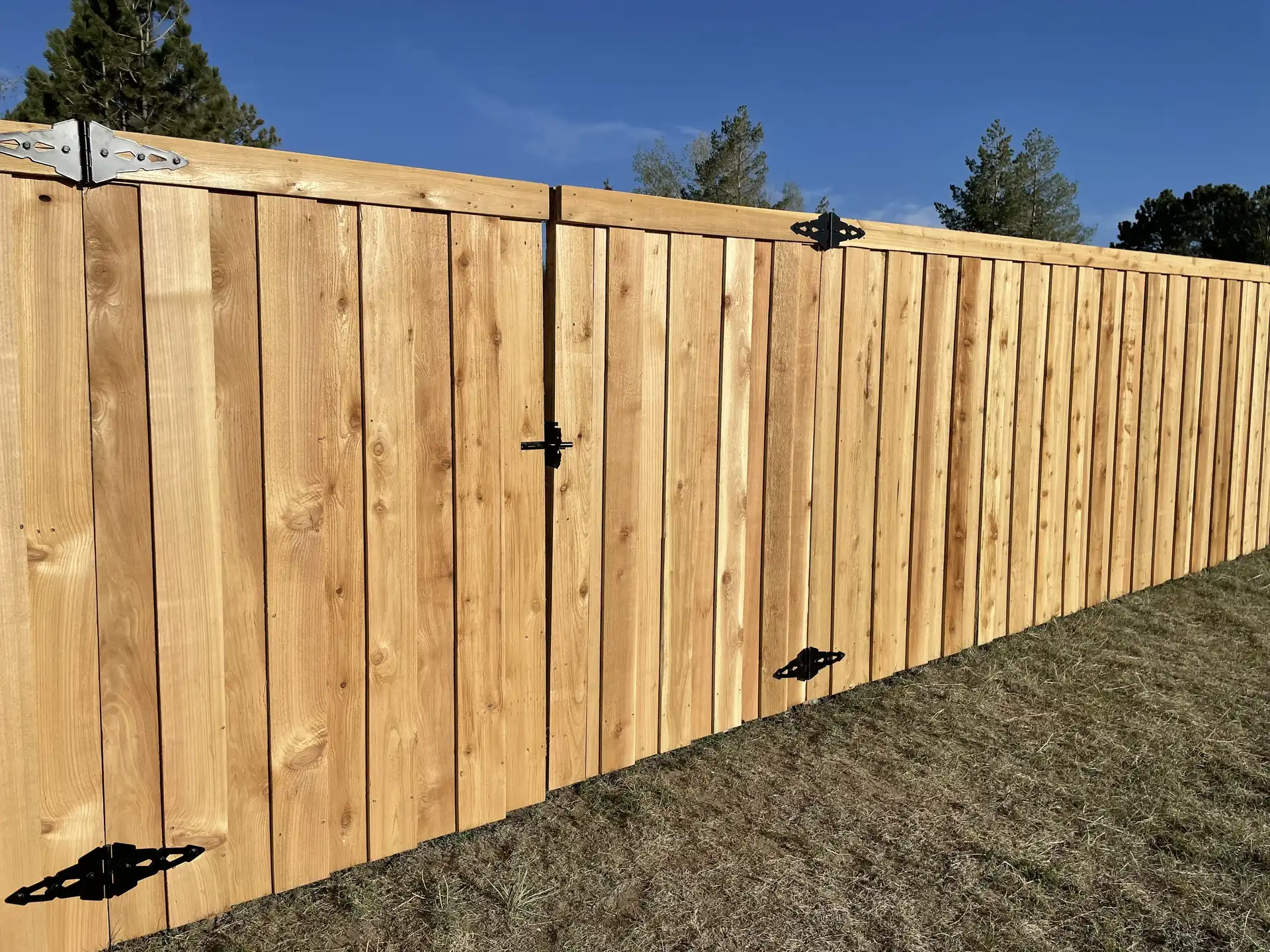
Why do horizontal fences often cost more?
Horizontal fences look simple, but every line is visible. Slight dips, uneven spacing or boards out of line stand out right away, so the installation has to be more exact.
Horizontal boards also load the frame differently than vertical boards. Long spans can sag if posts sit too far apart or the support is underbuilt. A careful contractor may recommend thicker rails, stronger framing or steel posts hidden inside the design.
Waste can be higher too. Boards have to be cut carefully to keep clean transitions at corners, gates and grade changes. Picture framing, cap boards and custom gate details add more labor.
This is a project where the lowest quote is not always the best value. A fence built without enough support can save money at installation and cost more in repairs later.
Which materials and design choices change the price?
Cedar remains one of the most popular options because it stains well and suits modern and traditional homes. Clear or select grade cedar costs more than knotty cedar and looks more refined.
Post choice is another major variable. Wood posts are common, and steel posts add strength on long runs and wind exposed lots. Ask about our free steel posts when we visit.
Finishing matters. An unstained cedar fence costs less at first, and staining protects the wood and keeps its color. Some owners budget for staining right away and others plan it as a follow up.
Custom gates, decorative top caps, trim, stepped panels on slopes and HOA design requirements all affect the final number. Bring them into the budget conversation from the start.
- Flat top
- Dog ear
- Board on board
- Spaced picket
- Horizontal
- Cap and trim
- Lattice top
How do site conditions raise or lower your quote?
A flat, open yard is the most cost efficient setup. Once the site gets more complex, labor and materials go up.
Sloped ground can call for stepped or racked panels. Rocky soil makes post holes slower. Tree roots, old concrete, tight backyard access and removal of an existing fence all add cost before the new fence goes in.
Corner lots and commercial properties may need more gates or reinforced sections. That is why a site visit matters. An accurate estimate reflects what is on your property, not a rough footage number pulled from a map.
How do you budget wisely for a horizontal wood fence?
Set priorities before you ask for quotes. Decide what matters most: privacy, appearance, durability, a lower upfront cost or a custom design that suits the house. Clear priorities make quotes easier to compare.
Ask what is included. One proposal may cover tear out, haul away, premium posts and staining prep, while another prices only the basic installation. A lower number is useful only if the scope matches what you need.
Think past the install date. Better materials and proper support cost more now and can save on repairs later. If you want to spread the cost, Regal Fencing offers flexible monthly payments through Wisetack, subject to credit approval.
Is a horizontal wood fence worth the cost?
For many properties, yes. A horizontal wood fence gives a finished, custom look and privacy without a plain or dated design.
It is not the right answer for every yard or budget. If cost is the top concern, a traditional vertical wood fence may give you the function you need for less. If design impact and a more fitted look are the goal, horizontal often justifies the added cost.