A fence can make your yard feel finished, private, and more secure, until the HOA guidelines land on your doorstep and turn a simple project into a review process. The good news is that there are plenty of HOA approved fence ideas that look polished and still give you the function you want. The key is choosing a design that works with your neighborhood standards instead of fighting them.
Most HOAs are trying to protect a consistent streetscape, not stop homeowners from improving their property. That usually means rules around fence height, material, color, picket spacing, and how much of the front yard can be enclosed. If you start with those limits in mind, you can avoid revisions, delays, and the frustration of falling in love with a style that will never get approved.
What makes a fence HOA friendly?
An HOA-friendly fence usually checks three boxes. First, it matches the community's approved materials and style. Second, it stays within height and placement requirements. Third, it looks intentional from both sides, especially in neighborhoods where fences are visible from shared paths, corner lots, or adjacent properties.
This is why the best fence choice is not always the tallest or most private option. A six-foot solid privacy fence may work in one subdivision, while another allows only open picket or semi-private designs. Some HOAs are strict about stain color, while others focus more on overall appearance. It depends on the neighborhood, so the smartest first step is reviewing the exact language in your governing documents.
HOA approved fence ideas for real homes
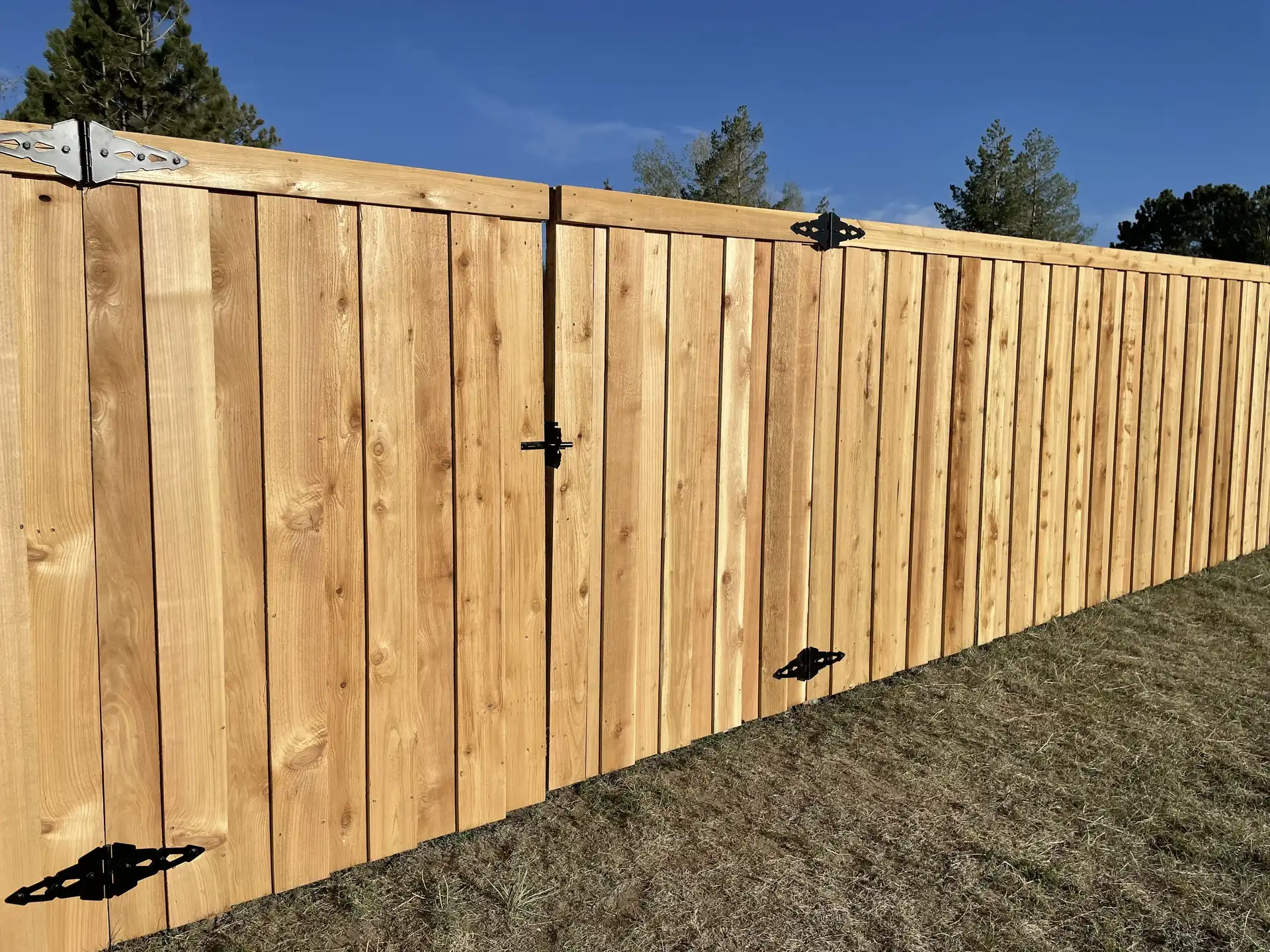
1. Traditional cedar privacy fence
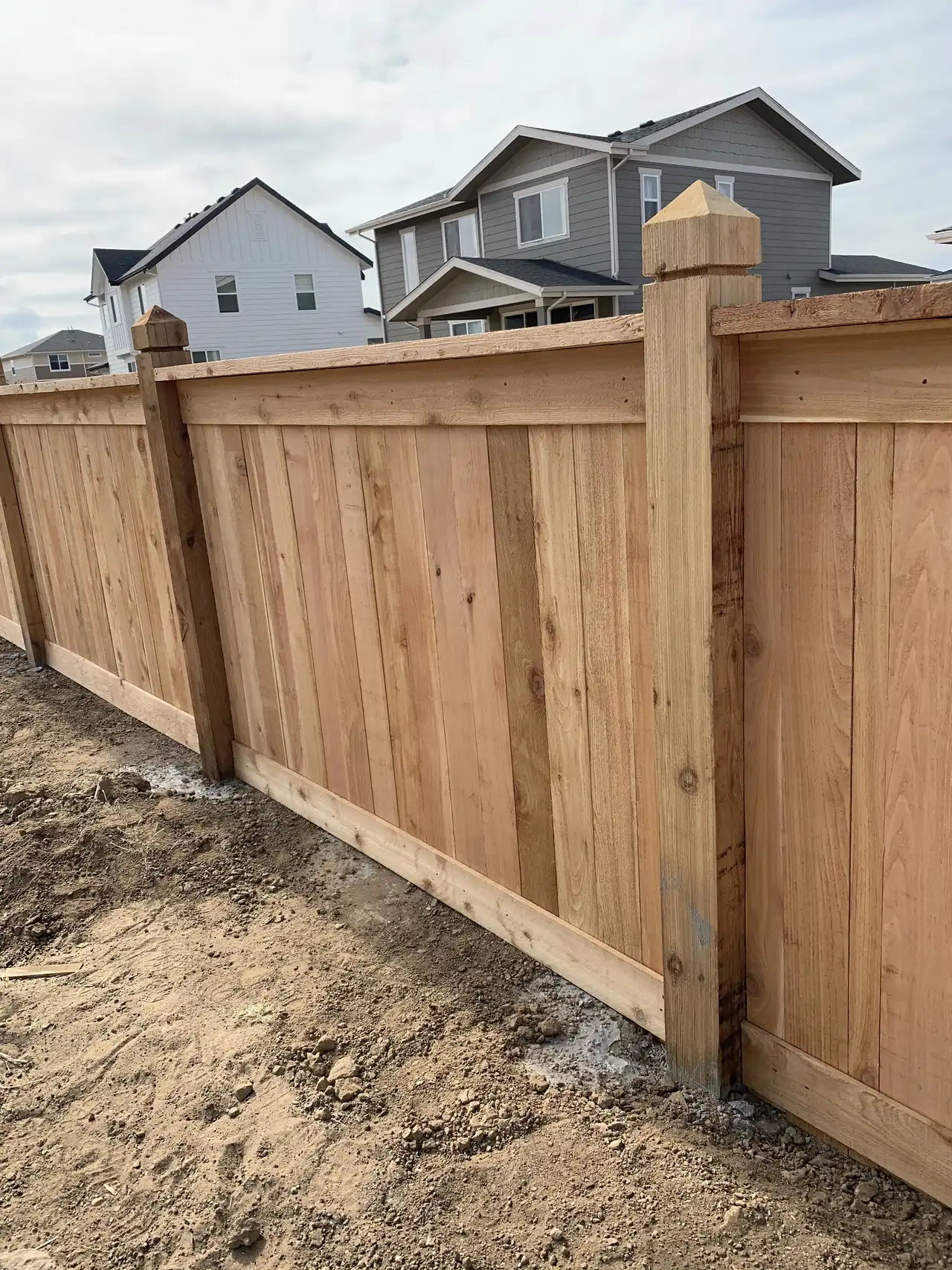
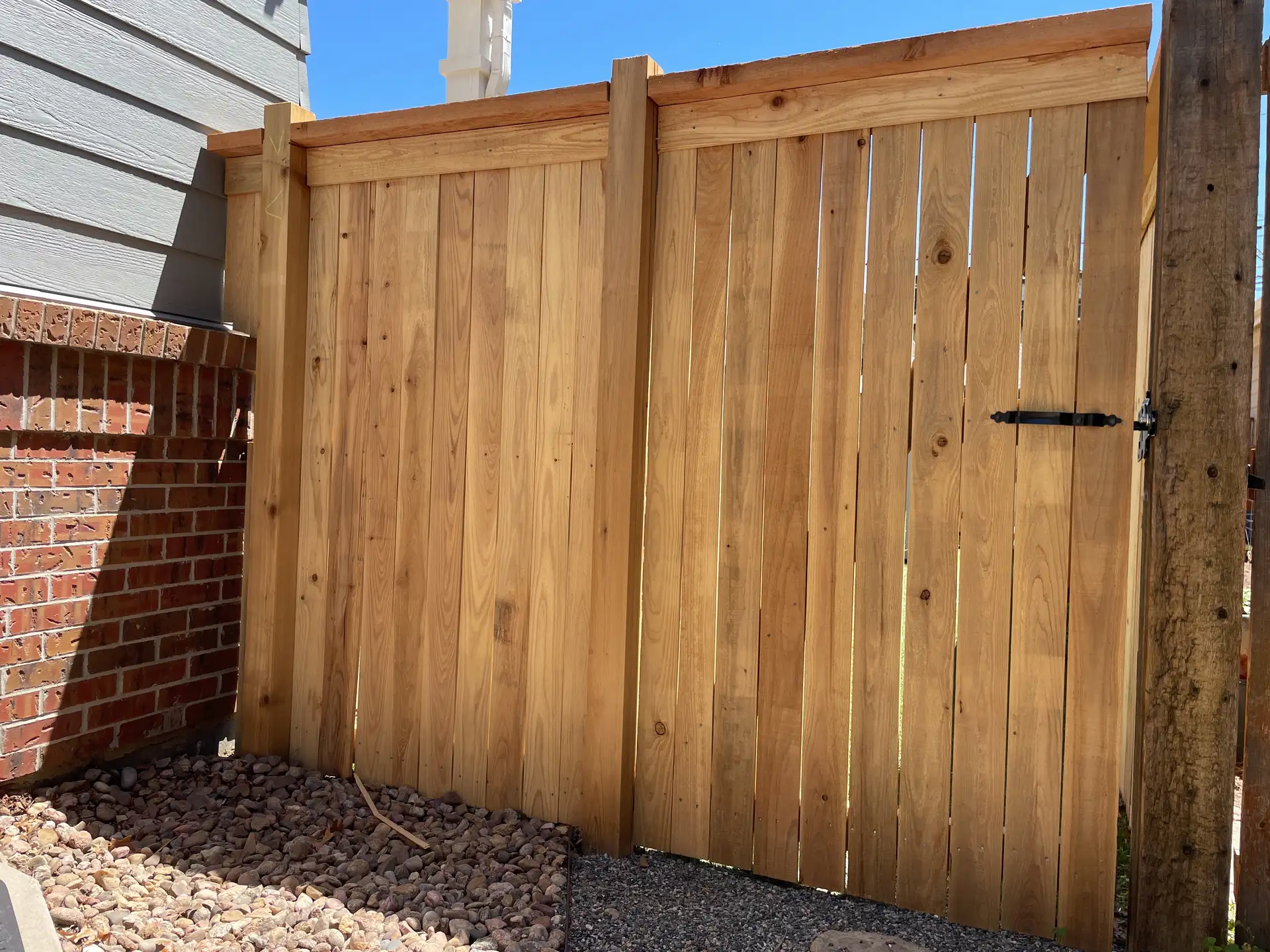
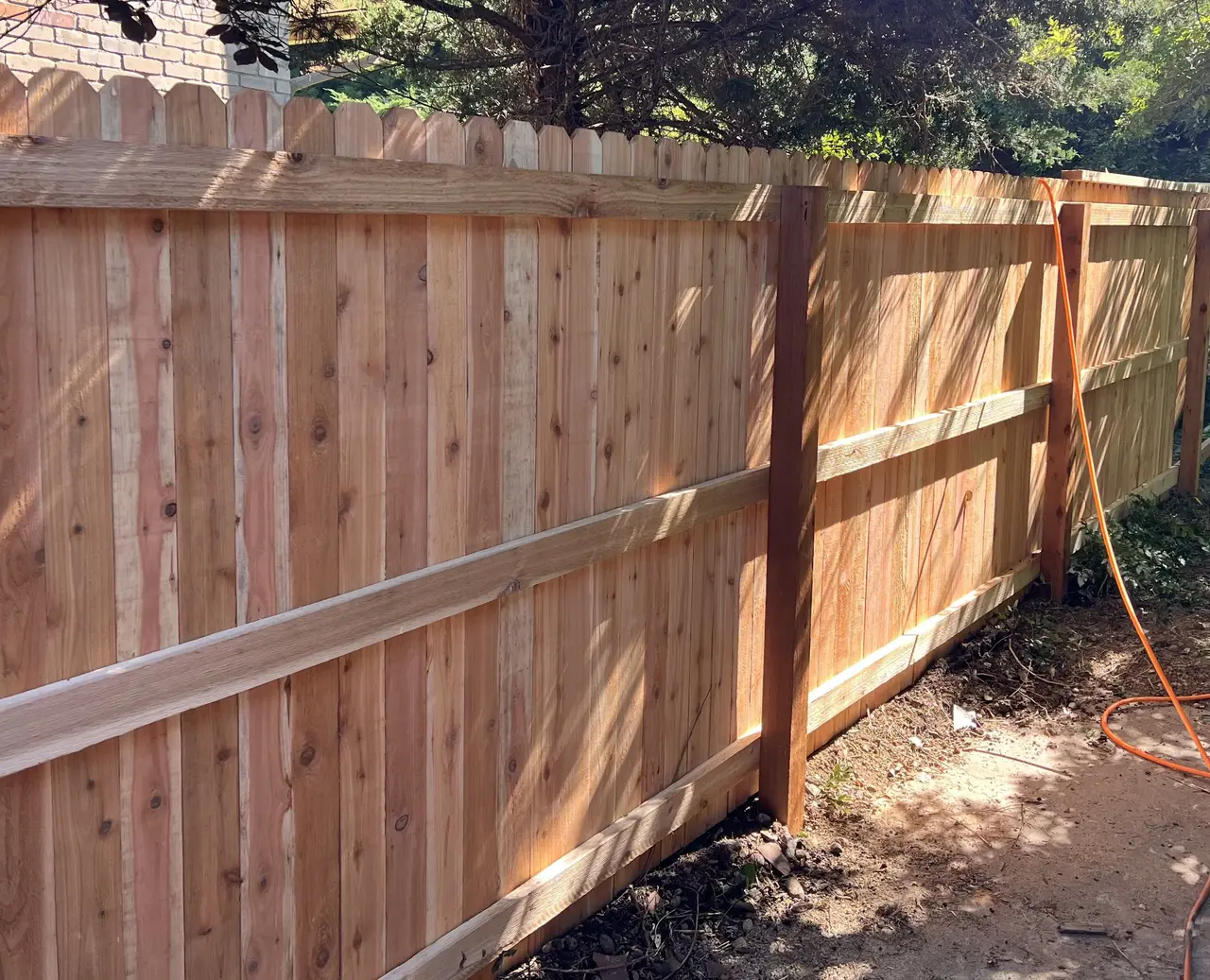
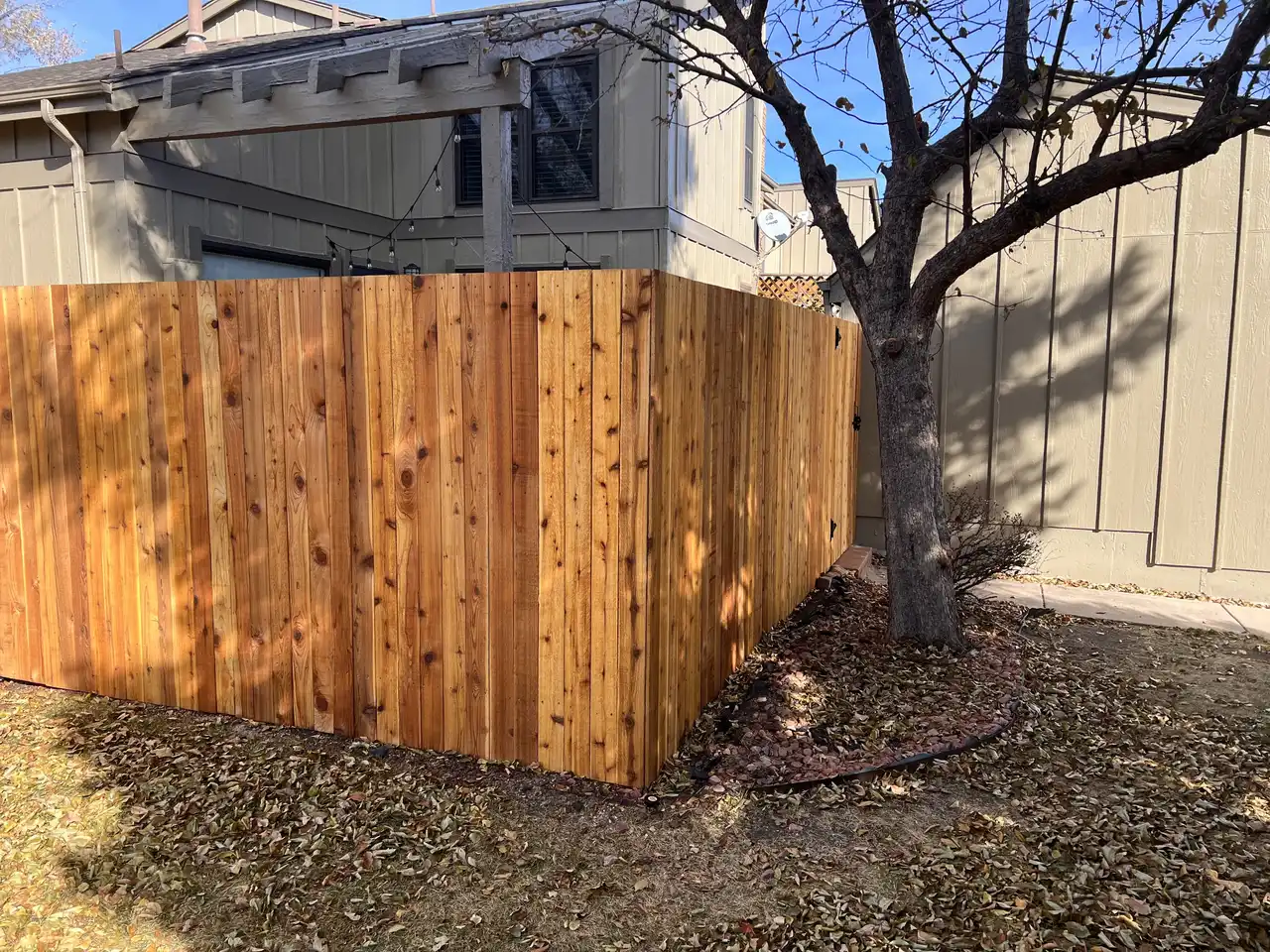
A classic cedar privacy fence is one of the most commonly approved options because it feels clean, natural, and consistent with many residential communities. It works especially well when the HOA prefers warm wood tones over painted finishes.
This style gives strong backyard privacy and a timeless look, but details matter. Many associations will specify the top profile, board width, and stain color. If your neighborhood wants a uniform appearance, a simple flat-top or dog-ear cedar fence is often easier to approve than a decorative custom pattern.
2. Board-on-board wood fence
For homeowners who want more privacy without an overly heavy look, a board-on-board design is a strong option. The overlapping boards help block sightlines while still allowing slight airflow, which can be helpful in windy areas.
This style often feels more refined than a basic stockade fence, but not every HOA will allow it if the appearance differs too much from surrounding fences. If similar homes in your neighborhood already use board-on-board construction, approval becomes more likely. If not, you may need to match the visible side and finish closely to community standards.
- Flat top
- Dog ear
- Board on board
- Spaced picket
- Horizontal
- Cap and trim
- Lattice top
3. Horizontal wood fence with simple lines
Horizontal fencing can absolutely work as an HOA-approved choice, but it depends on how modern your neighborhood design standards are. In newer communities, a clean horizontal fence with even spacing and a natural stain may be accepted as a premium architectural detail.
The trade-off is that some HOAs view horizontal fencing as too contemporary compared to traditional vertical styles. If you are considering this route, it helps to keep the design restrained. Narrow boards, consistent spacing, and neutral color choices tend to perform better in review than dramatic contrasts or mixed materials.
4. White vinyl privacy fence
Vinyl is a favorite in communities that want a uniform, low-maintenance appearance. A white vinyl privacy fence looks neat year after year and avoids the weathering differences you often get with natural wood.
For many homeowners, the appeal is simple: no staining, less upkeep, and a clean finish that stays consistent across the block. The downside is that not every HOA allows full vinyl panels, and some only permit certain colors or textures. If your association has approved vinyl elsewhere in the neighborhood, this can be one of the easiest paths to a polished result.
5. Semi-privacy vinyl fence
If your HOA is hesitant about fully enclosed fencing, a semi-privacy vinyl design can be the compromise that gets approved. These fences offer more airflow and a lighter visual presence while still creating a clear boundary.
They are particularly useful in side yards, shared property lines, and spaces where you want separation without making the lot feel boxed in. A semi-privacy style can also help soften the look of taller fencing, which matters in communities where visual openness is part of the neighborhood character.
6. Classic picket fence
A picket fence remains one of the safest choices for front yards and highly visible areas. It has broad appeal, complements many home styles, and is often favored by HOAs because it adds definition without blocking views.
Wood and vinyl picket fences can both work, depending on the neighborhood standards. The biggest variables are height, spacing, and top style. If your goal is front-yard charm rather than full privacy, a picket fence often checks the right boxes without triggering design concerns.
7. Black chain link with privacy planning
Chain link is not always the first style people picture when they think about curb appeal, but some HOAs allow black vinyl-coated chain link in rear yards or less visible sections of the property. It is practical, durable, and especially useful for pet containment.
This option tends to be approved more often when visibility is limited and the fence line does not dominate the street view. It is not the best fit for every neighborhood, but for budget-conscious homeowners who need function first, it can be a solid solution. Just be prepared for stricter limits on height and placement compared to wood or vinyl.
8. Stone-look or framed accent fencing
Some neighborhoods allow a more upgraded fence style if it complements the architecture of the home and surrounding properties. Stone-look panels or framed fence sections can create a custom appearance without going too ornate.
These designs work best in communities with higher-end exterior standards or homes with masonry elements already in place. The caution here is cost and consistency. Decorative fences can be easier to reject if they appear too unique compared to neighboring lots. When used carefully, though, they can add character while still staying within an approved palette.
How to choose the right HOA approved fence idea
The best fence for your property depends on more than the rulebook. You also need to think about what the fence has to do every day. If privacy is the top priority, cedar or vinyl privacy fencing may make the most sense. If your yard needs a lighter look or your HOA favors openness, picket or semi-privacy styles may be the better fit.
It also helps to think long term. Wood offers warmth and design flexibility, but it needs maintenance to keep its appearance strong. Vinyl reduces upkeep and keeps a consistent finish, but the style options may be narrower depending on the community. Chain link is cost-effective and durable, yet it usually works best where function matters more than visual impact.
For homeowners in the Denver area, weather should be part of the conversation too. Sun, snow, and temperature swings can affect how different materials age. A fence that looks good on paper still needs to hold up well in local conditions.
HOA approved fence ideas start with the application
A good design can still get denied if the application package is incomplete. HOAs often want more than a quick sketch. They may ask for material details, fence height, color samples, lot line placement, gate locations, and photos of the surrounding property.
This is where working with an experienced fence contractor can save time. Instead of guessing what the committee wants to see, you can submit a clear plan that reflects both your goals and the neighborhood requirements. At Regal Fencing, that usually means helping property owners narrow down styles that are realistic, durable, and worth the investment before the build ever starts.
If your HOA documents are vague, look around the neighborhood for clues. Existing approved fences often reveal what the board has historically accepted. That does not guarantee approval, but it gives you a stronger starting point than choosing a style in isolation.
Common mistakes that slow down approval
Most fence delays come from avoidable issues. Homeowners sometimes choose a height that exceeds the limit, submit a color that does not match approved finishes, or overlook the fact that corner lots often have extra visibility restrictions. Another common problem is assuming that because a fence exists somewhere in the neighborhood, it was formally approved.
There is also the matter of property lines. A beautiful fence in the wrong location can create bigger problems than an HOA denial. Before installation, make sure the layout is accurate and consistent with any community setbacks or easement rules.
A little planning upfront usually costs less than redesigning or replacing a noncompliant fence later.
The right fence should feel like it belongs, not just on your property, but in your neighborhood. When you balance HOA rules with the privacy, security, and appearance you actually want, the result is a fence that adds value without adding stress.