The morning after a windstorm tells the story fast. A leaning post, loose panels, a gate that no longer lines up or sections scattered across the yard all mean the same thing. The fence needs repair sooner, not later.
A damaged fence affects privacy, security and pet safety, and it can be a hazard to neighbors. Wind damage is also not limited to the pieces that look broken. A fence can stay standing with weakened posts and loosened fasteners that will fail in the next storm.
Where should you start after a windstorm?
Start with a safe, honest inspection. If a section is hanging, splintered or resting near utility lines, do not move it until a professional has looked at it. The same goes for heavy gate frames and panels that are partly detached.
Once the area is safe, ask one question. Did the wind damage a single section, or did it expose a bigger structural problem? A cracked picket is one thing, and several loose posts or rails pulling off their fasteners is another.
Look at the posts first. When they shift, lean, crack or pull out of the ground, the rest of the fence follows. In Colorado, freeze and thaw cycles and dry soil movement already work on posts before the wind arrives.
What does fence repair after wind damage usually involve?
It depends on the material, the age of the fence and how it was first installed.
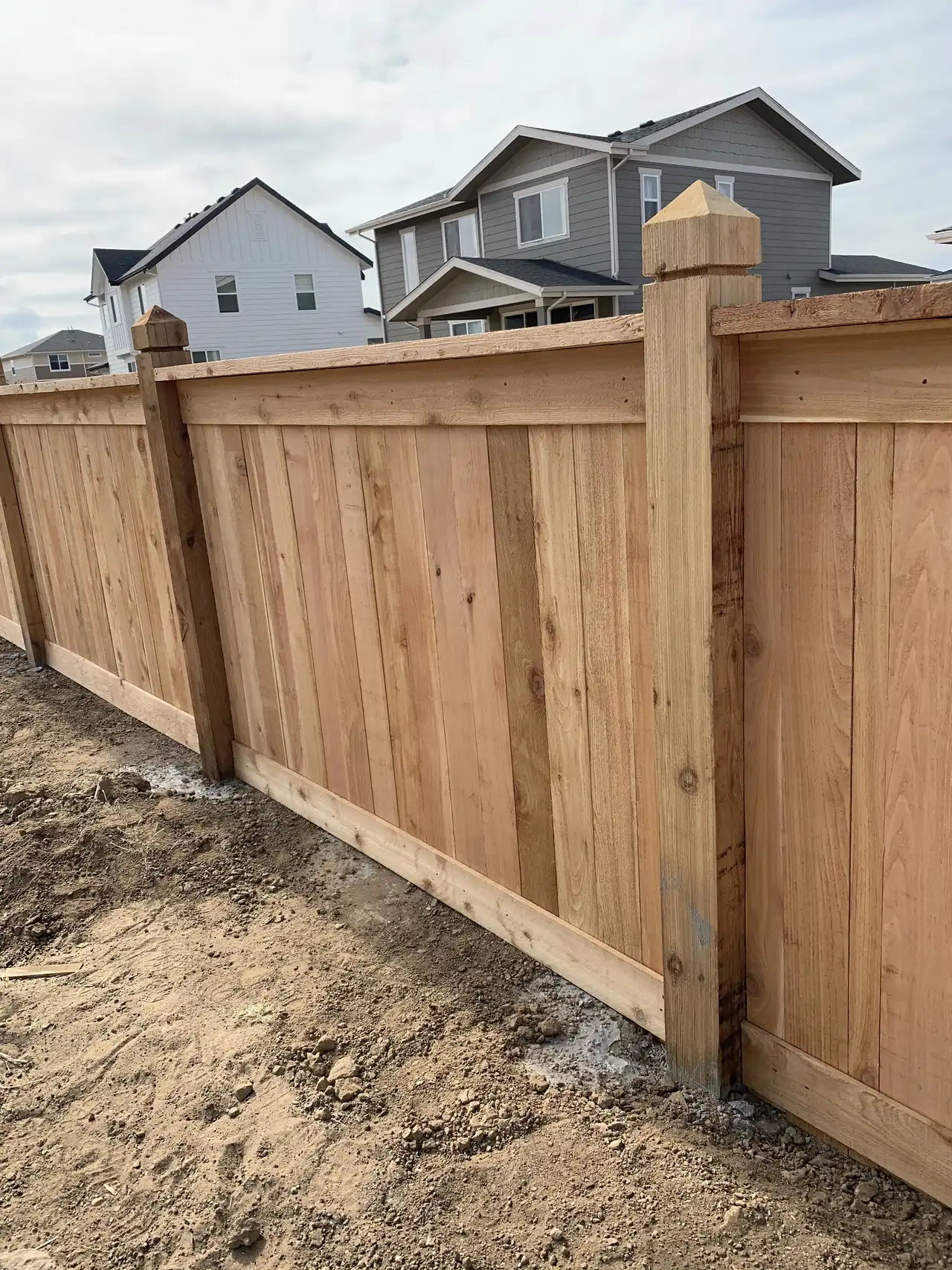
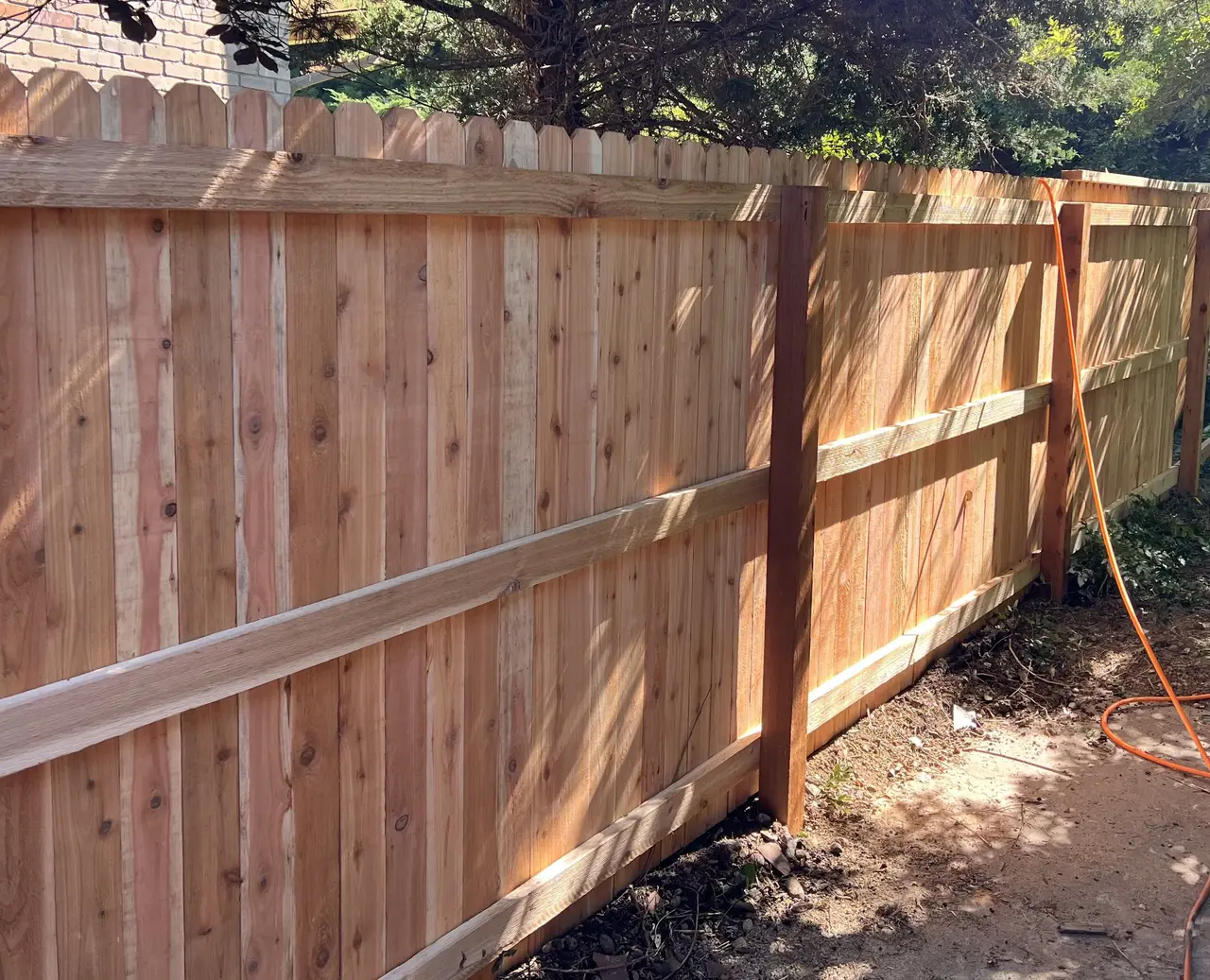
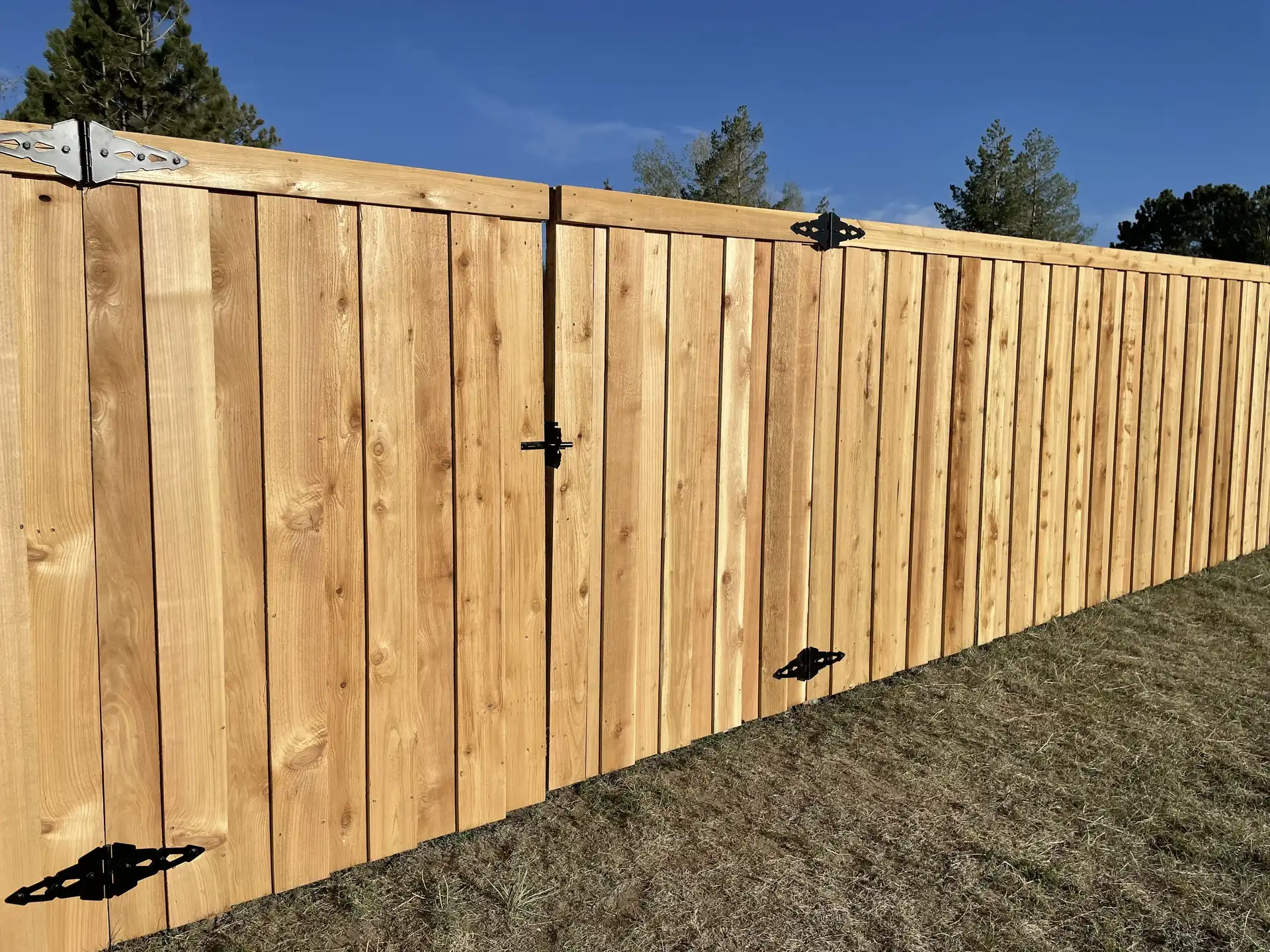
Wood fences show damage in obvious ways. Panels detach, rails split, pickets snap and posts lean or break at ground level. If the posts are solid, replacing rails, pickets or one panel is a cost effective repair.
If the posts are compromised, patchwork will not last. Replacing those posts and rebuilding the section is the better investment. On board on board and horizontal fences, the repair also has to match the existing look.
Vinyl handles moisture well, but high wind can crack panels, pop rails loose and stress the posts. Vinyl does not bend and recover the way wood can. Single panels or rails can often be swapped, though damaged post reinforcement needs more than a swap.
Chain link often survives wind better than a solid privacy fence because air passes through it. Wind can still bend top rails, loosen mesh, pull posts out of line and damage gates. Repairs are simple if the posts are stable and more involved if the framework is bent or the footings have shifted.
Should you repair or replace the fence?
It depends on what failed. If the damage is limited to one area and the rest of the fence is sound, repair usually makes sense. A few new posts, rails or panels restore the fence without the cost of a full rebuild.
If the wind exposed widespread weakness, replacement may be the smarter move. That often happens with older fences that already had rot, rust, shallow posts or earlier patches. Fixing one section can then lead to another failure a month later.
A good contractor tells you when a repair is worth doing and when it only delays the inevitable. The goal is to make sure the money you spend solves the problem.
Why does post failure change everything?
When a fence blows over, most people look at the panels. The real story is often underground. Posts may have been set too shallow, set without enough concrete, or weakened by moisture and soil movement.
Frost and swelling clay work on the ground around a post every winter and every wet spell, and a post that has already loosened goes first in wind. When Regal resets a post, it goes 24 to 36 inches deep.
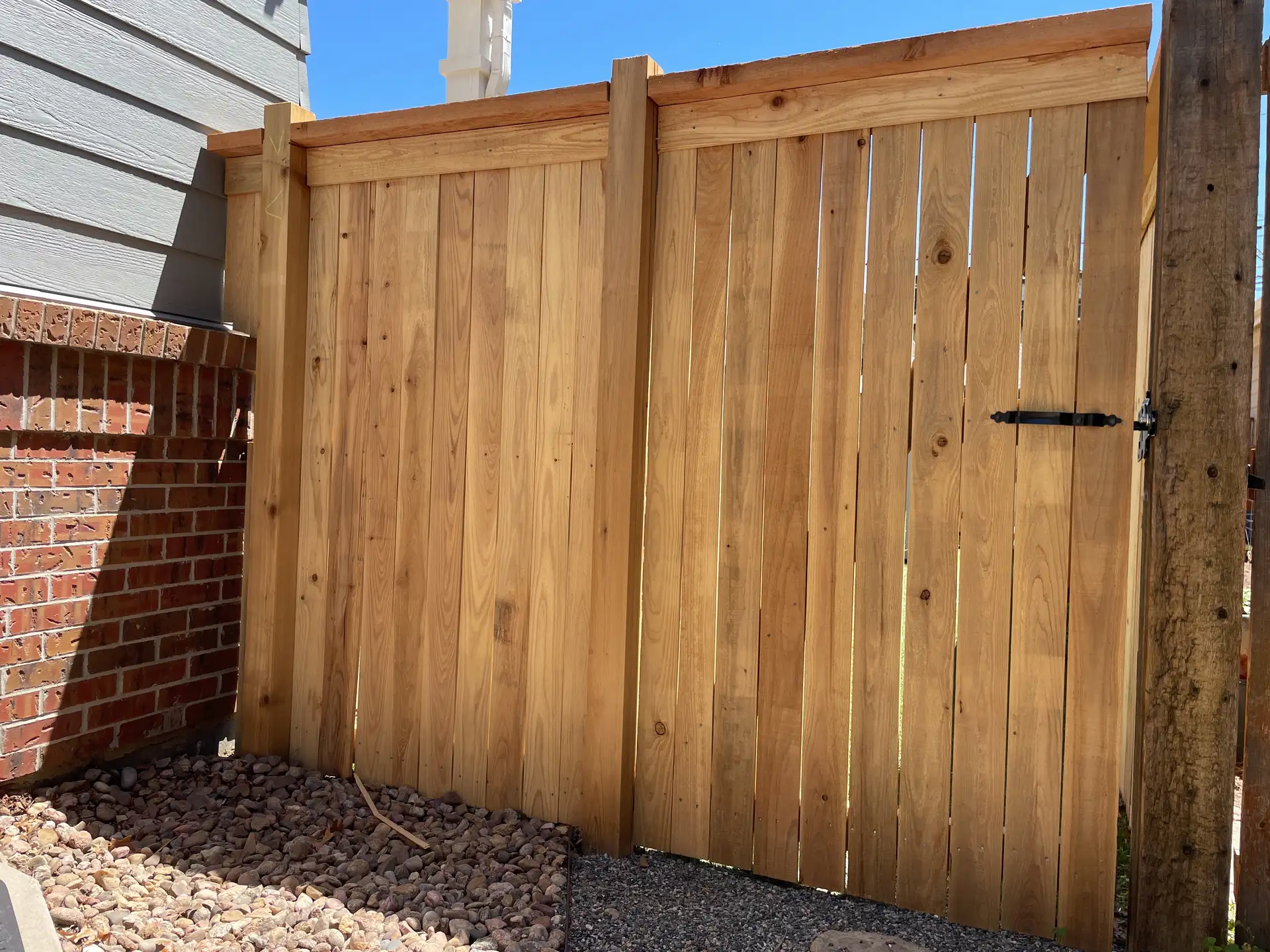
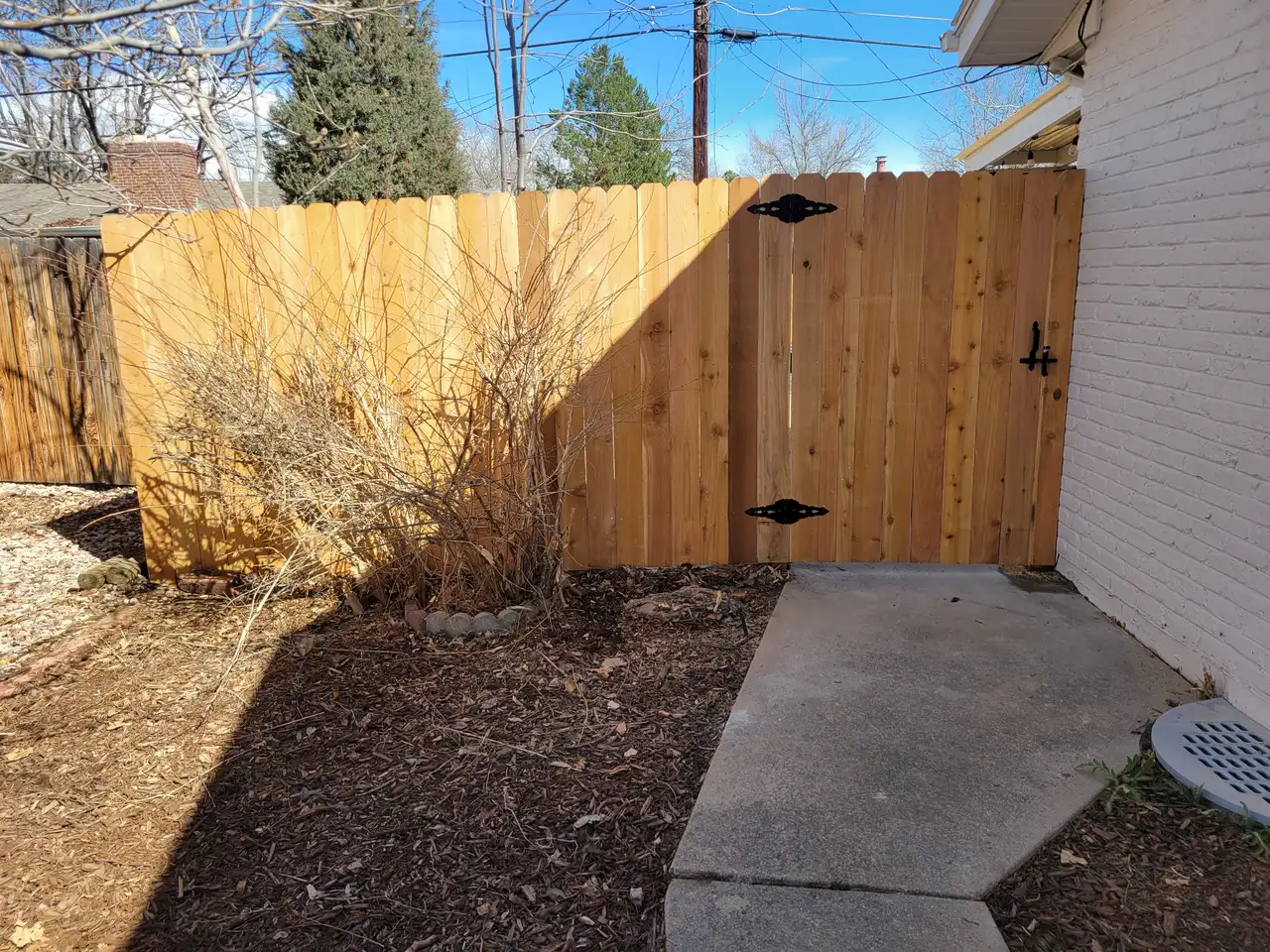
A rebuilt panel will fail again if the post under it is unstable. This matters most for privacy fences, taller custom builds and gates, which take more wind load than open designs.
Why does timing matter?
Small problems rarely stay small outdoors. A loose panel pulls on its neighbors. A leaning post strains rails and fasteners, and a misaligned gate wears its hinges and latch every time it is used.
If the fence secures a yard for kids or pets, delay is a daily risk. For commercial properties, visible damage affects appearance, perimeter control and liability.
Prompt inspection usually costs less than waiting for more failure. That does not mean every fence needs emergency replacement. Early action simply gives you more repair options.
How do you make repairs last?
A lasting repair corrects the reason the fence broke. That can mean deeper or better supported posts, stronger fasteners, a reinforced gate, or new material where the old has reached the end of its life.
Be realistic about style. A full privacy fence gives great seclusion and also catches more wind than an open design. In exposed spots, material and layout make a real difference over time.
Storm repair can also be a good time for practical upgrades. A rebuilt section can match the existing fence while adding strength where it matters, and you can ask about our free steel posts.
What should you expect from a professional estimate?
A solid estimate goes past a glance at the broken section. It covers the posts, rails, panels, gates and adjoining sections, and whether the repair will blend with the rest of the fence.
Expect plain talk about trade offs. Sometimes a lower cost repair is right. Sometimes it only makes sense if you know the rest of the fence may need work later.
Regal Fencing repairs any fence, and in Jackson Vann's words the service "fixes leaning posts and storm damage for much less than a new fence." The estimate is free, done on site and comes with a written price.