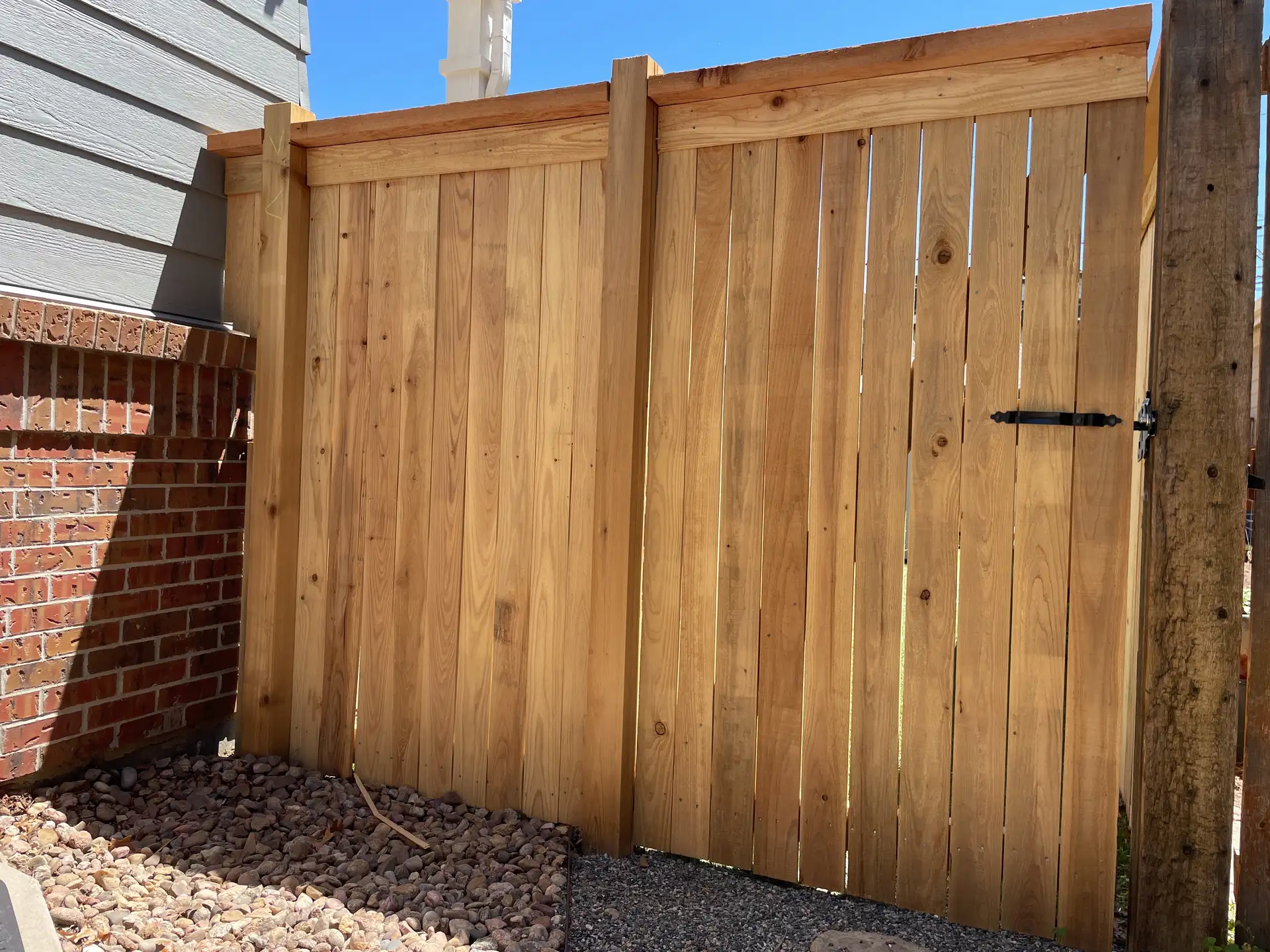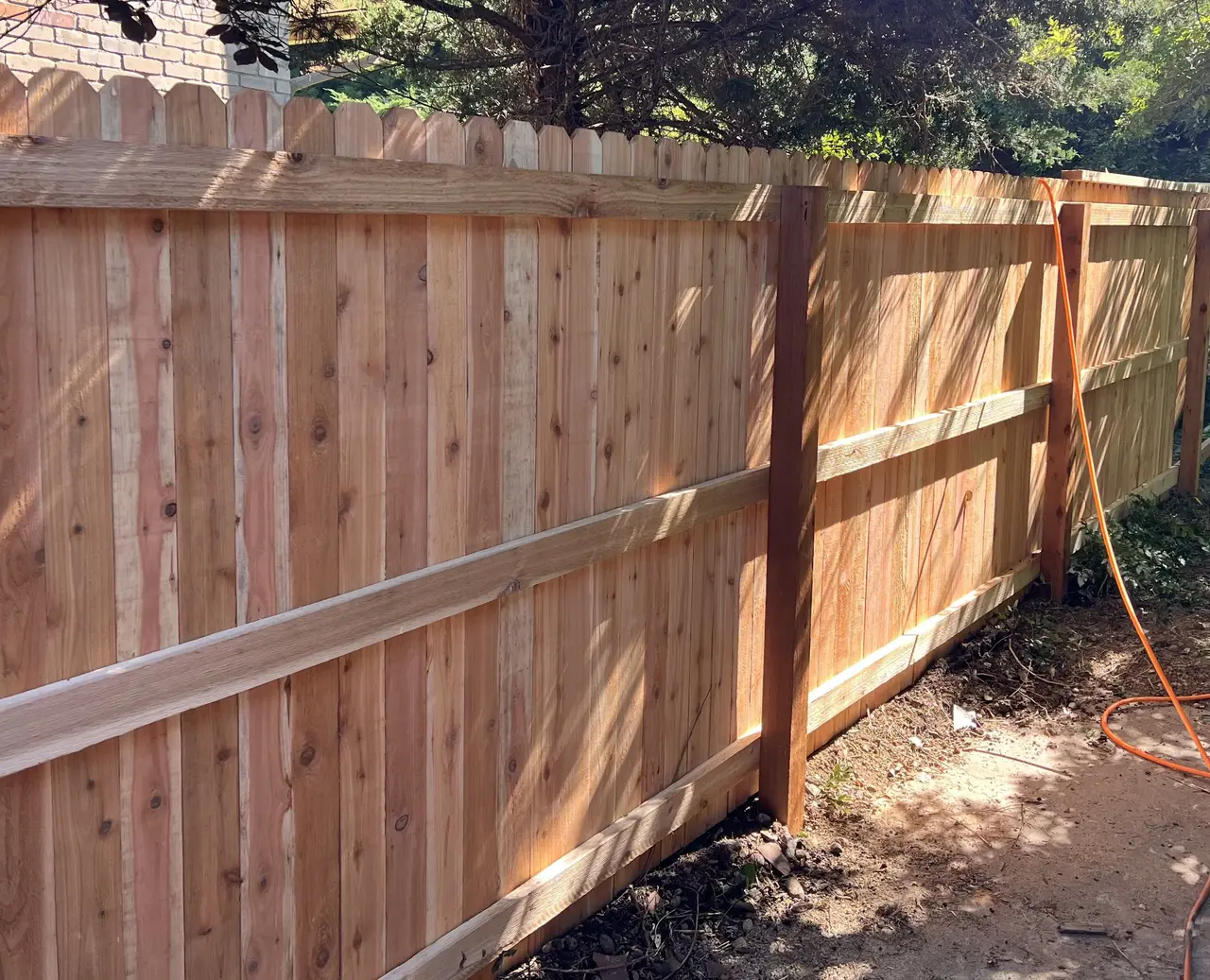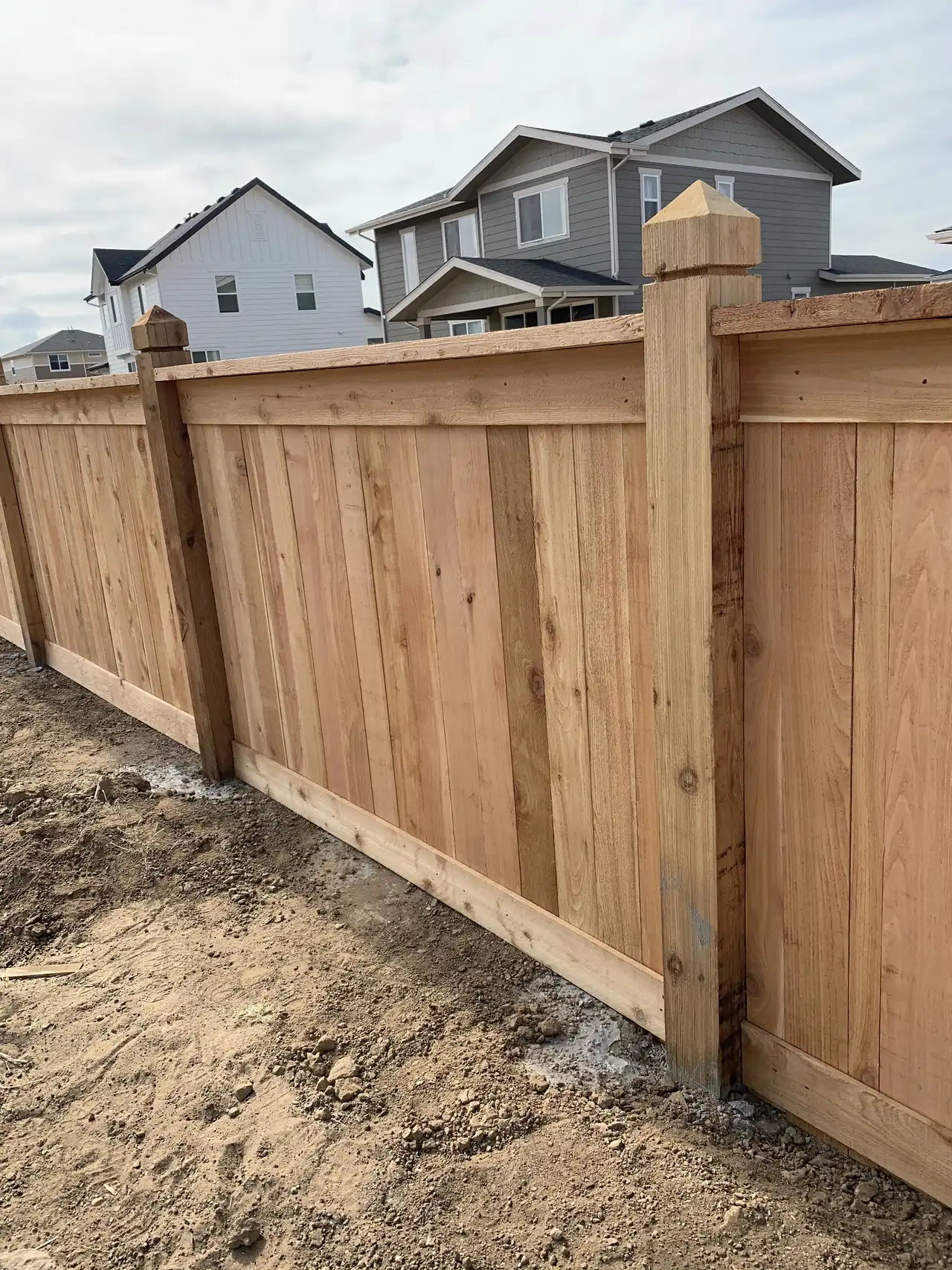
A fence rarely fails all at once. It starts with one leaning section, a gate that drags, or a post that shifts after heavy wind or spring moisture. That is the point where replacing a post can save the rest of the fence from bigger damage.
Posts do the structural work nobody thinks about until something moves. When a post loses strength, the whole line can sag, separate or pull out of alignment.
Why do fence posts fail in the first place?
Most fence problems trace back to ground level or just below it. Wood posts rot where moisture gets trapped near the base. Metal posts loosen if the footing around them cracks or shifts.
Newer fences can have problems too, if the original depth was too shallow for the soil or the weight of the fence. Regal sets fence posts 24 to 36 inches deep.
Weather does the rest. Wind adds stress over time, especially on privacy fences with large solid sections. Snow and moisture soak the ground, then freezing moves the soil around the post, and the line leans a little more each season.
Sometimes the cause is impact. A vehicle backing into the fence, a falling tree limb or repeated gate stress can damage one or two posts while the rest still looks usable.
When does post replacement make more sense than a full replacement?
A full replacement is not always necessary. If the rails, pickets, panels and layout are in good condition, new posts can restore stability without rebuilding everything. This is often the right move when only a limited section is affected.
It depends on the age and condition of the whole fence. If several posts are failing at once, or the wood is broadly deteriorated, isolated repairs may only delay a larger project. A good contractor is honest about that.
For owners watching the budget, the distinction matters. Replacing the right posts at the right time extends the life of the fence before a larger investment is needed.
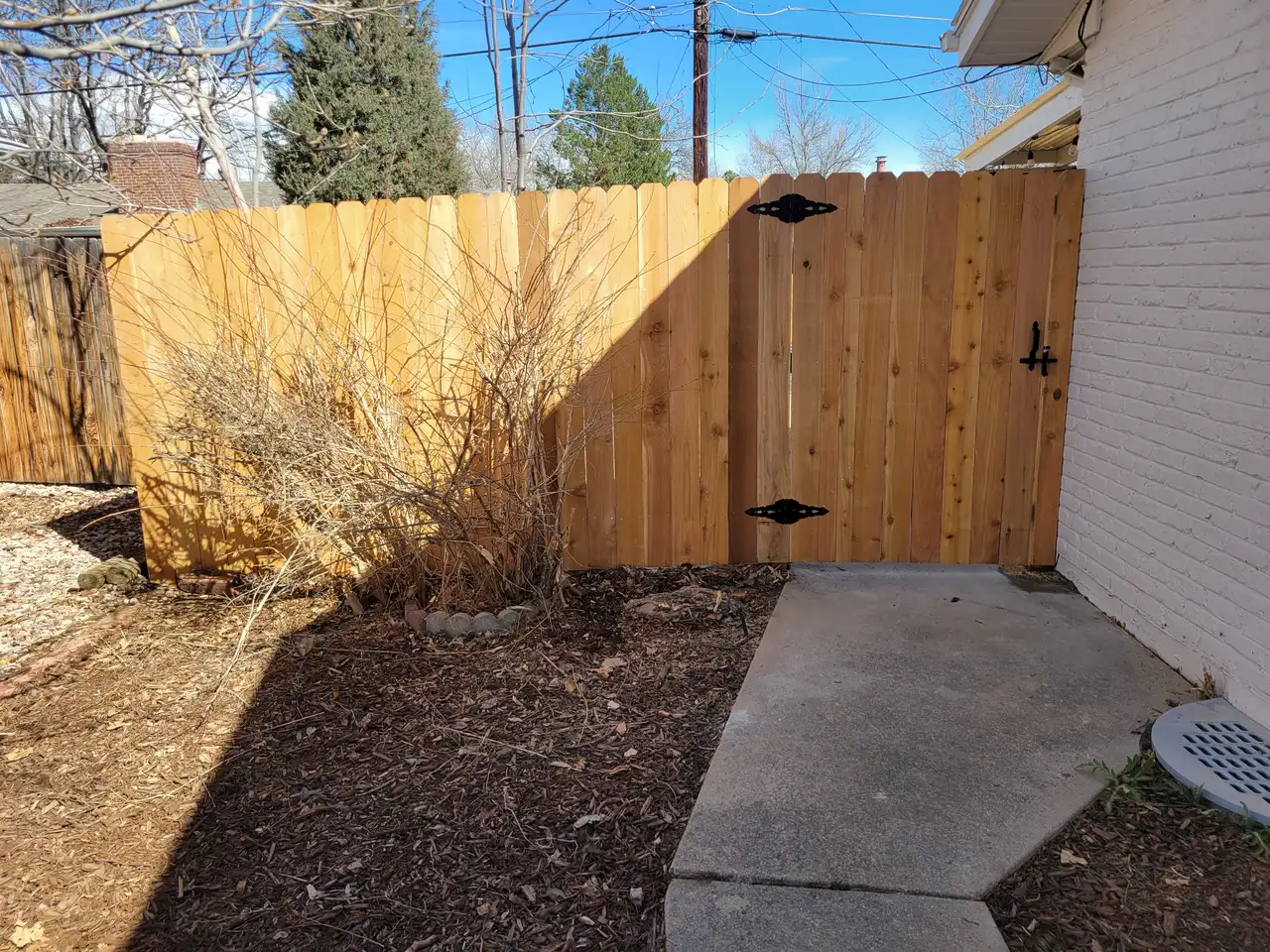
What should a professional fence post replacement include?
A quality repair starts with inspection, not assumptions. The lean may come from one failed post, several weak posts, failing rails, gate stress or a mix. Fixing only the obvious problem can leave the fence unstable.
The replacement should restore the structure, not just make the fence look straight for now. That means removing the damaged post properly, checking the footing area, setting the new post at the correct depth and reconnecting the sections cleanly. The repaired section should blend in with the rest of the fence.
On wood fences, nearby rails and pickets should be checked for hidden damage from the movement. On chain link and some vinyl systems, one post set off center affects tension, panel fit and gate operation.
What signs mean you should not wait?
A leaning fence may seem cosmetic, but delay makes the repair larger. Once a post shifts, the sections next to it carry stress they were not built for. That leads to broken rails, split pickets, misaligned gates and more failed posts.
Watch for a gate that stops latching or drags on the ground. Watch for movement when the wind picks up or when you push lightly on the fence. Cracking at the base of a post, soft or rotted wood near grade, and concrete footings lifting or separating are warning signs too.
For homes with pets or children, a weak fence can open a security gap quickly. For commercial properties, a failing perimeter affects liability, access control and presentation.
How does the fence material change the repair?
Wood is the material most likely to show rot over time when drainage, sealing or installation work against it.
Vinyl post repairs need careful handling to keep the look of the connected panels and sleeves. Chain link is practical and durable, but tension and alignment become critical when a post is replaced.
The repair should fit the fence style, the site and the age of the materials. No single method works equally well on every property.
What is different about fence posts in the Denver area?
Fences here deal with dry spells, sudden storms, snow, intense sun and seasonal ground movement. Those swings are hard on posts, especially older wood ones. They also decide how quickly a small issue becomes a visible lean.
Appearance matters too. Most homeowners want the repair to protect curb appeal and privacy and to stay in line with HOA expectations. A visibly patched section stands out in the wrong way.
Regal Fencing repairs any fence. We recommend a repair where it makes sense and say so plainly when a larger replacement would serve the property better.
Should you repair now or upgrade later?
Some post problems are simple repairs. Others are a chance to think bigger. If you already dislike the height, style, privacy level or layout of the fence, a limited repair may not be the best use of money.
If the fence still suits the property and the damage is isolated, post replacement is a smart investment. The answer depends on how you use the space, how long you plan to stay and the condition of the rest of the fence.
A fence does not need to collapse before it deserves attention. Regal Fencing gives a free on site estimate with a written price, and you can ask about our free steel posts while we are there.