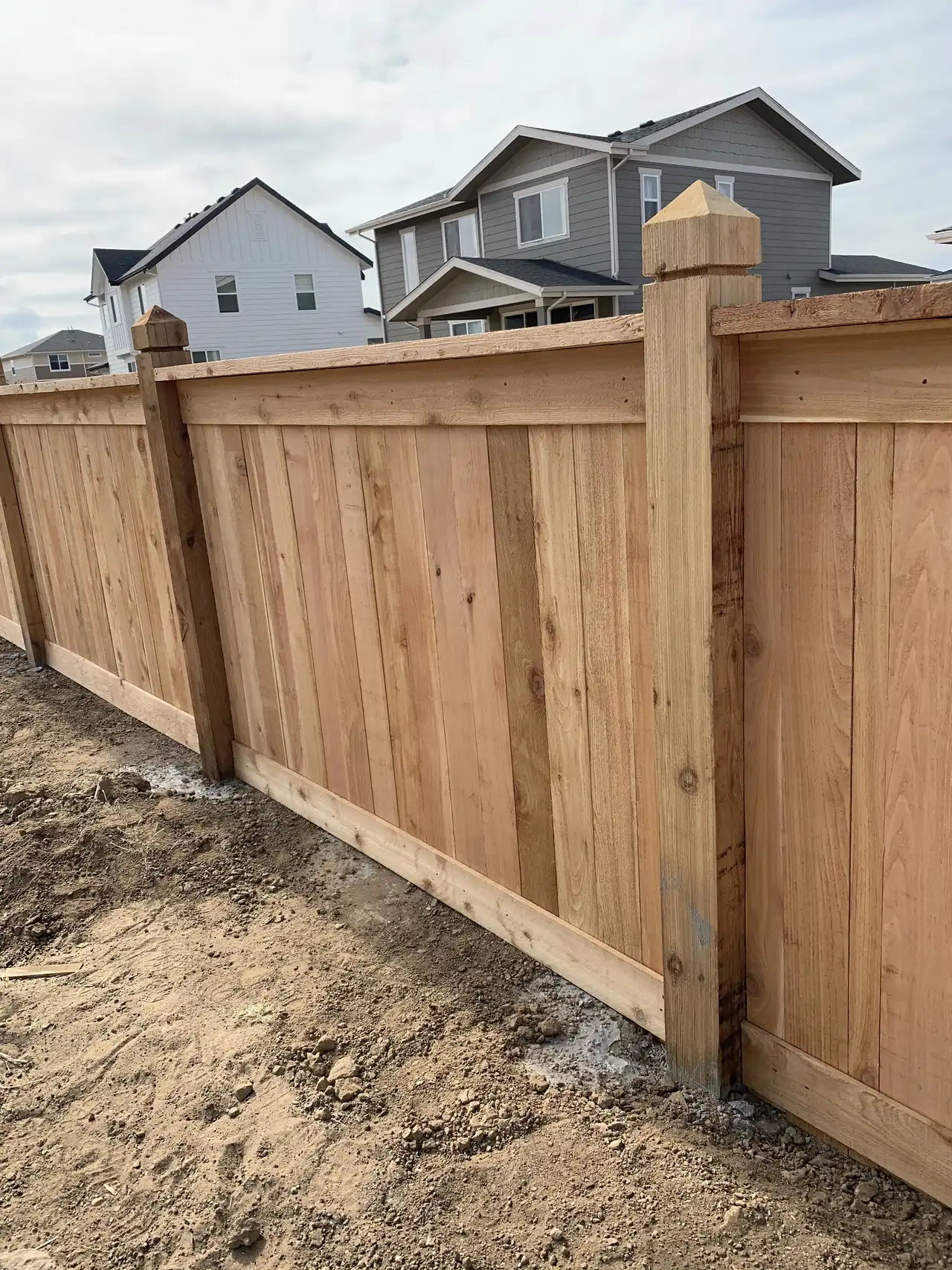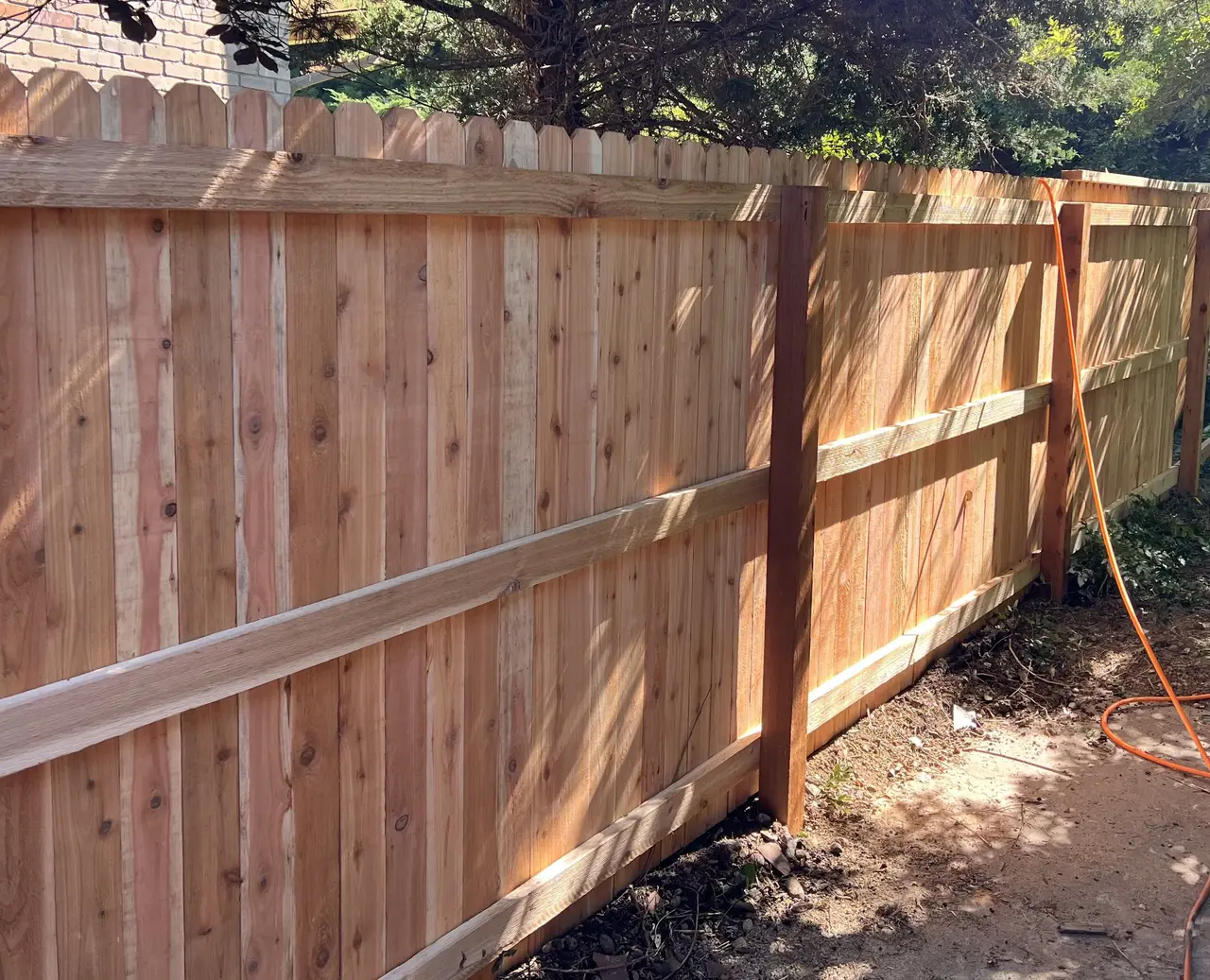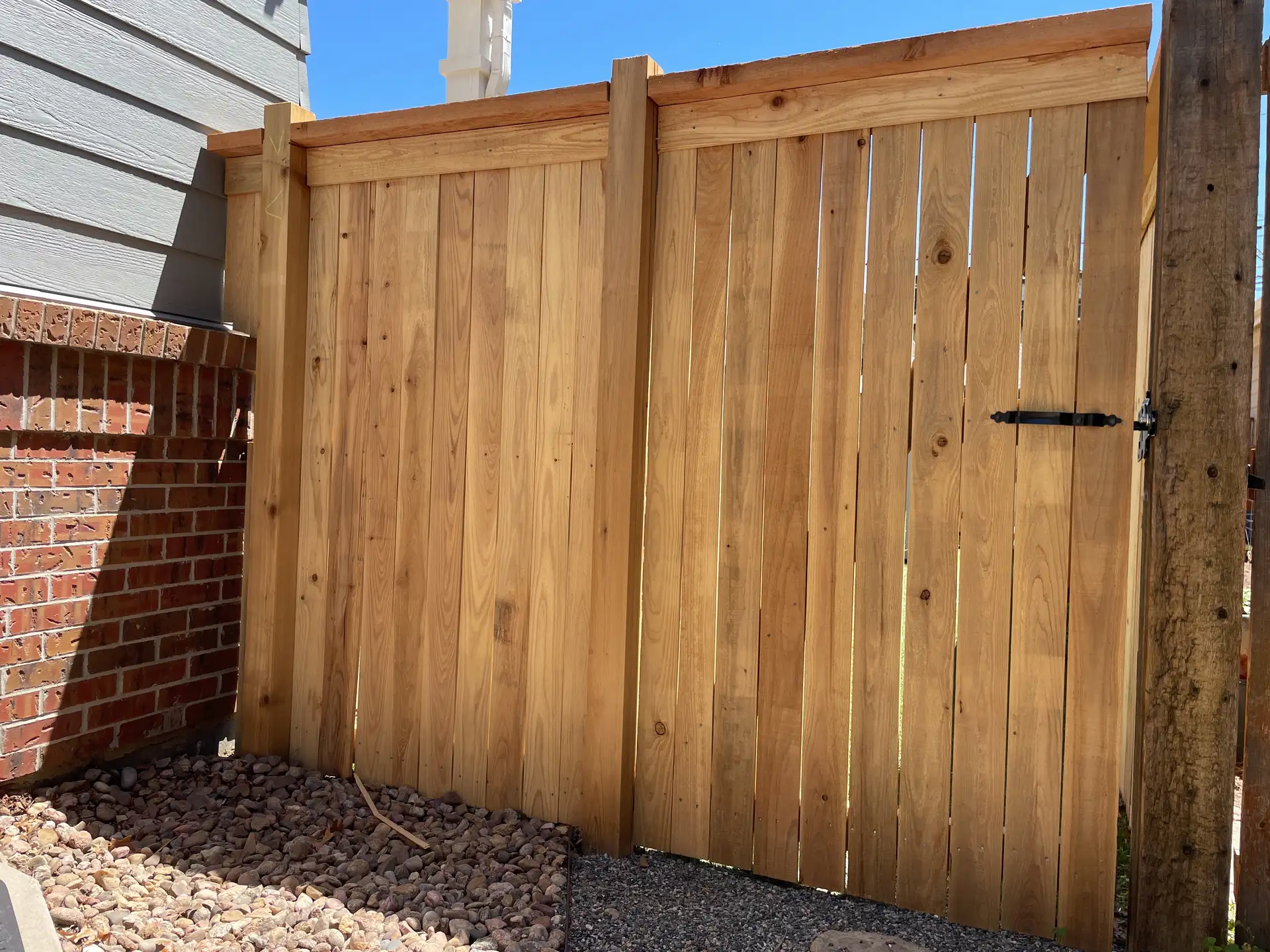
A fence usually starts as a practical project. You need privacy, a safer yard for kids or pets, a cleaner property line, or new panels after one too many Colorado winters. Custom design can do more than solve that problem.
The best custom fence is not just attractive from the street. It has to fit the layout of the property, hold up over time and suit your budget, your maintenance preferences and any HOA requirements.
What makes custom fence design ideas worth it?
A custom fence gives you control over the details that affect daily use. Height, board spacing, top trim, post caps, gate placement and material all shape privacy, security, curb appeal and lifespan.
That does not mean choosing the most elaborate style. Often the right design solves a few specific needs very well. A yard with close neighbors needs stronger privacy, and a corner lot needs a fence that looks good from several angles.
Which custom fence design ideas give privacy and curb appeal?
1. Board on board wood: the overlapping boards block sightlines better than side by side pickets and still allow for wood movement. The pattern looks finished from both sides, which helps on shared boundaries, and it uses more material than a basic privacy fence.
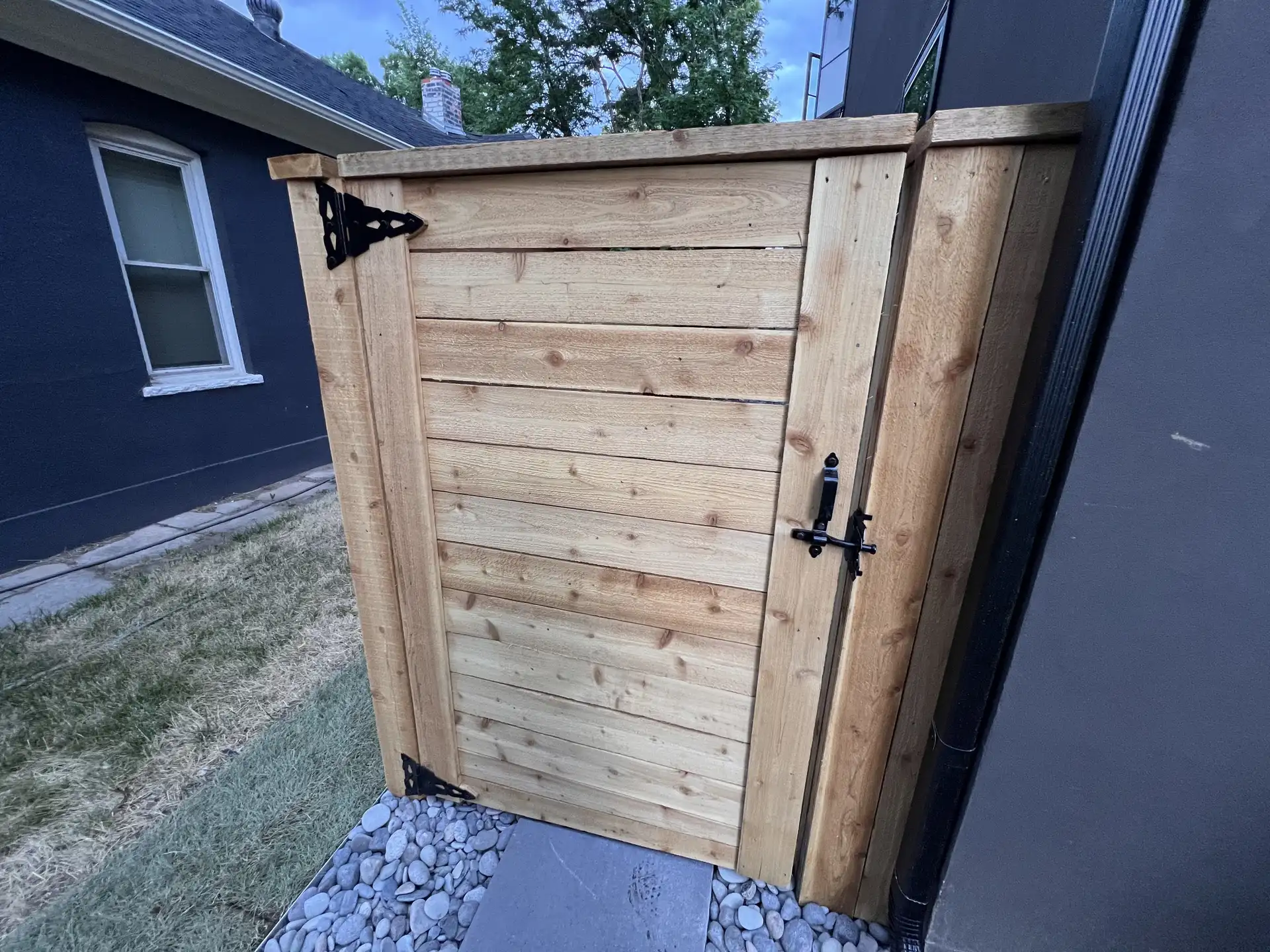
2. Horizontal wood: it gives a yard a cleaner, more modern look. Tight spacing adds privacy, and small reveals keep the fence lighter.
A horizontal fence needs proper framing and quality materials to prevent sagging, especially where the weather swings.
3. Picture frame panels: trim around each section gives a standard privacy fence a more finished appearance without making it ornate.
Which custom fence design ideas depend on the material?
4. Wood with decorative top details: you can change the top profile with cap and trim, a lattice accent, dog ear pickets or a gentle arch over gates. Use restraint, because too many decorative elements look busy on a small lot.
5. Vinyl with a stone look finish: it gives the appearance of masonry without the same weight or maintenance. It tends to cost more than standard vinyl and suits street facing sections, side yards and commercial spaces.
6. Chain link with privacy enhancements: privacy slats, darker coated finishes and planting along the line make it look more intentional. It is a smart choice for larger yards, pet areas and commercial properties where visibility, security and cost all have to balance.
Which design choices change the final result?
7. Mixed height layouts: not every section has to be the same height. You might want full privacy in the backyard and a lower profile near the front, which helps when HOA or city rules limit front yard height but allow more privacy elsewhere.
8. Custom gates that match the fence: a gate is where many fences lose their consistency. Matching board layout, hardware finish and trim gives a cleaner result, and Regal Fencing builds single, double, sliding and rolling gates.
9. Post caps, trim and finishing details: these often separate an average fence from one that looks custom.
10. A stain color chosen on purpose: a darker stain looks rich but may show sun fading sooner. Lighter natural tones feel warmer and more casual, and the right pick depends on the home and the landscaping.
- Flat top
- Dog ear
- Board on board
- Spaced picket
- Horizontal
- Cap and trim
- Lattice top
How do you choose the right custom fence design?
Start with the main job the fence has to do. Is it privacy, security, pet containment, appearance or replacing a damaged structure? Most fences do more than one thing, but ranking the top need makes the design easier.
If privacy leads, board on board wood or full panel vinyl may make the most sense. If appearance and low maintenance lead, decorative vinyl or a clean horizontal design may fit better. On a large perimeter, cost may point to chain link with select upgraded sections.
Be honest about maintenance. Wood offers warmth and flexibility, and staining and repairs are part of owning it. Vinyl cuts maintenance with a different look and feel, and chain link is durable but less private unless modified.
Plan around your property, not the style photo. Grade changes, landscaping, retaining walls, visibility from the street and gate access all affect what will work. A site specific estimate turns inspiration into a fence that fits.
When does a custom fence make the biggest difference?
Custom design matters most when the property has unusual challenges or the fence will be highly visible. Corner lots, sloped yards, close rear neighbors and HOA guidelines all reward careful planning. So do commercial properties that need security and a professional look.
In the Denver area, weather is part of the equation. Sun, freeze and thaw cycles and wind all affect how a fence performs. A good design supports durability with the right materials, spacing, posts and finishes.
Regal Fencing designs for slopes and odd shaped yards and helps with HOA approval. It starts with a free on site estimate from Jackson Vann and a written price.