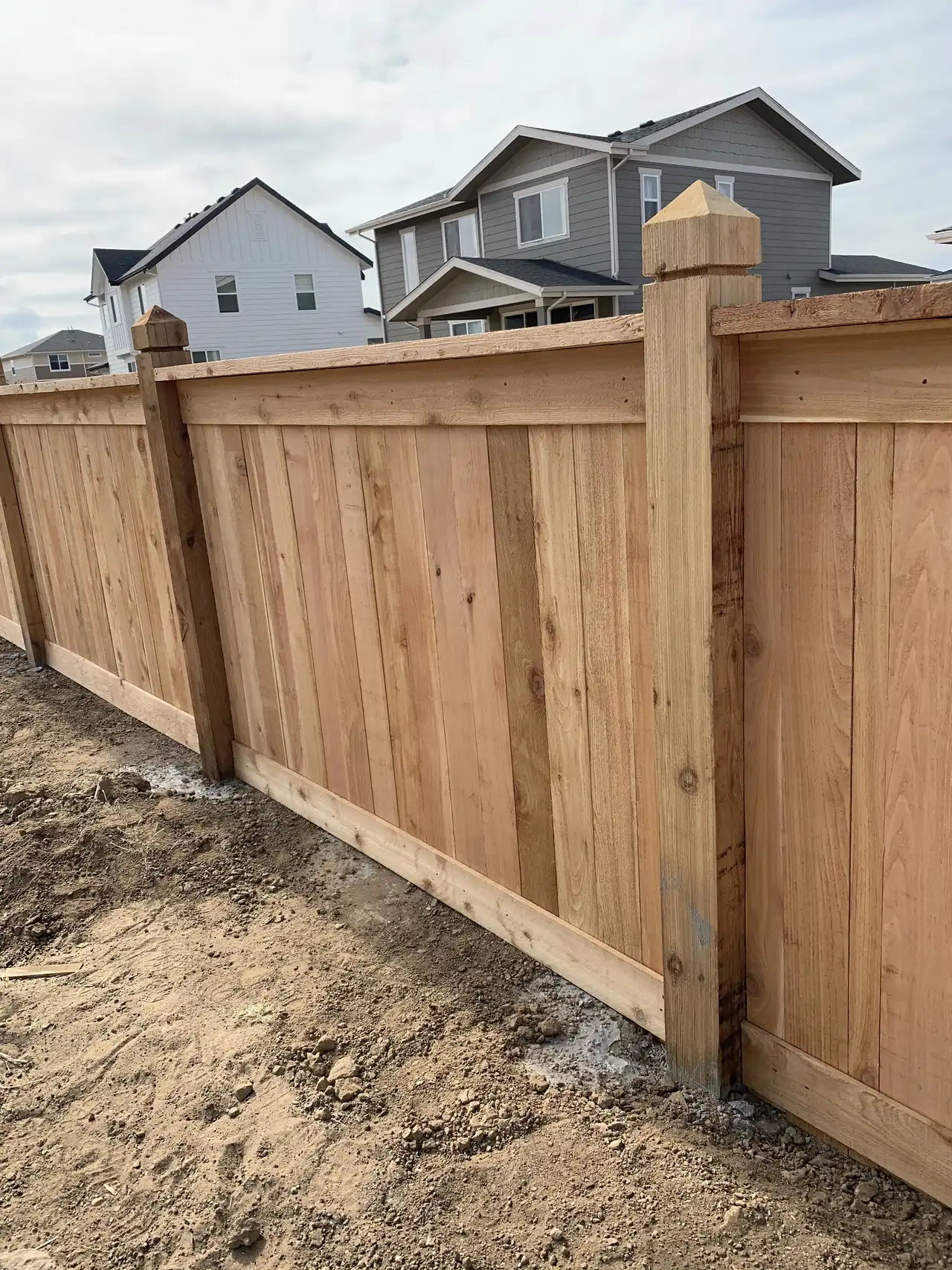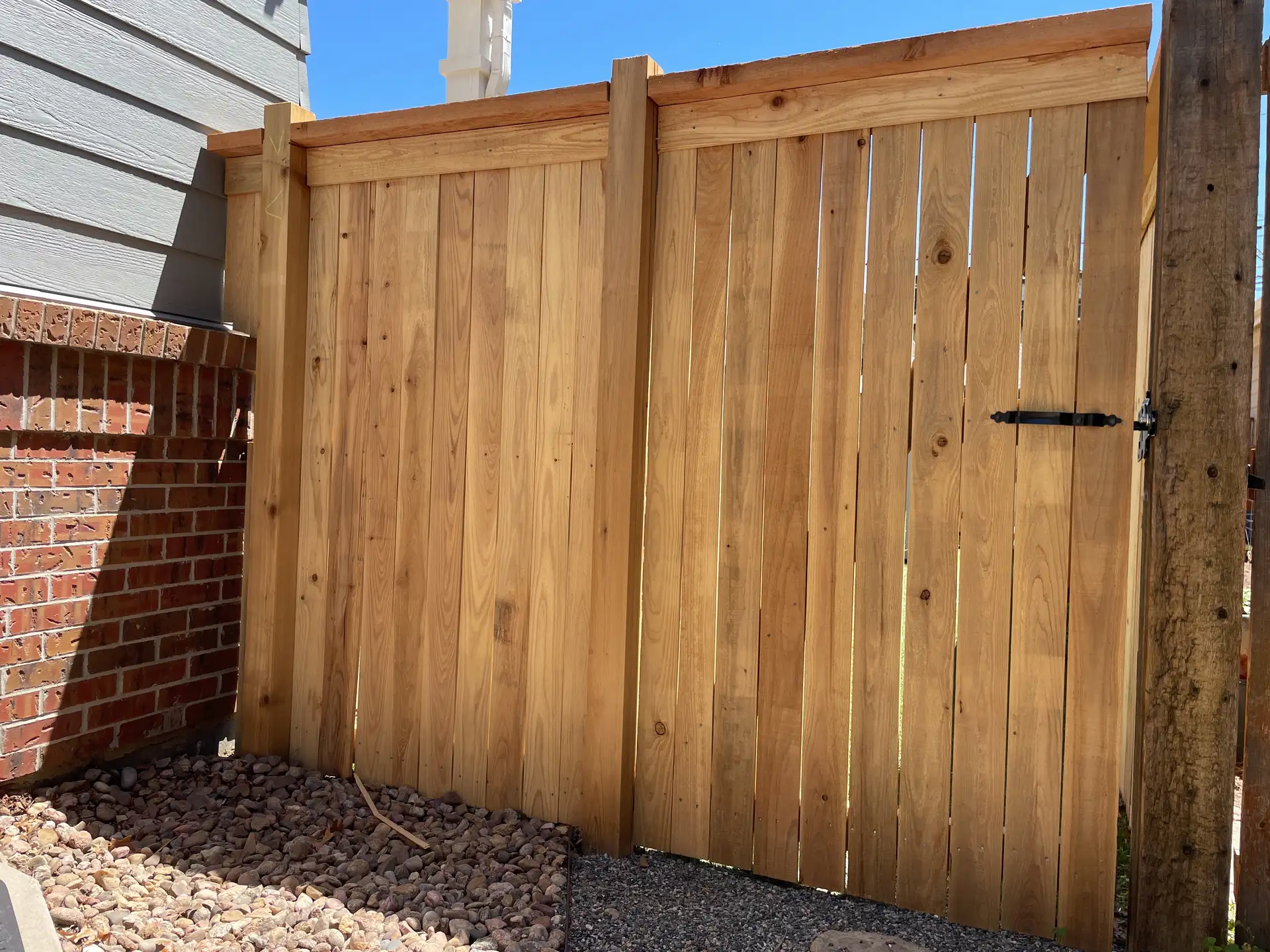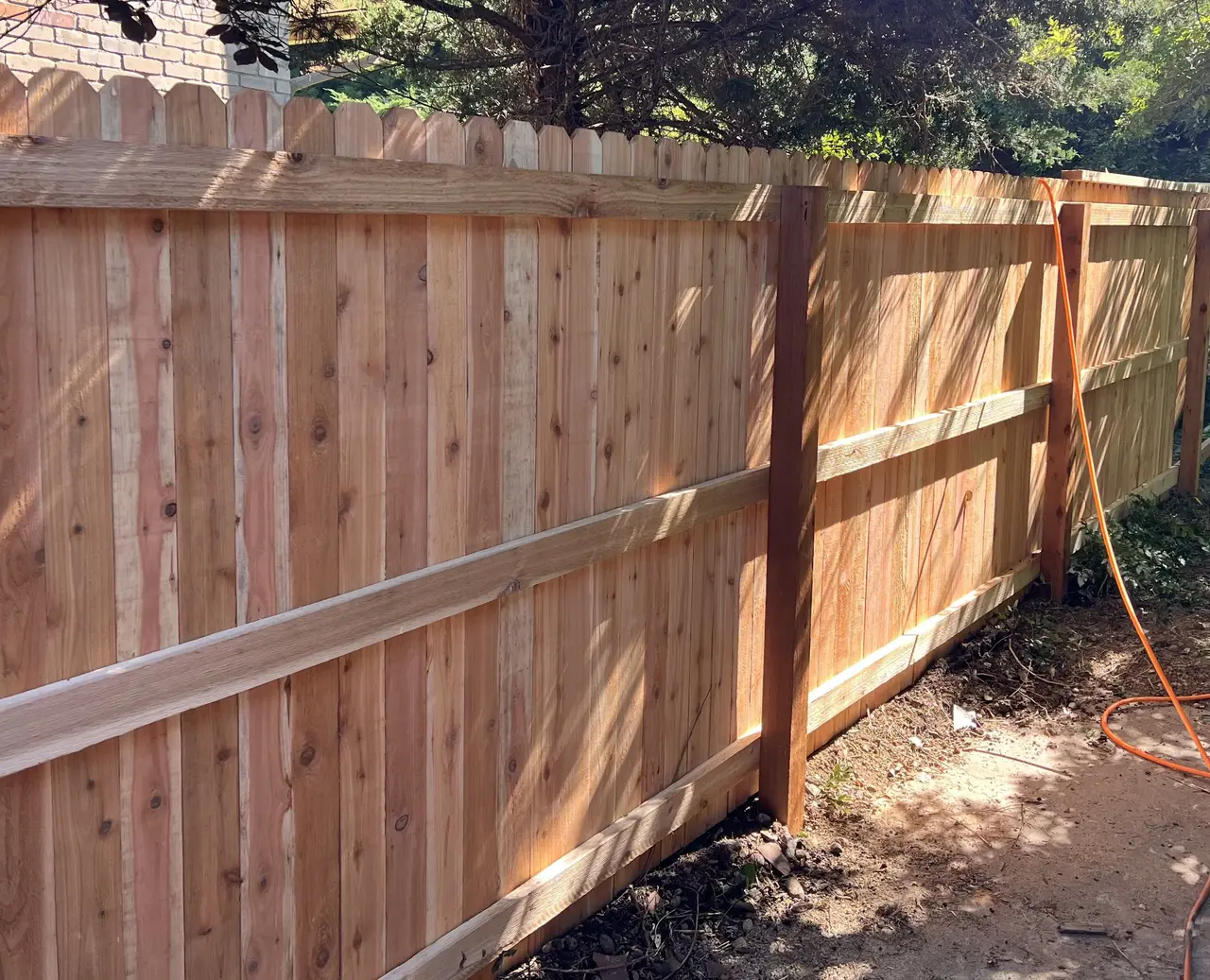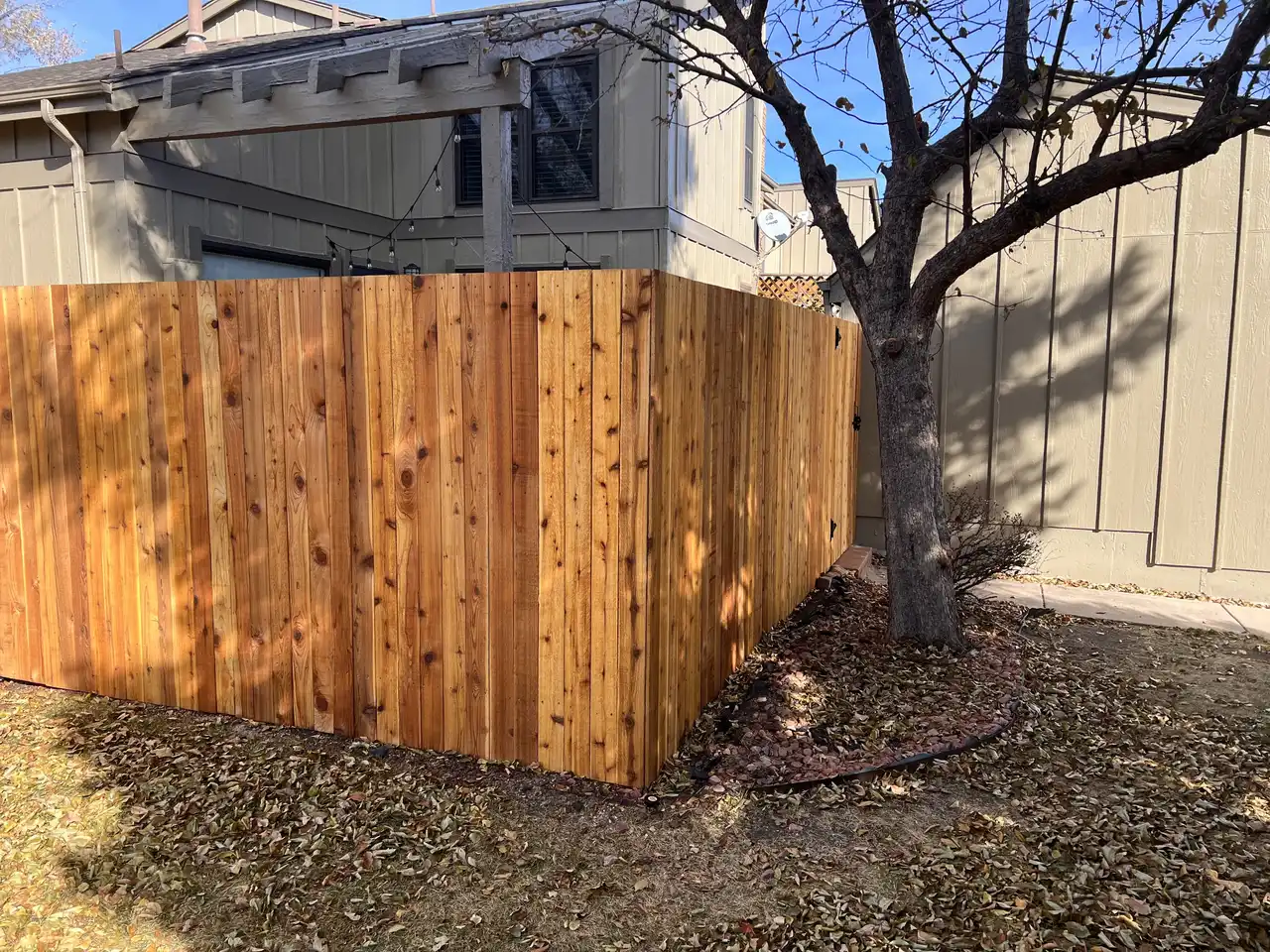
Wind is the test every Front Range fence takes, and it takes it many times a year.
No fence is wind proof. Some give the wind less to push on, and some are built so the push goes into the ground instead of the panels. The best fence for a windy lot does both.
How windy does the Front Range get?
A 21 year study at the National Renewable Energy Laboratory's Flatirons Campus counted 1,172 downslope windstorms near Boulder. That is about 56 a year, with the peak in January.
The National Weather Service office in Boulder documented the downslope windstorm of 30 December 2021. A University of Colorado summary of that day reports a 115 mph gust in Arvada.
Those readings come from the foothills side of the metro. We do not have a station record for every south metro neighborhood, so we will not put a gust number on your street.
Why do solid fences fail first?
A solid panel stops the air, so the full force lands on the fence. The pickets pass that force to the rails, the rails pass it to the posts, and the posts pass it to the soil.
The weakest link goes first. Most often that is a wood post rotted at ground level or a footing that was too shallow from the start.
Height multiplies the load. Each extra foot of solid fence adds area for the wind to push and a longer lever on the post.
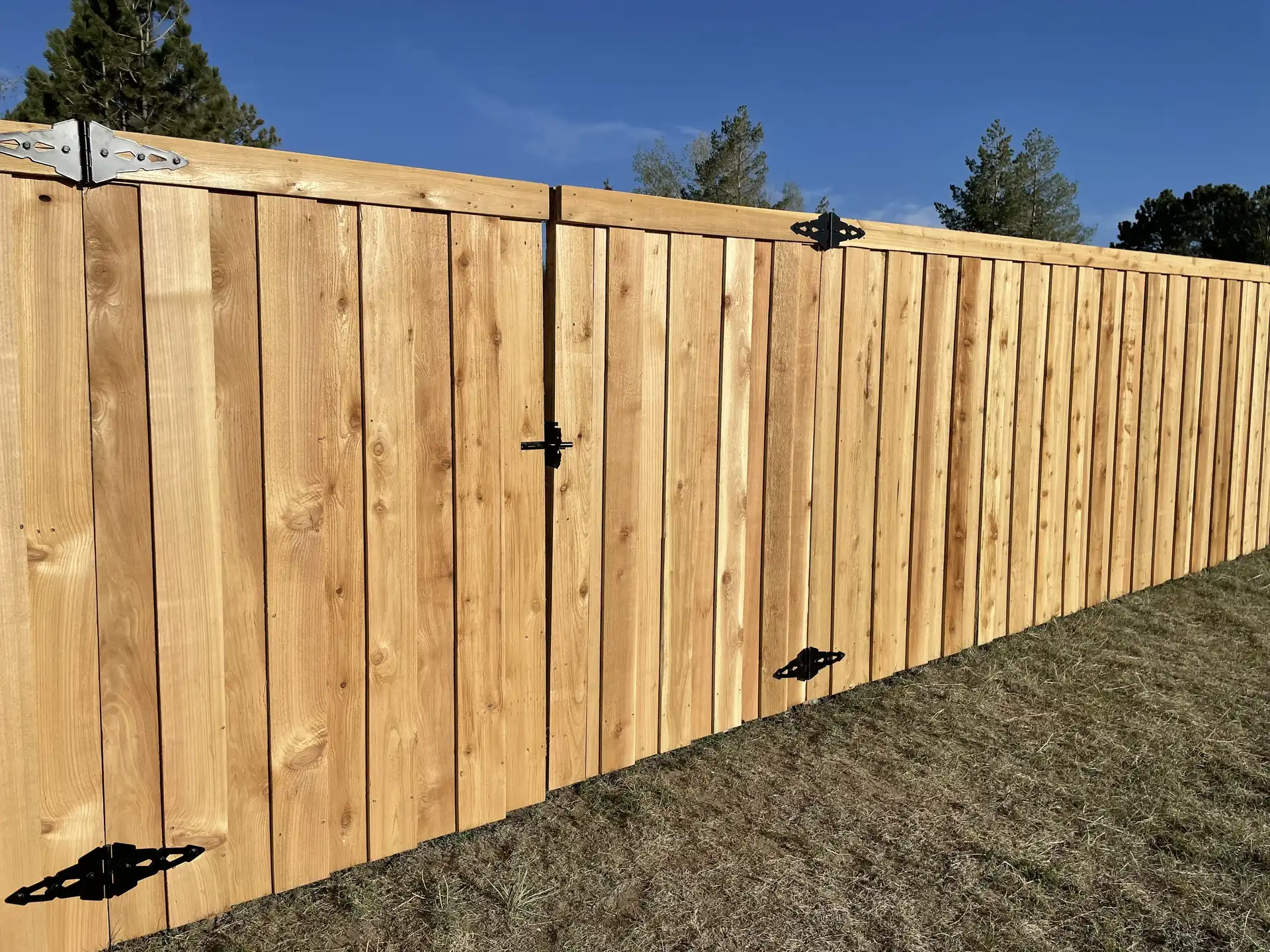
Which fence styles let the wind through?
Open designs shed wind because air passes between the parts. Ornamental metal is the clearest case, and we install wrought iron, steel and aluminum.
Chain link works the same way until privacy slats or screens go on. Covered chain link catches wind like a solid fence and needs posts to match.
Split rail, 3 rail ranch and hog wire fences are almost all open space. They mark a line and hold animals while the view and the wind pass straight through.
In cedar, spaced picket is the open style among the 7 we build. A horizontal fence with small gaps between the boards lets some air through as well.
Open styles trade privacy for stability. Many yards mix the two, with a solid run by the patio and an open run where the view matters.
Can a privacy fence stand up to wind?
Yes, if the structure is sized for it. Privacy is the reason many families want a fence, so giving it up is not the answer.
Depth comes first. Regal sets fence posts 24 to 36 inches deep, and a taller or more solid fence needs more of the post below ground. Frost and swelling clay also work on the soil around every post.
Posts come second. Steel posts do not rot at ground level, which is where wood posts tend to snap in a storm.
One of our reviewers, Tim D., wrote, "We went back with the metal posts instead of 4x4 cedar posts." Ask about our free steel posts.
Spacing comes third. Posts set closer together each carry less panel, and an extra rail keeps tall pickets from flexing.
How do vinyl, composite and precast compare?
Vinyl and composite privacy panels are solid, so they take the same wind as solid wood. How they do in a storm depends on the posts, the footings and the maker's own design.
We do not quote a wind rating for any product from memory. If a rating matters to you, ask for the manufacturer's figure in writing before you choose.
Precast concrete is the heavy option. In our own words, these are "tall, quiet and permanent walls along busy roads."
Why do gates fail before the fence does?
A gate is a solid panel hung from one side. Wind works the hinges, the latch and the hinge post with every gust.
Wide double gates take the most abuse. A drop rod into the ground and a latch that holds both leaves keep them from swinging free.
Keep gates latched when wind is in the forecast. An unlatched gate can slam until its post works loose.
Do height rules limit a wind resistant design?
They can. Going taller for privacy adds wind load, and it can trigger a permit.
Aurora's DIY Home Improvement Handbook requires a permit only above 7 feet. The Town of Parker and Douglas County each require one over 6 feet.
HOAs narrow the choices further. In Highlands Ranch, the HRCA Residential Improvement Guidelines call for solid fences of 5 or 6 feet in rough sawn cedar with a top cap.
Where the style is fixed like that, the wind answer has to come from the posts and the footings.
How do we size a fence for your lot?
Exposure differs from one yard to the next. A lot that backs to open space or sits on a rise takes more wind than one sheltered by houses and trees.
In our own words, "we spend more time looking at the yard." On a windy lot that means asking where the old fence failed and which runs face the open side.
Bring up any section that has failed before. A fence tends to break in the same place twice, and that spot shows where to add strength.
The estimate is free and on site, with a written price, usually the same day. Most installs take 1 to 2 days.