A chain link fence does its job well. It marks the property line, keeps pets in and adds security for less than wood or vinyl. The part most owners want to change is how much people can see through it.
The right fix depends on how much coverage you want, how long it needs to last and how much you want the fence to improve the look of the yard. For some yards a simple screen is enough. For others it makes more sense to add slats, plant along the line or replace a section.
What should you check before choosing a chain link privacy option?
Start with the frame. If the posts are loose, the rails are bent or the mesh is rusting out, privacy material adds strain to a fence that is already near the end of its life. Screens and slats catch more wind than bare chain link, so a weak fence can turn into a repair call after the first big storm.
Next, name the real goal. Blocking a neighbor's view into the yard is a different job from hiding a pool pump, a trash enclosure, a dog run or a storage area. Partial coverage often looks cleaner and still makes the space feel private.
Appearance matters too. A privacy add on can improve the fence or make it look temporary. If curb appeal matters, pick something that looks intentional from both sides of the property line.
Which chain link fence privacy options work well?
Privacy slats are the most common upgrade. These narrow inserts slide through the mesh vertically or diagonally, and some have a winged shape that closes the gaps further. They stay in place better than fabric, come in several colors and look like part of the fence.
Slats do not give total privacy. Expect moderate to high blockage, not a solid wall. They also change the look of the fence more than some owners expect.
Mesh privacy screens tie to the fence in large panels. This is often the fastest way to get coverage without replacing anything, and it suits backyards, side yards, pet areas and commercial service areas. The caution is wind, because a screen on a long run with no breaks acts almost like a sail.
Lower quality screens can fade, tear or stretch over time. On a windy property, the screen grade and the way it is attached make a big difference.
Faux greenery panels soften the look of chain link along a patio edge, a courtyard or a shared boundary. Quality varies a lot, and some products look artificial quickly under strong sun. Treat them as an accent, not the answer for a long perimeter fence.
Natural landscaping is one of the best options if you can wait. Shrubs, hedges and climbing vines screen views while the chain link stays in the background. Plants need water, trimming and room to grow, and some vines trap moisture against the fence or overtake the mesh.
In Colorado, plant choice decides whether you get privacy all year. Evergreens screen in winter and deciduous plants do not.
Bamboo, reed and other roll screening ties on fast and looks warmer than plain mesh. It works best in small areas such as a patio, a hot tub corner or a trash enclosure. On a long fence line it can age unevenly and look worn sooner than slats or a quality screen.
When is a privacy upgrade better than replacing the fence?
A privacy add on makes sense when the chain link is structurally sound and the only problem is visibility. If the framework is solid, slats or a screen improve the yard without starting over.
This is often the right move for pet owners, side yard separations, utility enclosures and commercial spaces where security matters more than style. It also works when you need privacy now and plan a full replacement later.
When does replacing chain link make more sense?
Sometimes another add on is the wrong investment. If the fence is leaning, rusted, loosely tied together or patched in several places, privacy material only delays the obvious. The same is true if you want full backyard privacy and a major change in how the yard looks.
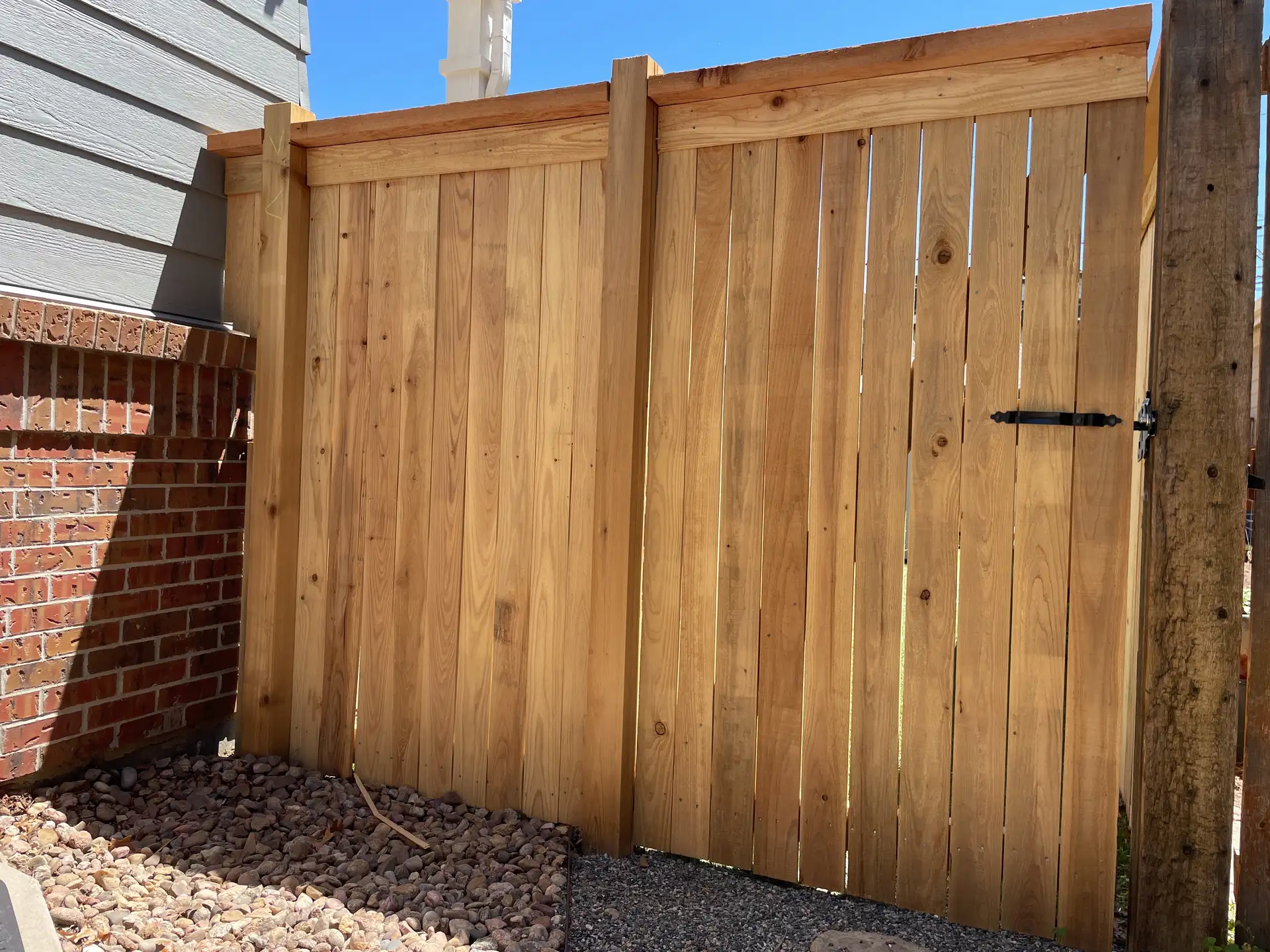
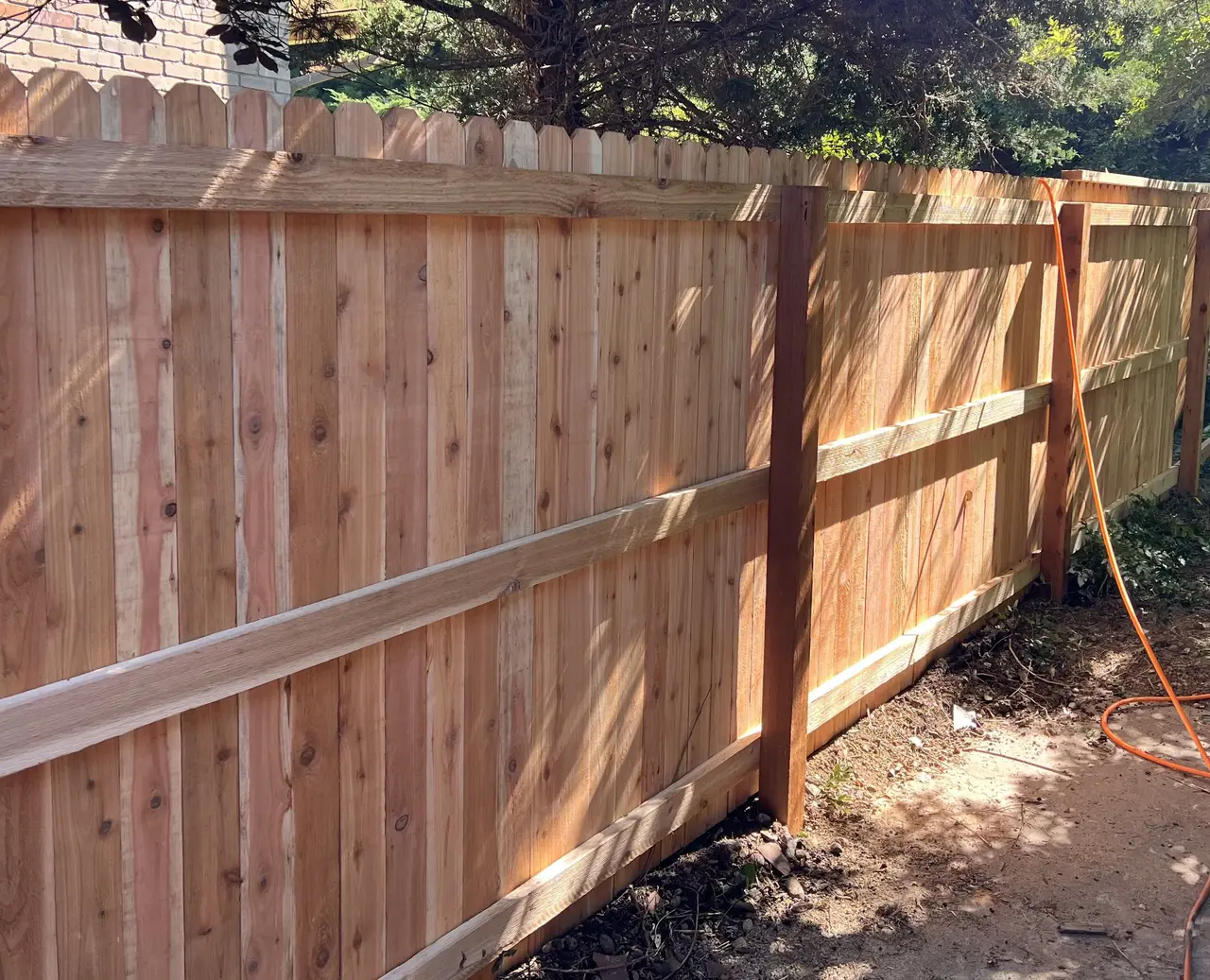
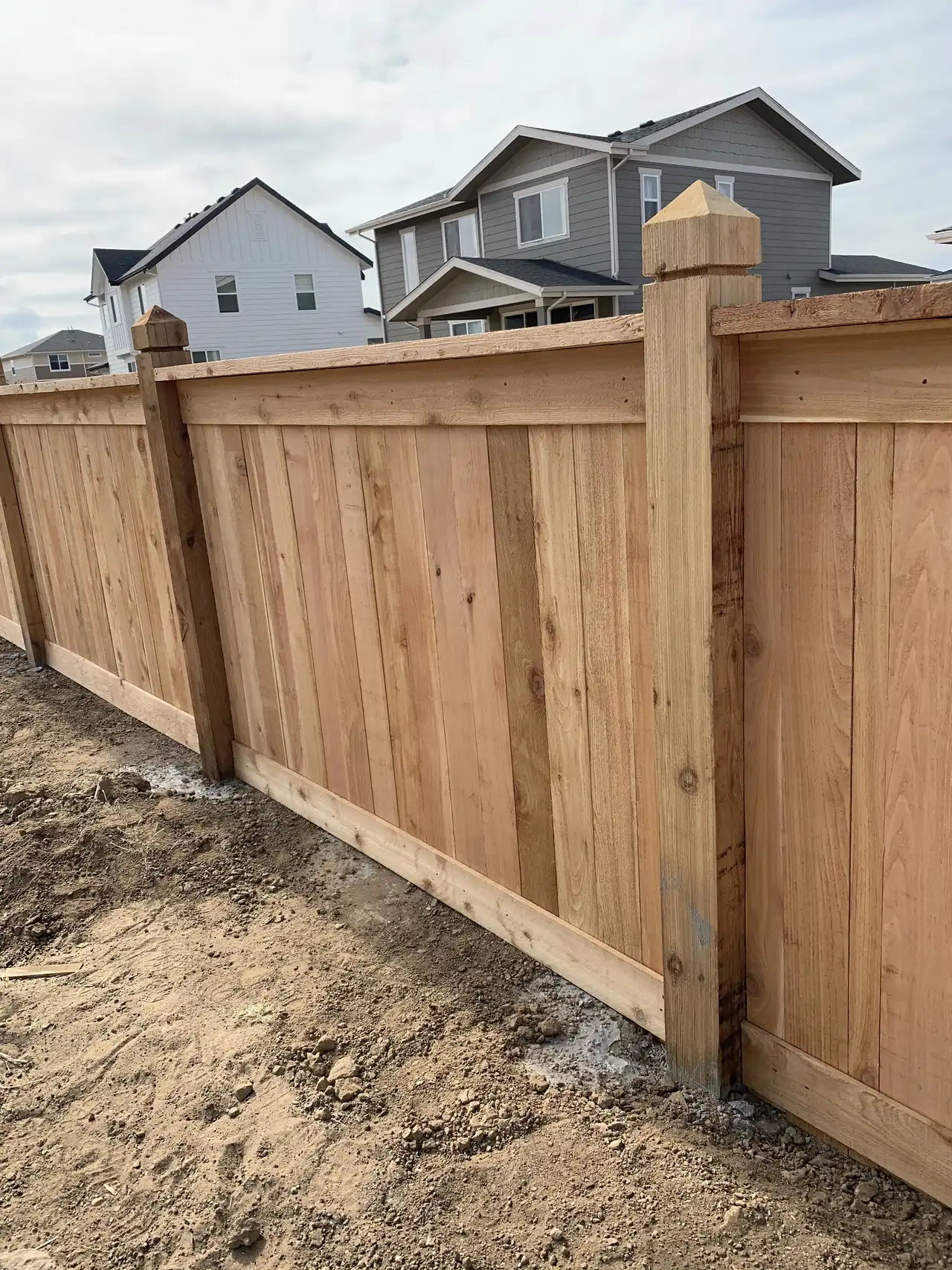
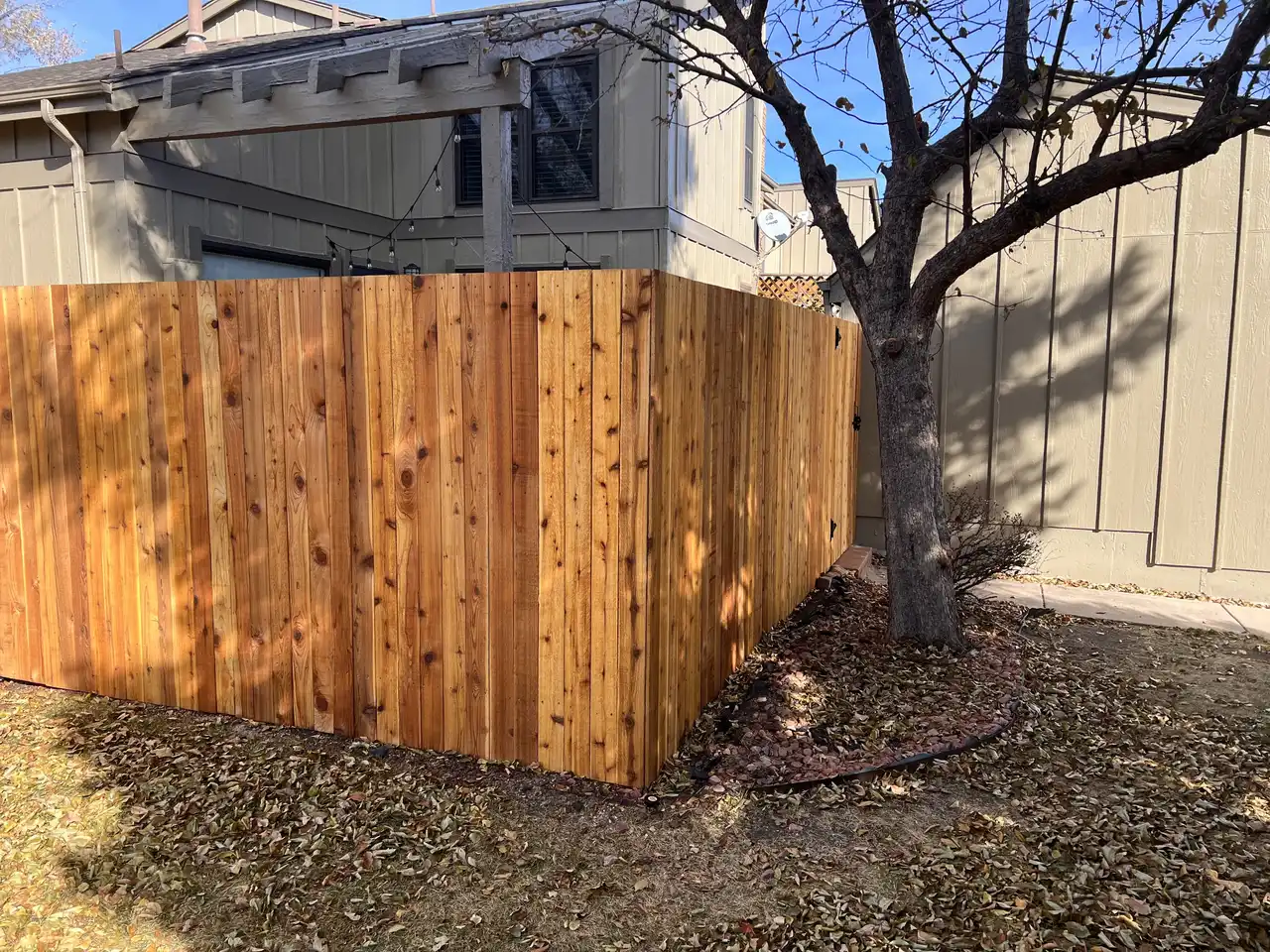
A wood privacy fence, a vinyl privacy fence or a custom design gives what chain link rarely can: complete screening and a finished backyard. If you are already spending money on appearance, ask whether that budget should go toward the replacement.
For many homeowners it comes down to lifespan. A screen on an older chain link fence may help for a few more seasons. A well built replacement changes the space for much longer.
- Flat top
- Dog ear
- Board on board
- Spaced picket
- Horizontal
- Cap and trim
- Lattice top
How do you choose the right option for your property?
Ask three questions. How much privacy do you need? Is the current fence strong enough to carry the upgrade?
The third question is about looks. Do you want the fence to disappear into the background or become a better looking part of the property?
For simple coverage at the lowest upfront cost, a mesh screen may be enough. For a more durable, built in look, slats are often the better fit. If appearance leads, landscaping or decorative panels may give a better result, and if the fence is already failing, replacement is the smarter use of your money.
An estimate at the property helps here. A fix that looks fine online may not suit your fence height, wind exposure, neighborhood rules or plans for the yard. Regal Fencing gives free on site estimates with a written price, and the aim is to recommend the option that fits, not the biggest project.